


About an hour and a half east of Winnipeg, on the way to the Ontario border. Lakes, cabins, waterfalls and quiet — the kind of place you stop at for fifteen minutes and immediately start planning to come back to.
Update, August 2026: we came back — this time to the north end of the park, at Nutimik Lake, on a Friday straight after work. Prices, rules and closures below have all been updated.
We’ll be honest about how we know this park. The first visit was a quick stop at the end of a long day, in the rain. The second was a full July evening at the north end. Between them we’ve seen enough to be useful and nowhere near all of it, and we say which is which throughout. If you want the trip the first visit was part of, see our Kenora and Rushing River day trip.
How We Ended Up There
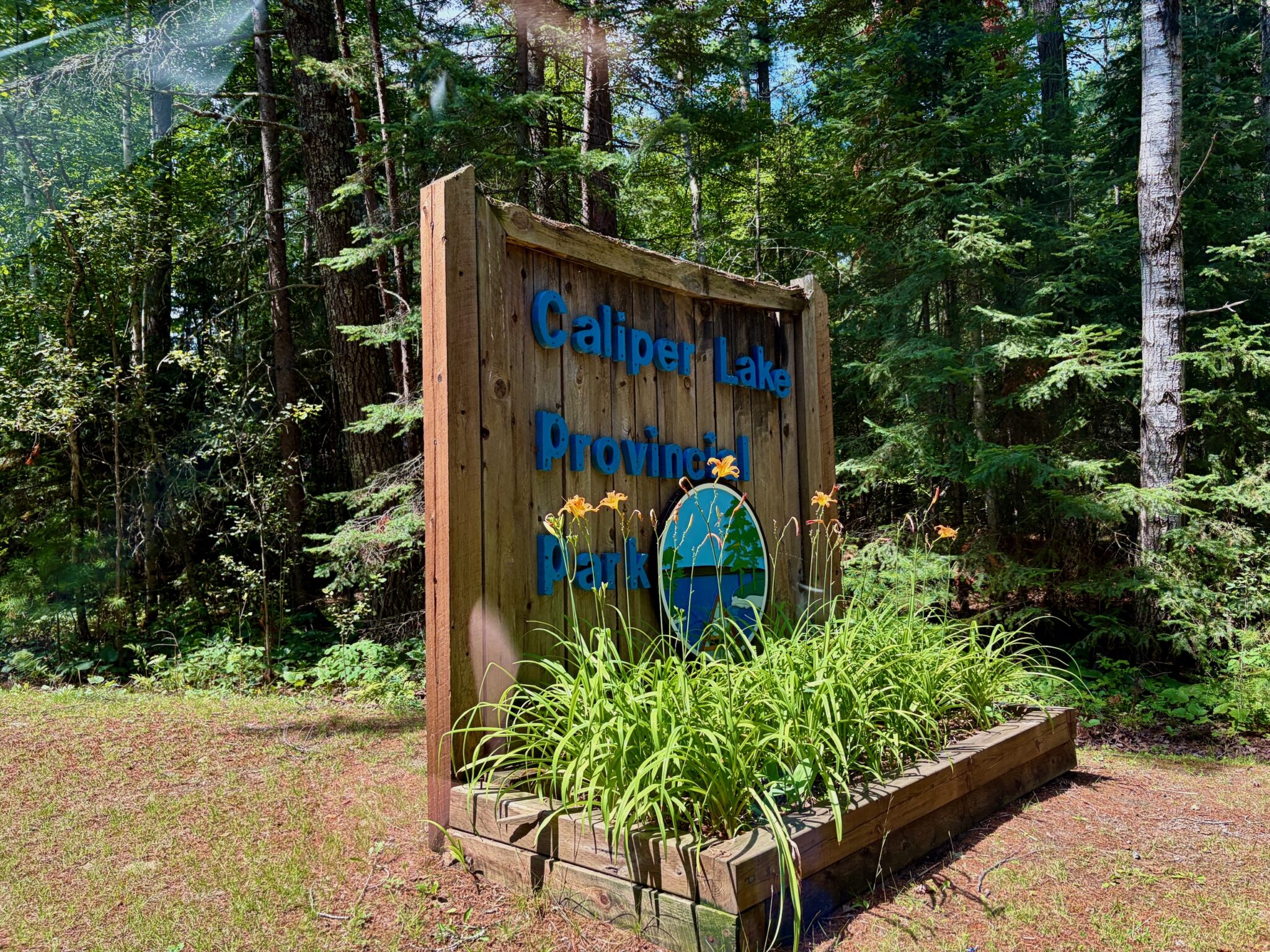
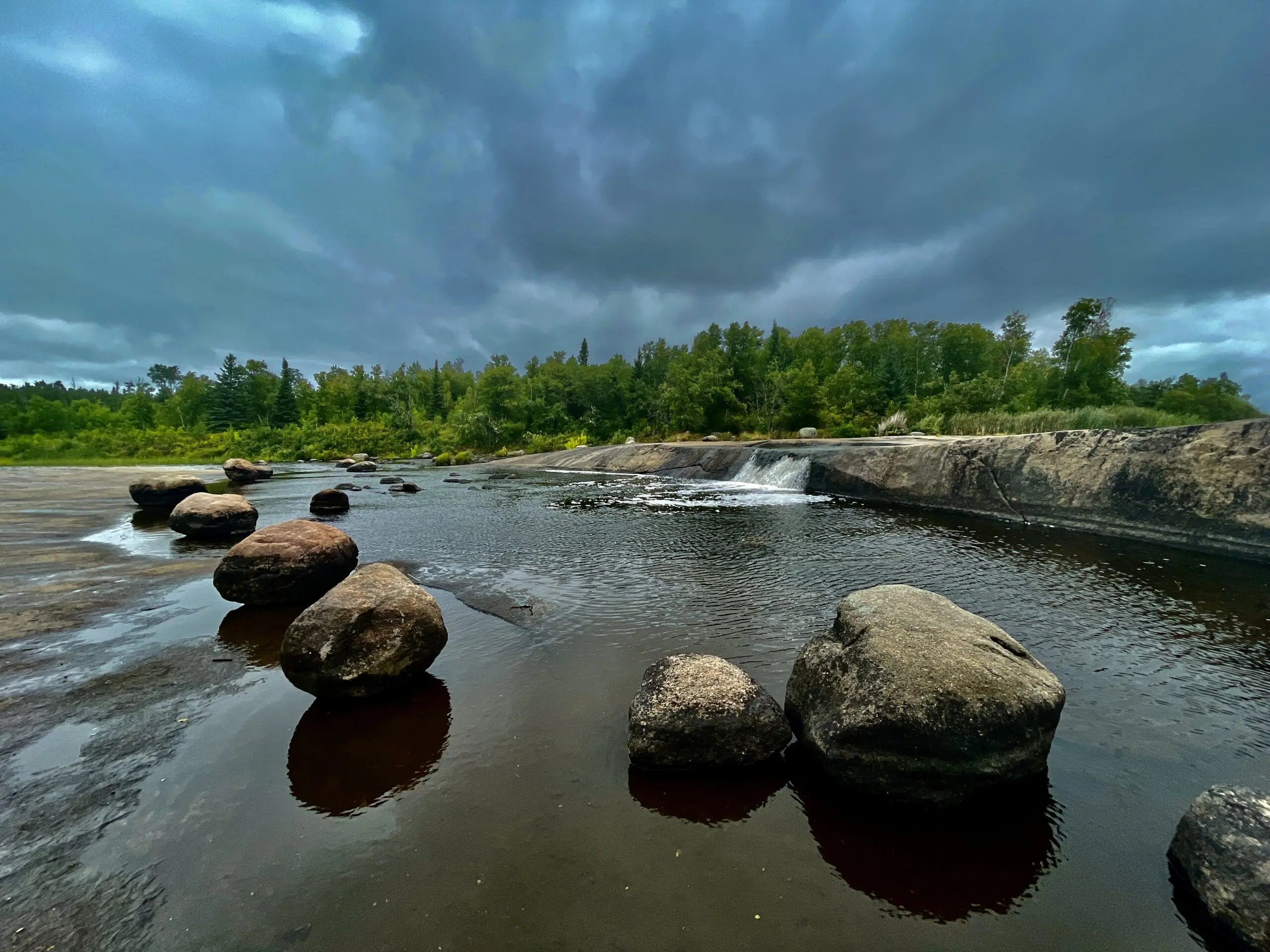
Whiteshell was the last stop on our way home from Kenora. By the time we reached it, the rain was starting and the light was fading, so we did not get to walk it the way it deserves. But even in fifteen minutes, it was beautiful — and that is really saying something at the end of a full day, in poor weather, when you are tired and ready to be home.
What We Saw in Fifteen Minutes
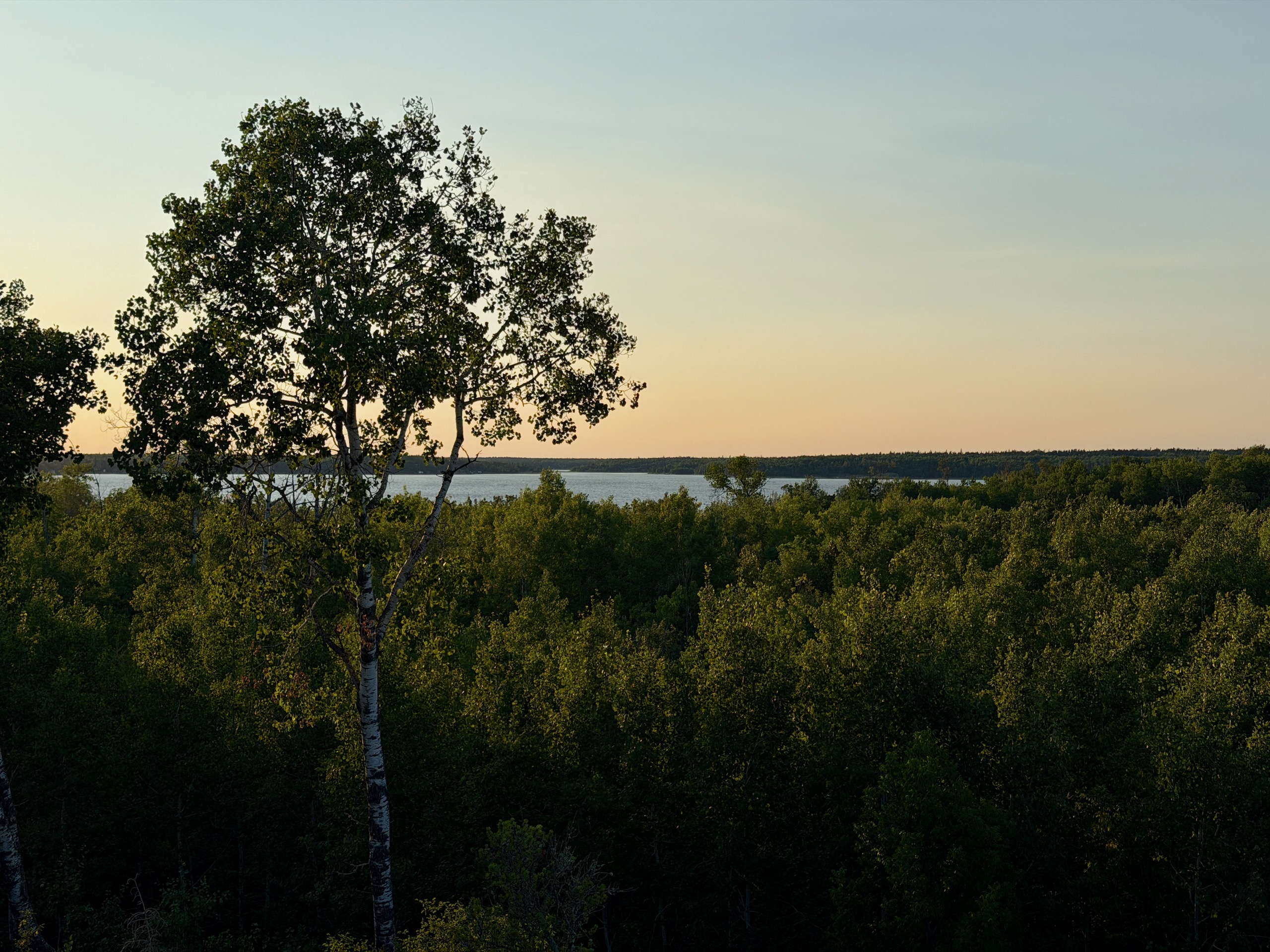
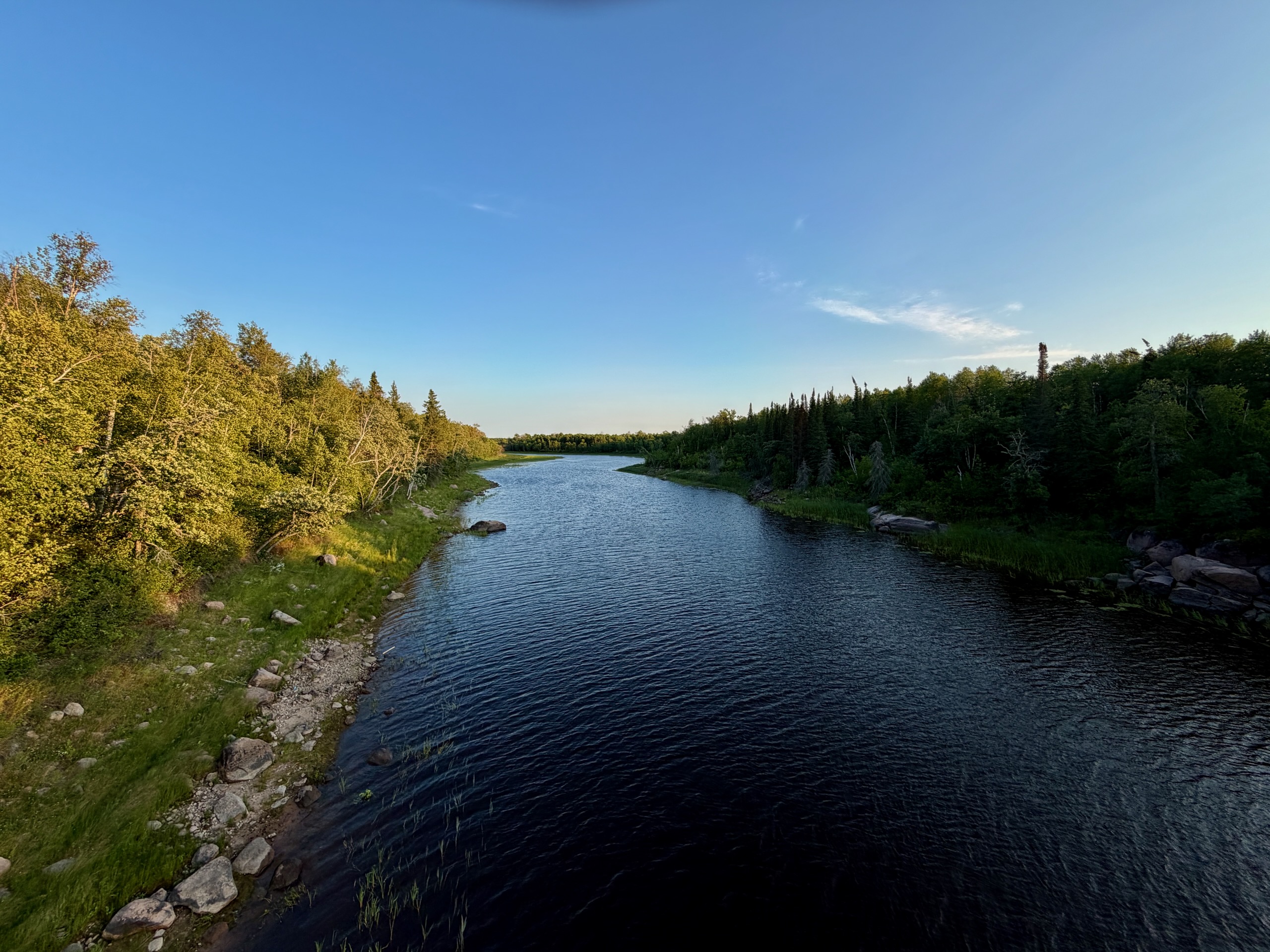
Cabins along the shore — a lot of them, and many that look like they are available to rent. Anglers out fishing. Small waterfalls you can walk right up to. And quiet. Real quiet — even quieter than Rushing River, which we had just come from.
It was enough to know we had only scratched the surface, and enough to know we were coming back.
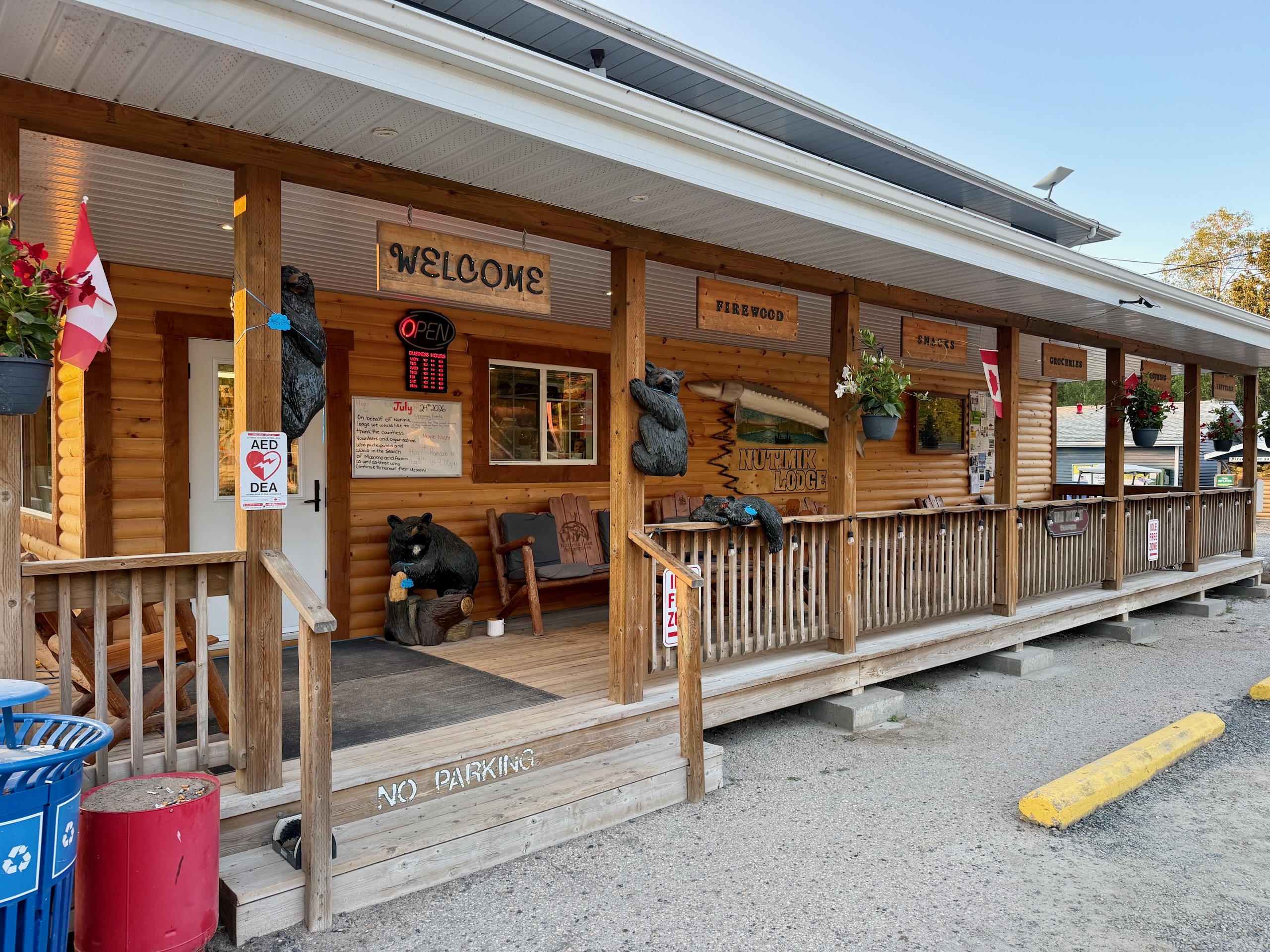
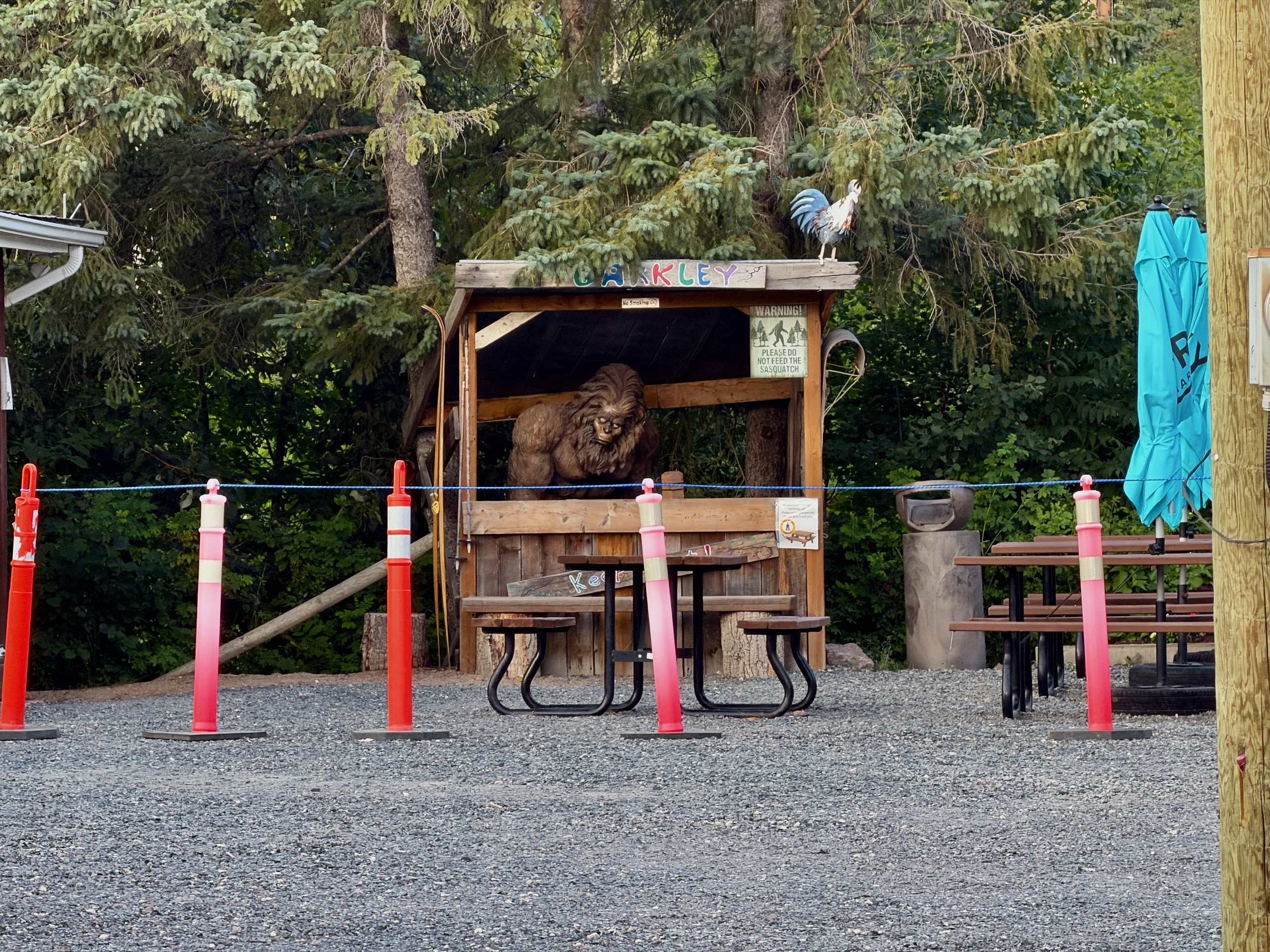
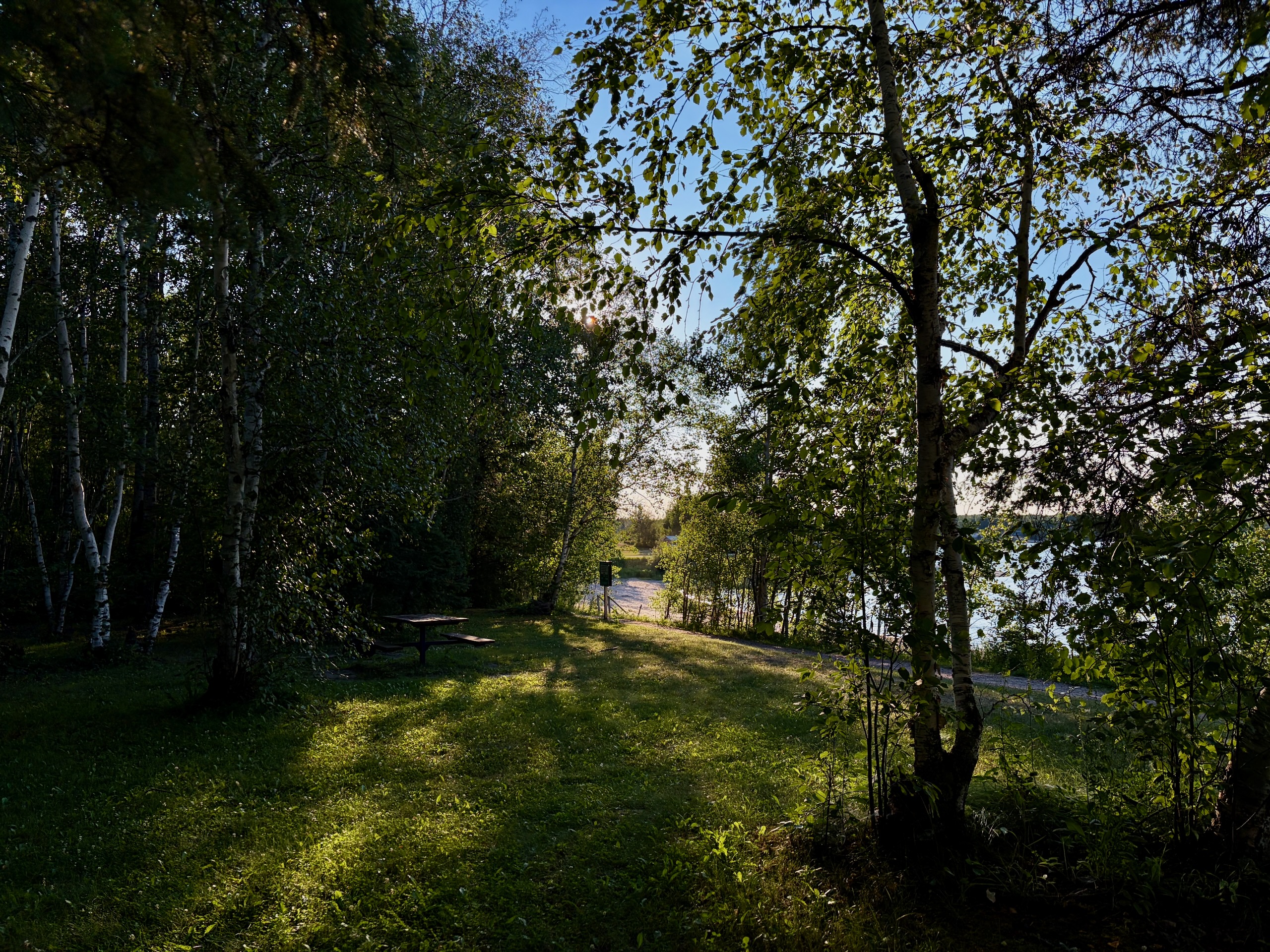
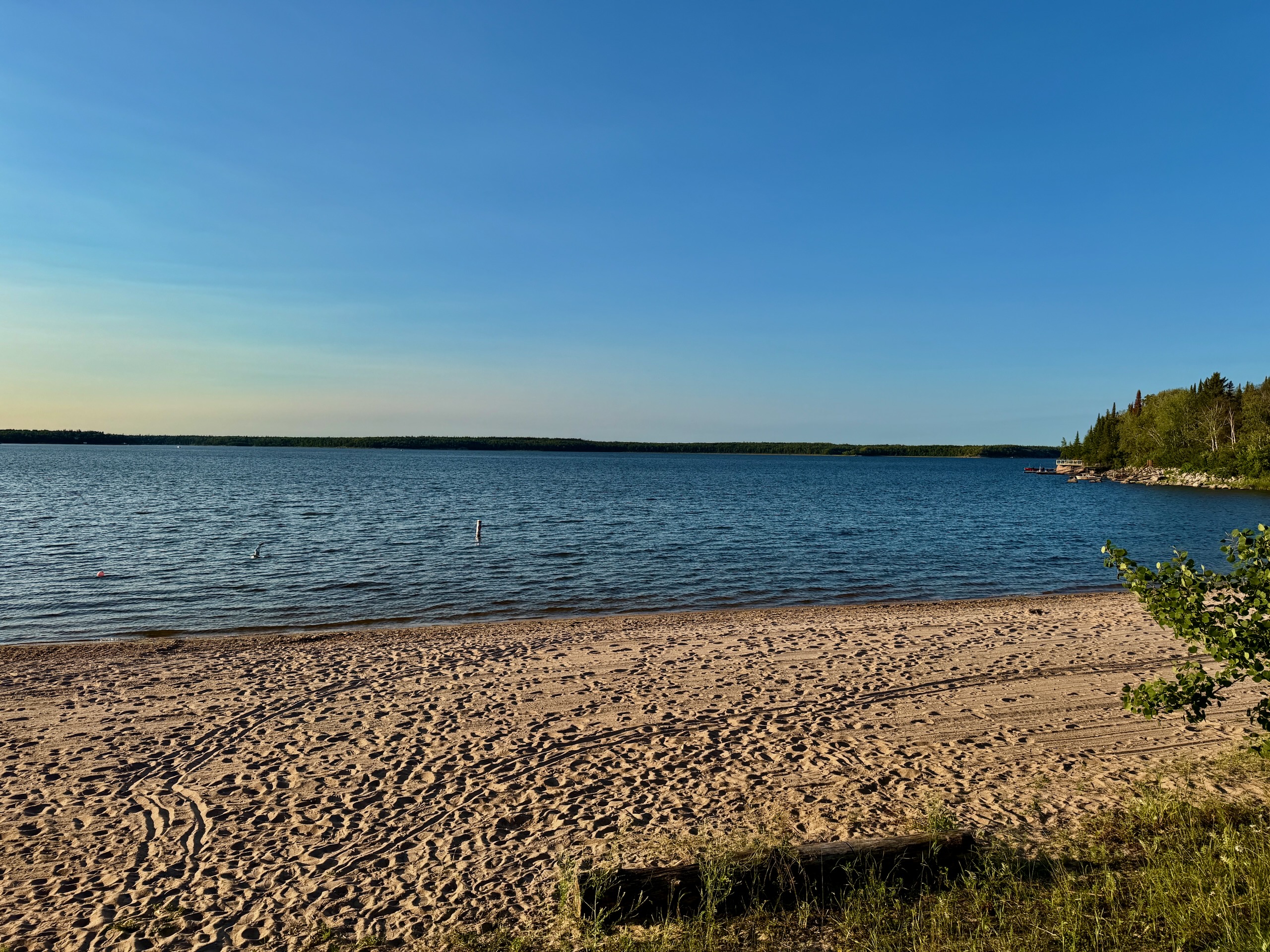
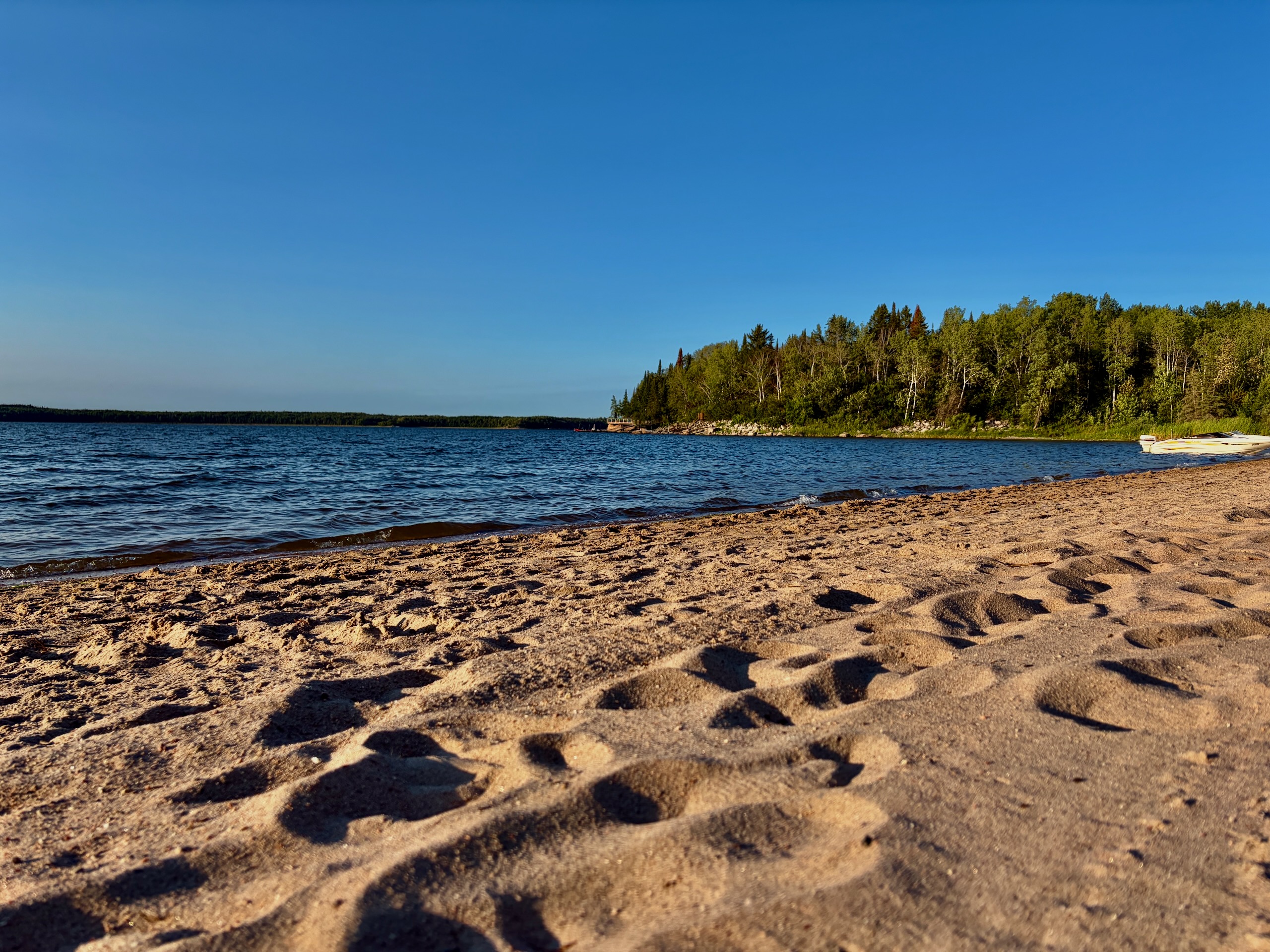
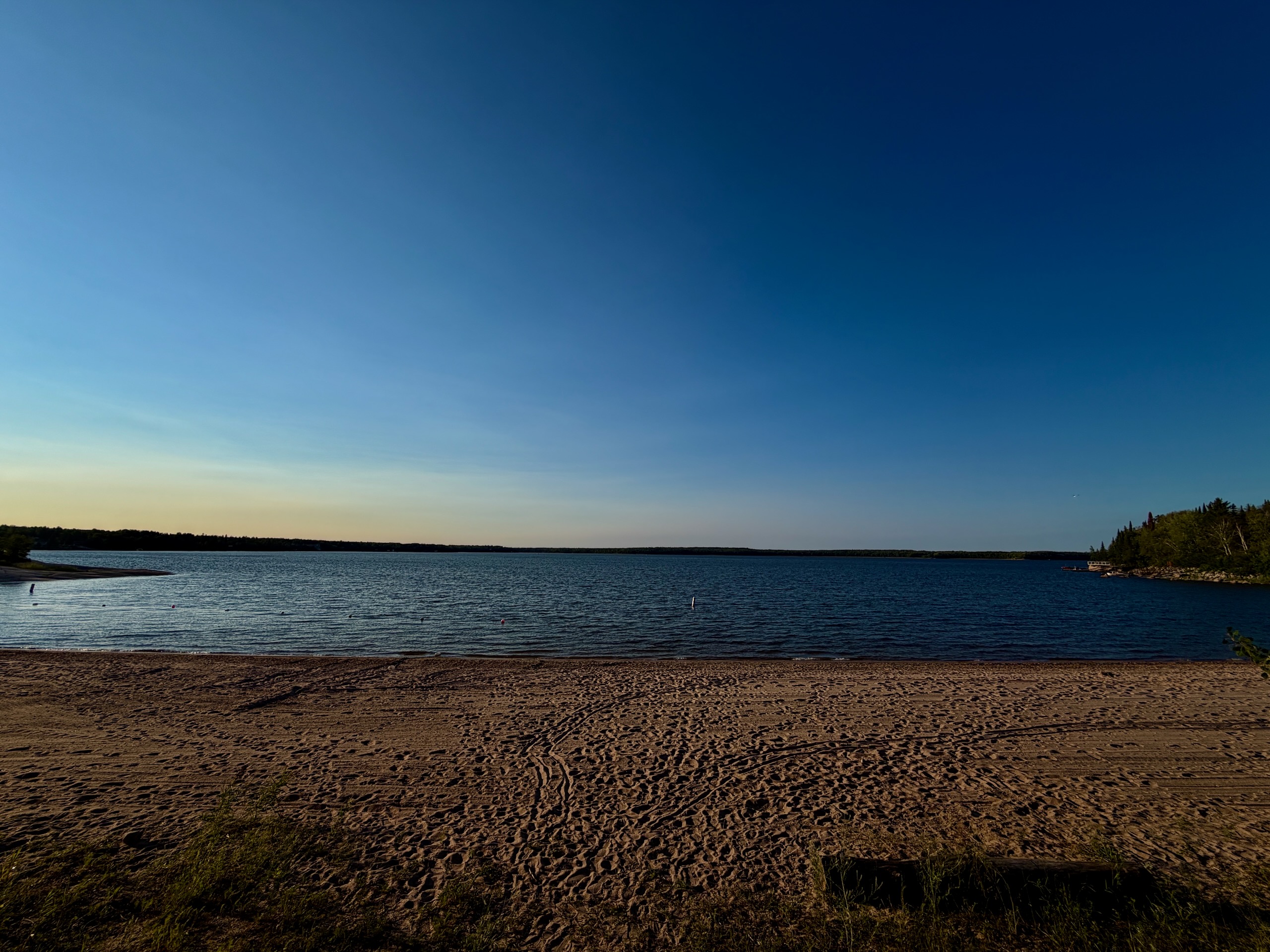
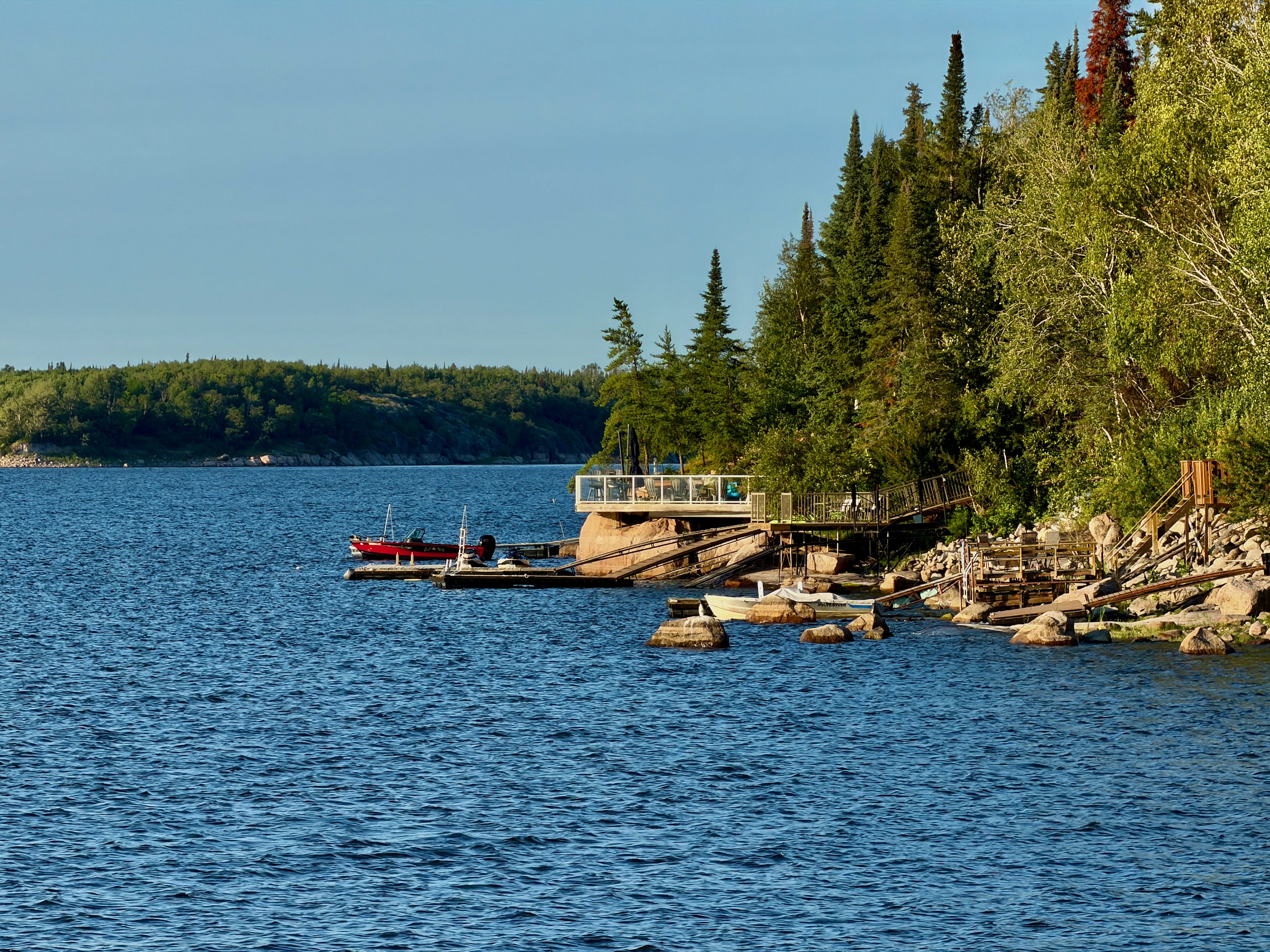
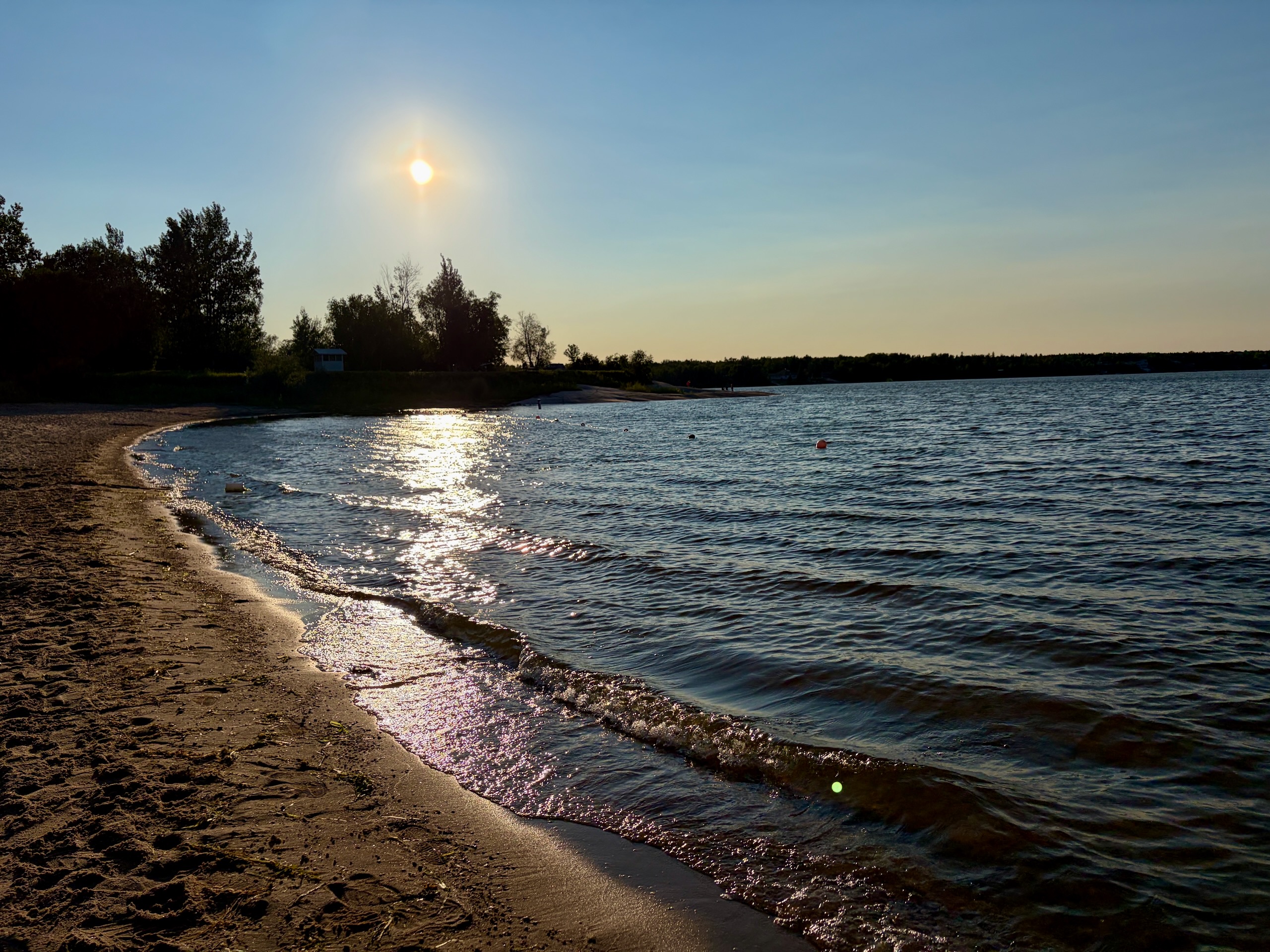
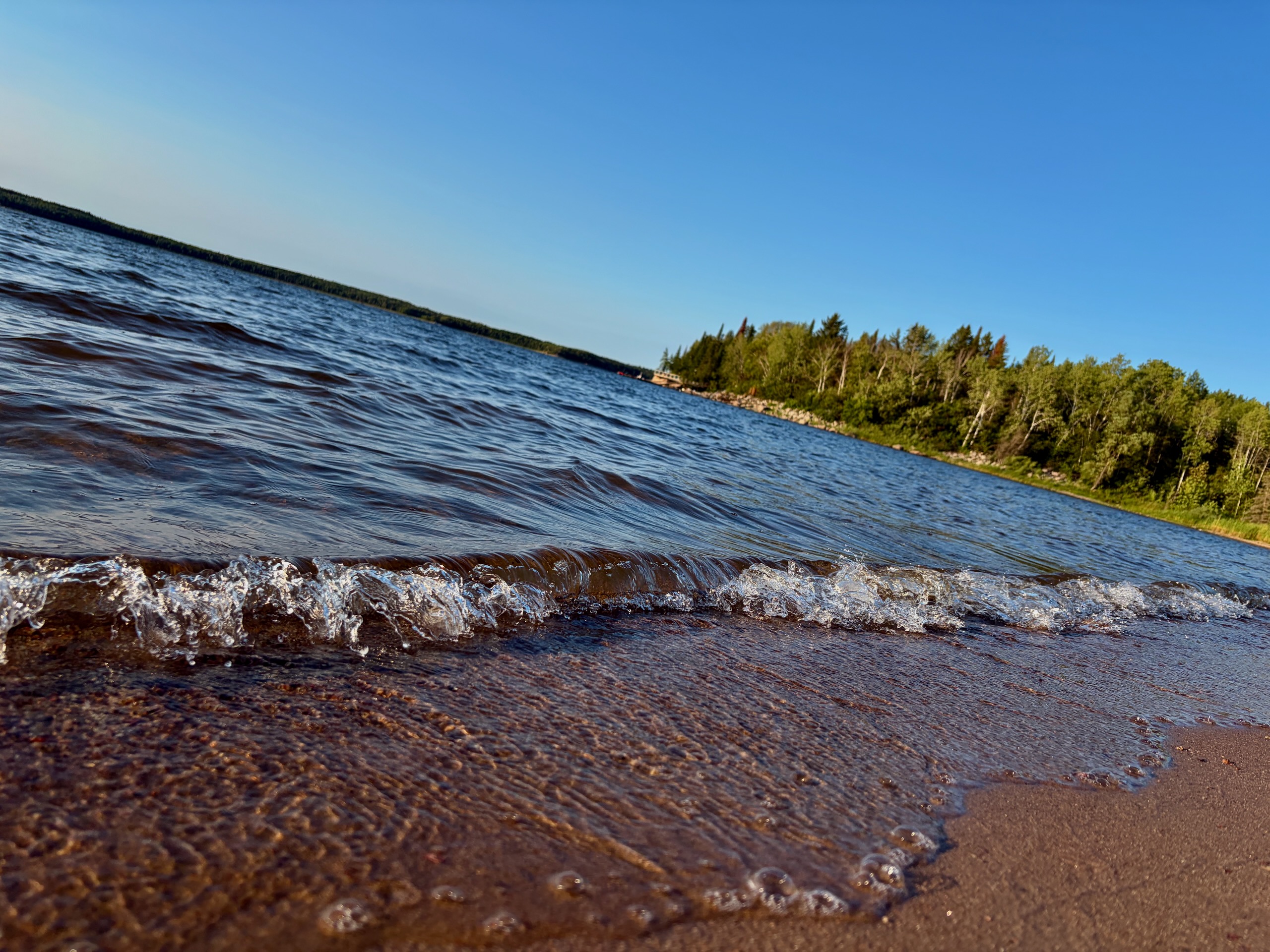
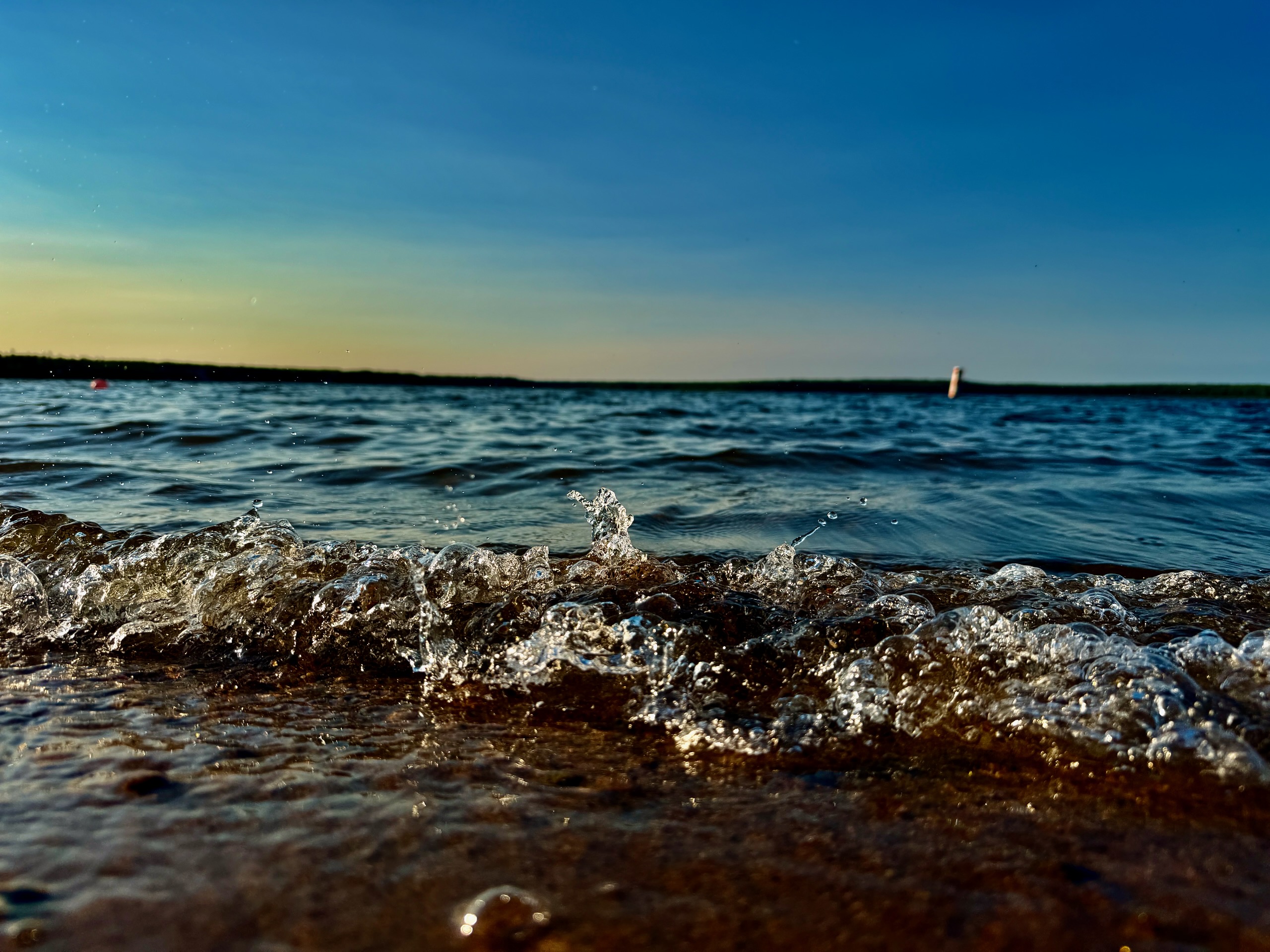
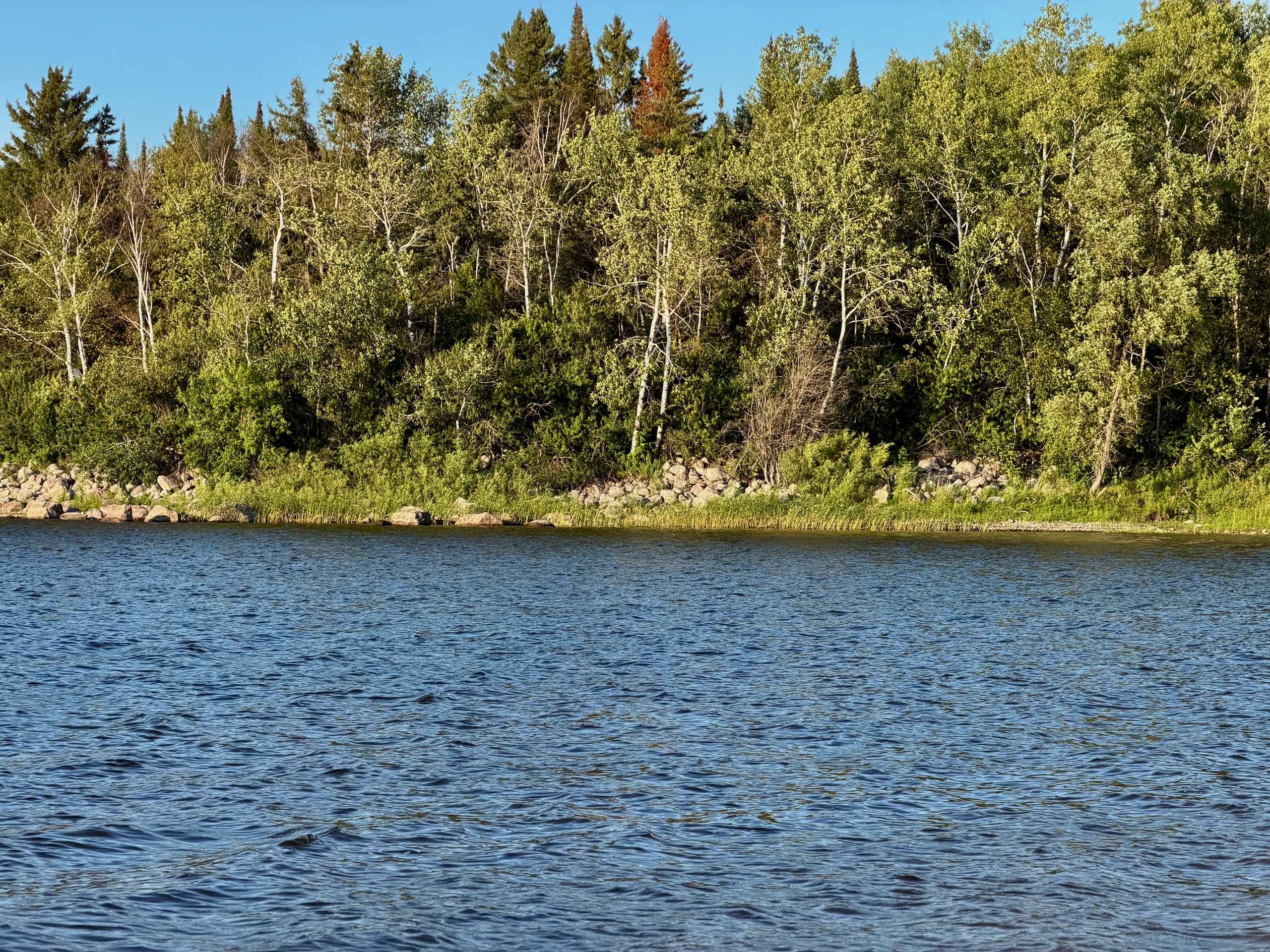
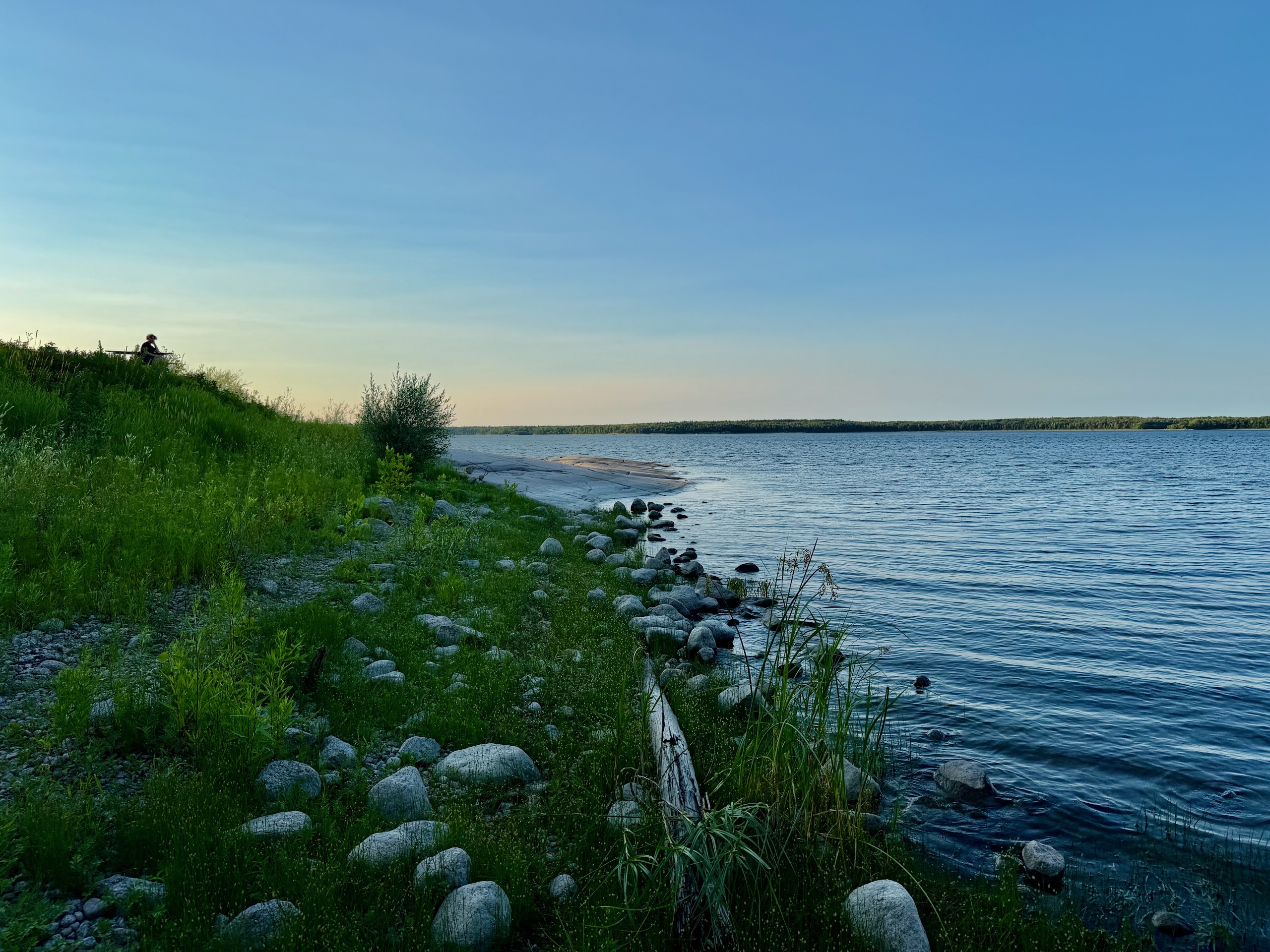
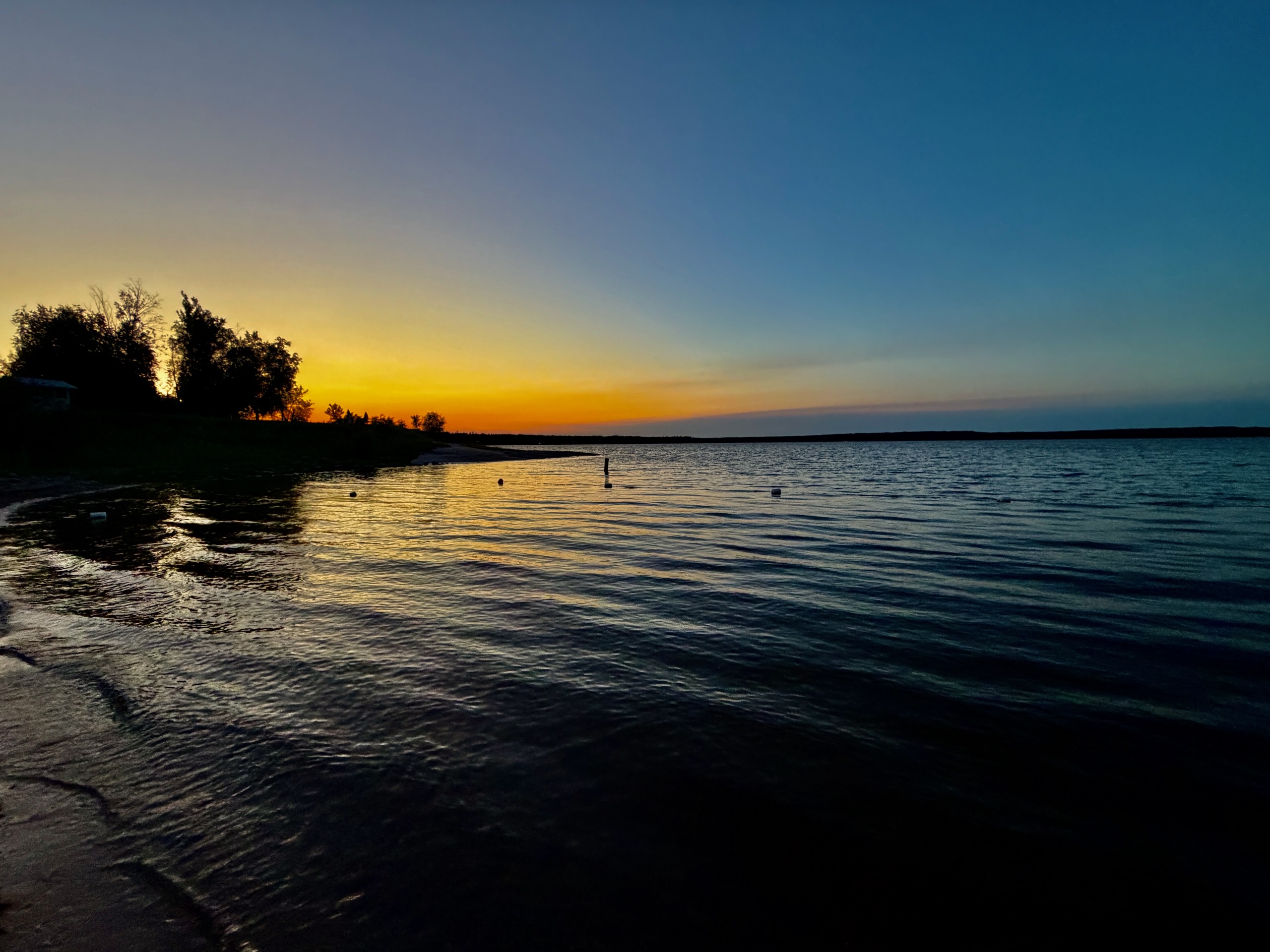
Coming Back: A Friday at Nutimik Lake
The second visit was a July Friday at the north end of the park, at Nutimik Lake.
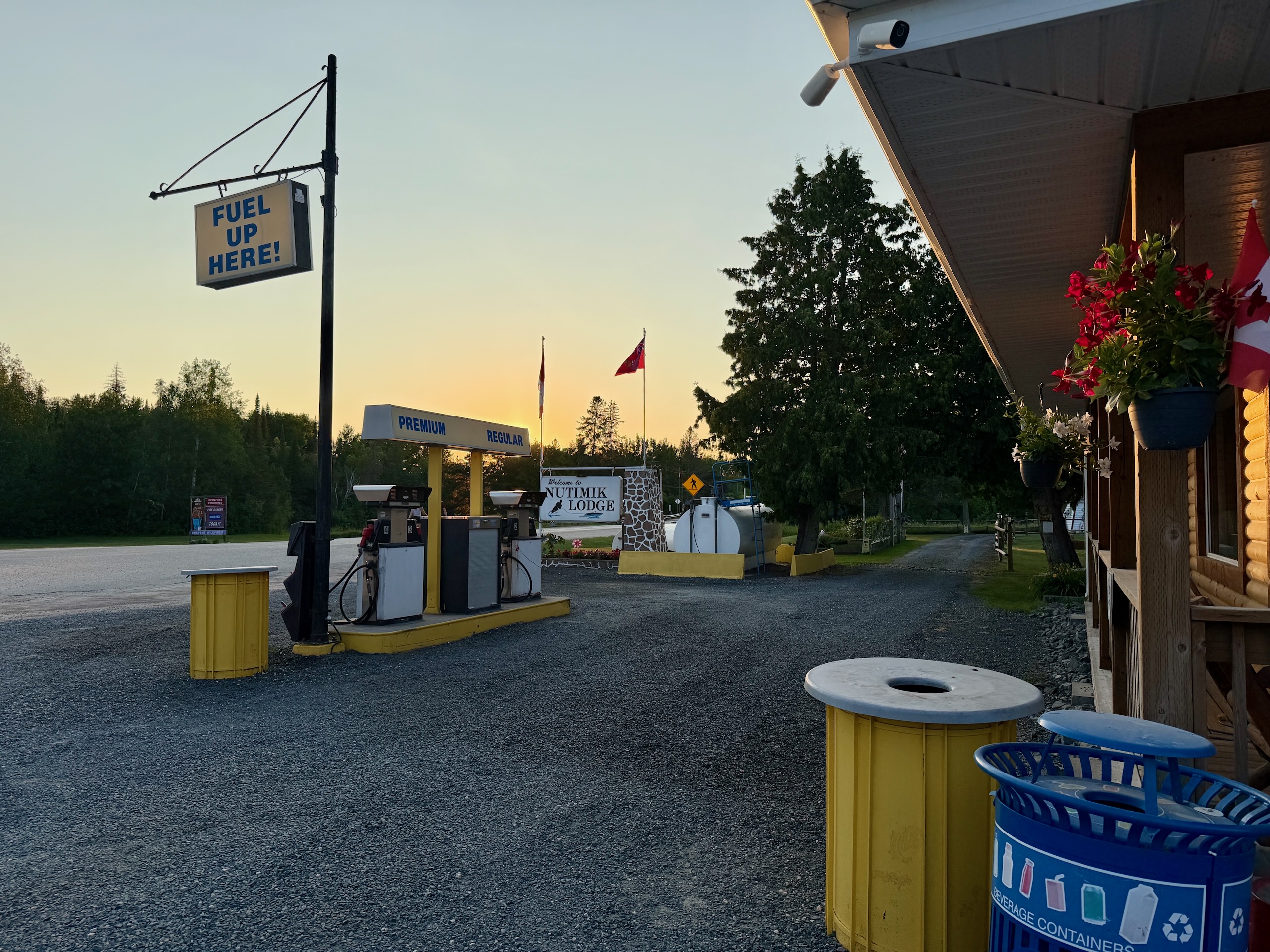
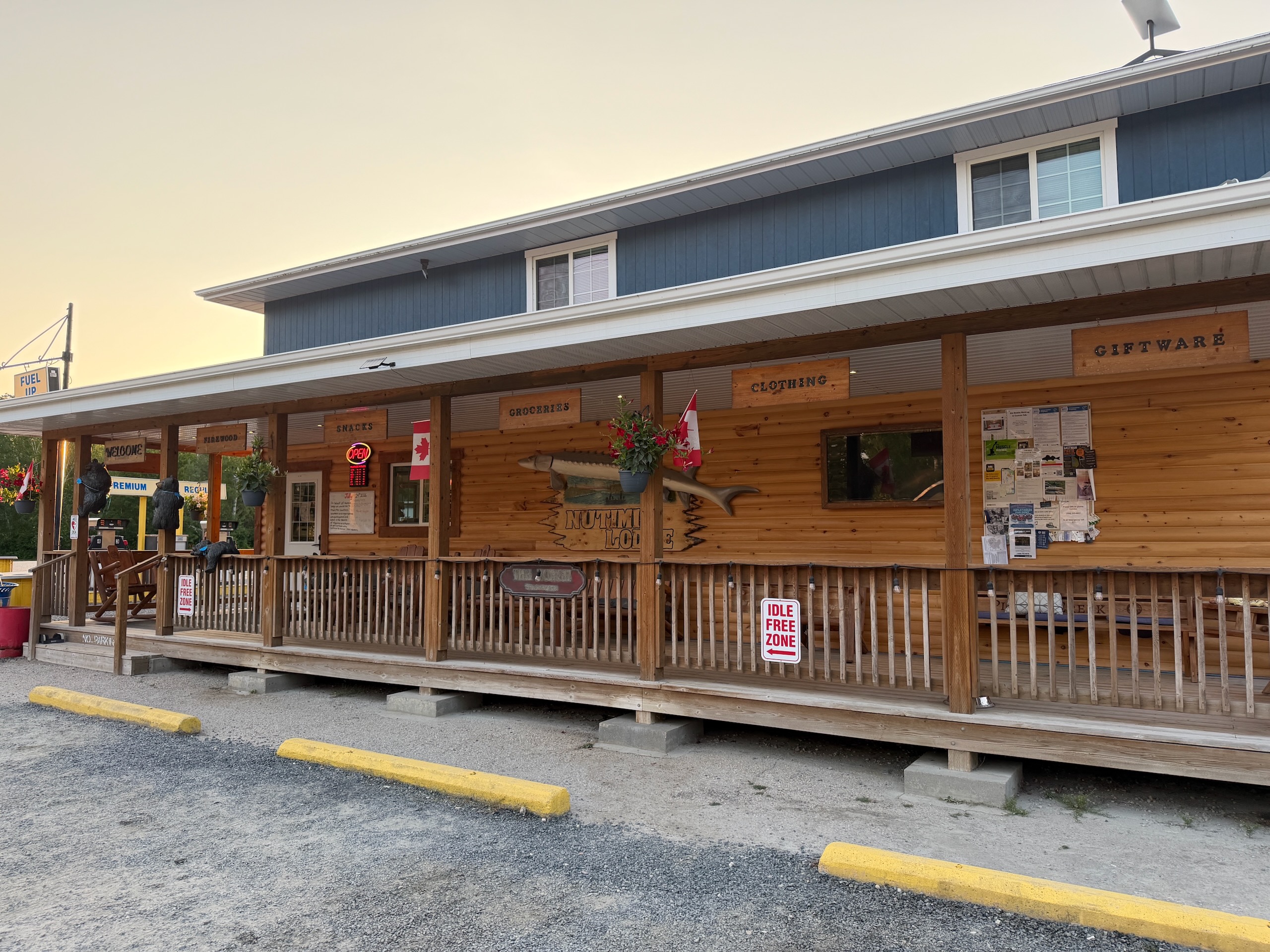
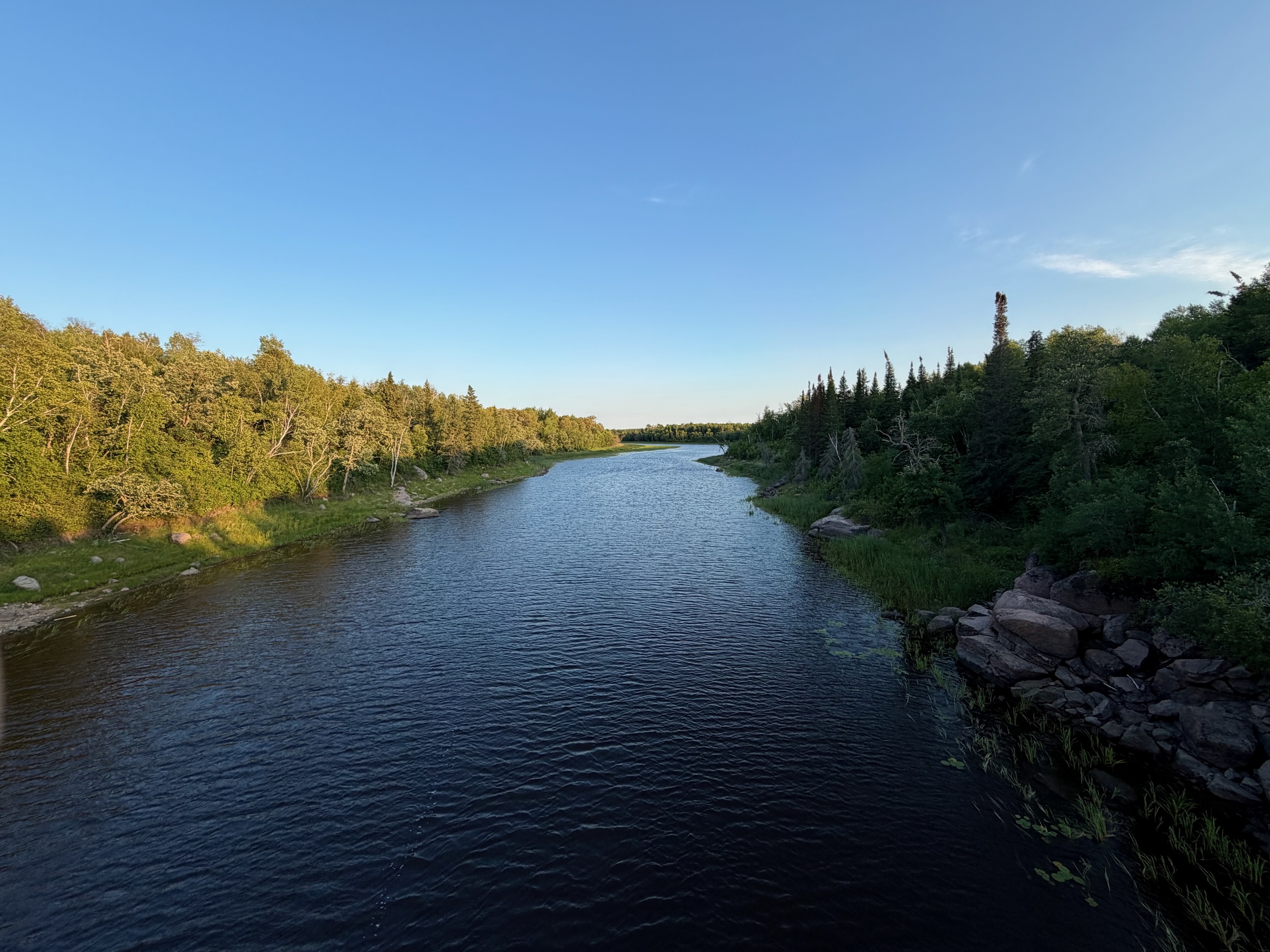
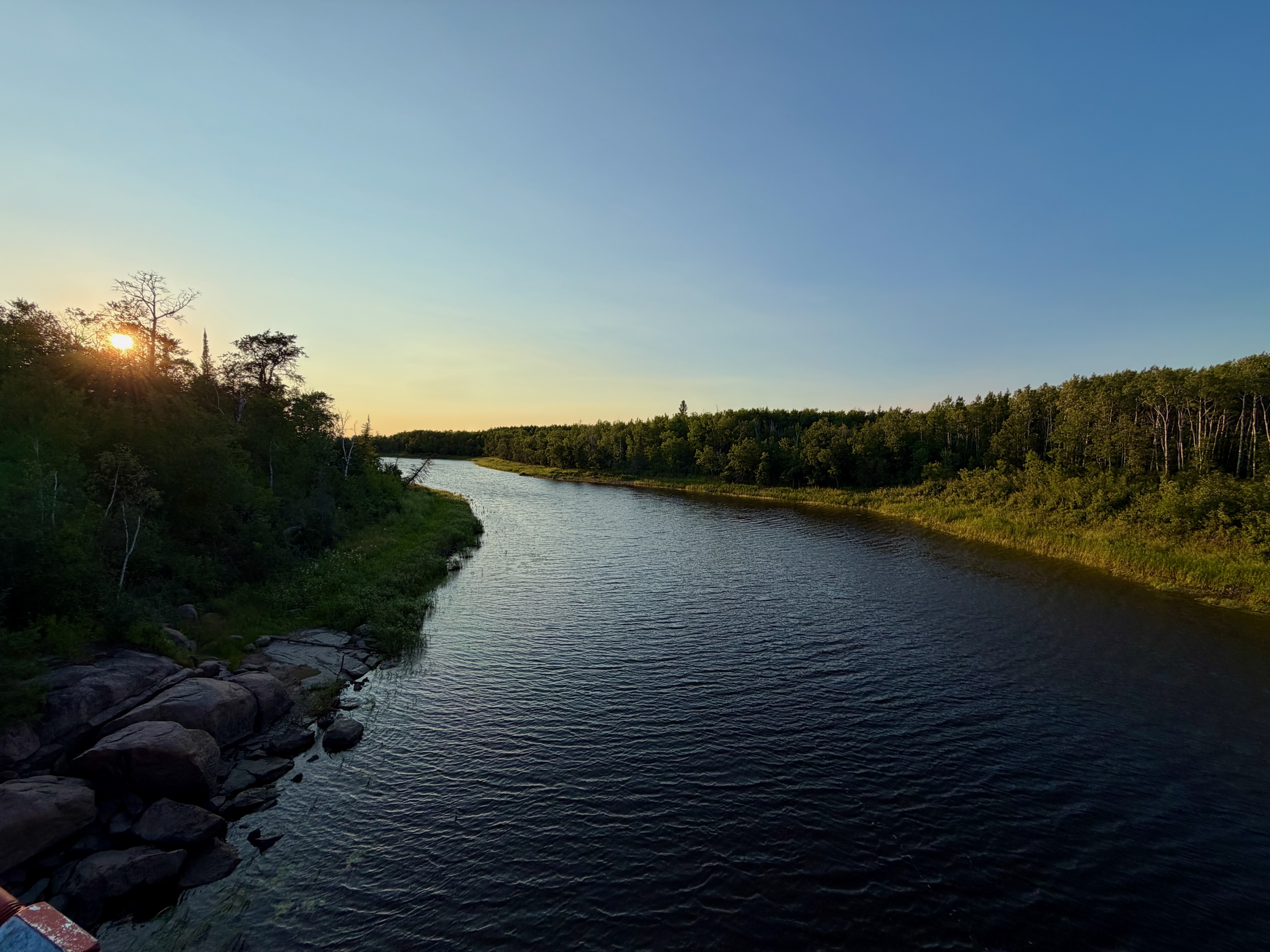
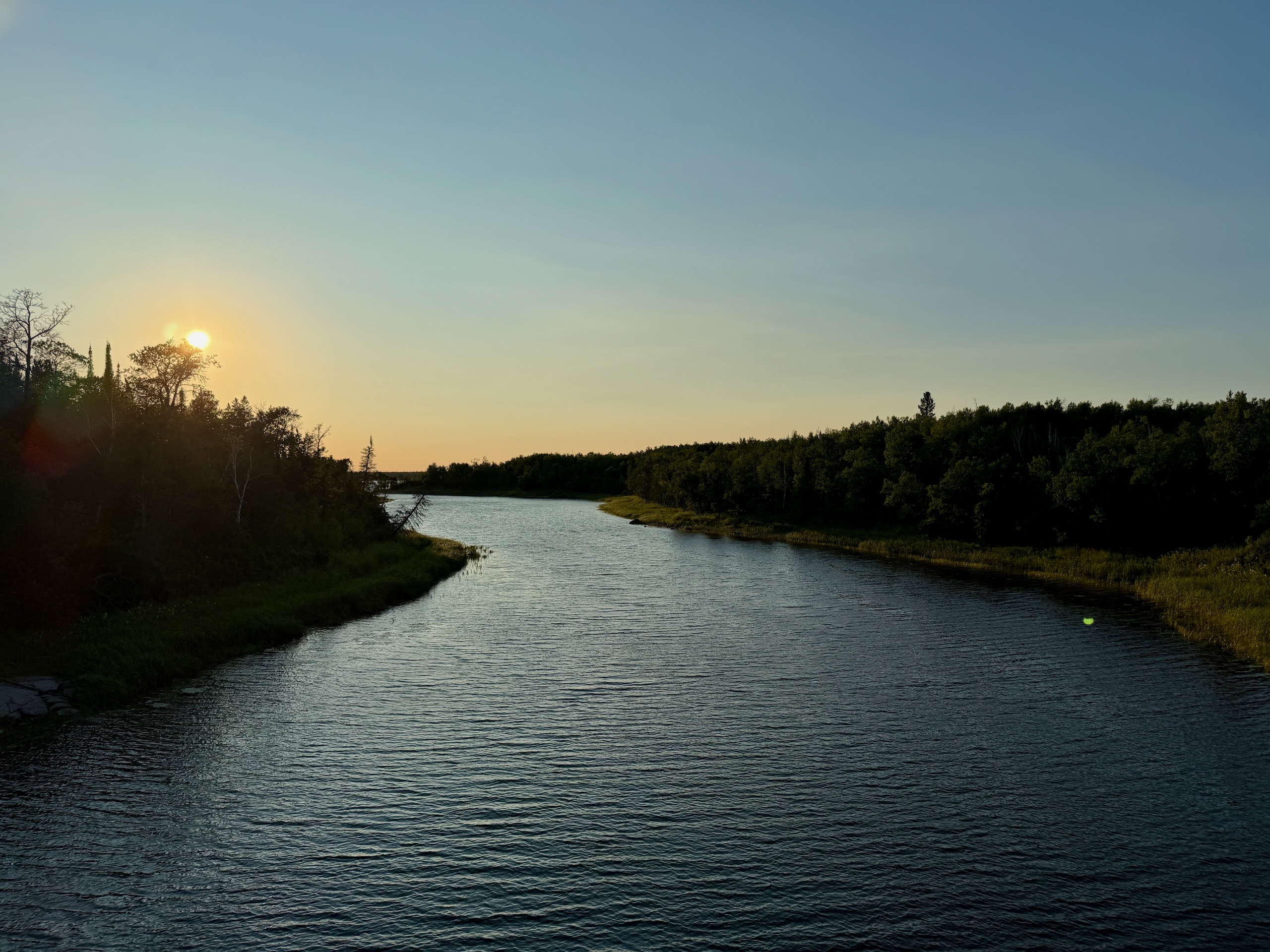
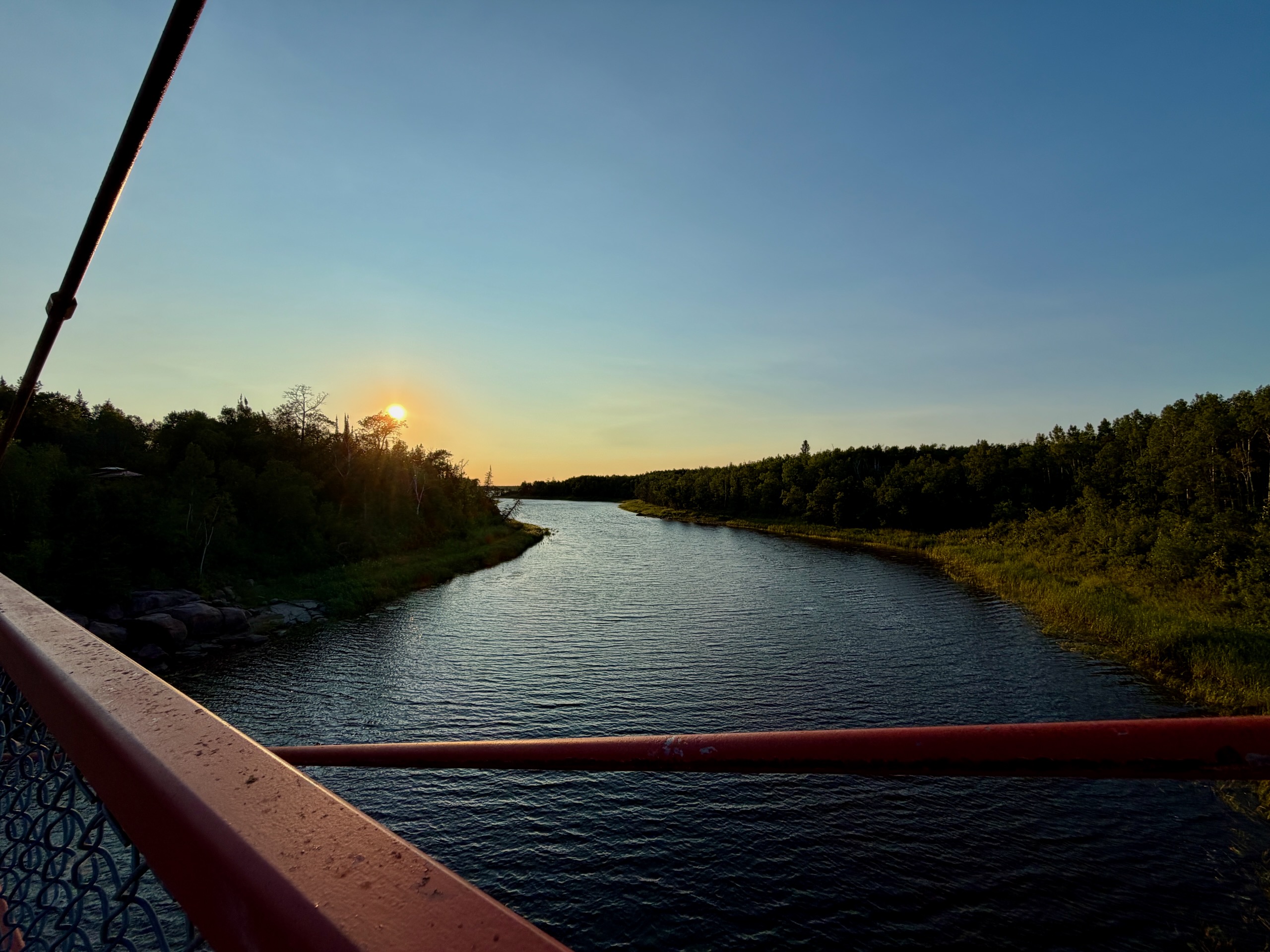
It answered most of the questions the first trip raised. Nutimik sits on the Winnipeg River system, close enough to the city that you can leave after work and be swimming before supper. There’s a sand beach, a large campground, a lodge with a store and fuel, and a suspension bridge nearby.
We’ve written it up separately, because these are different questions. For how to get there and what it takes, read our Friday evening drive to Nutimik Lake from Winnipeg. For what the place itself is like and what’s there, read Nutimik Lake, Manitoba.
What Whiteshell Provincial Park Is Known For
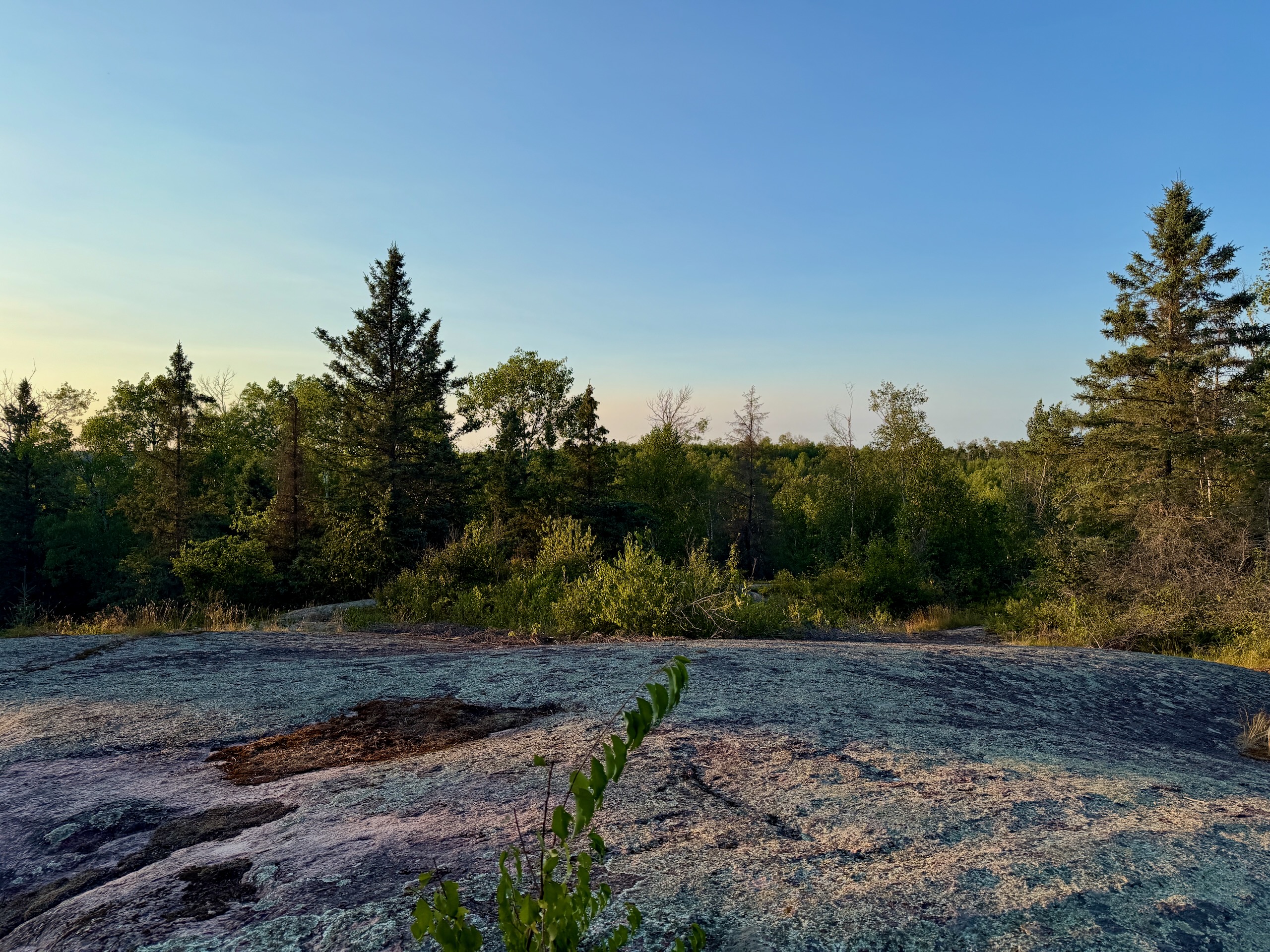
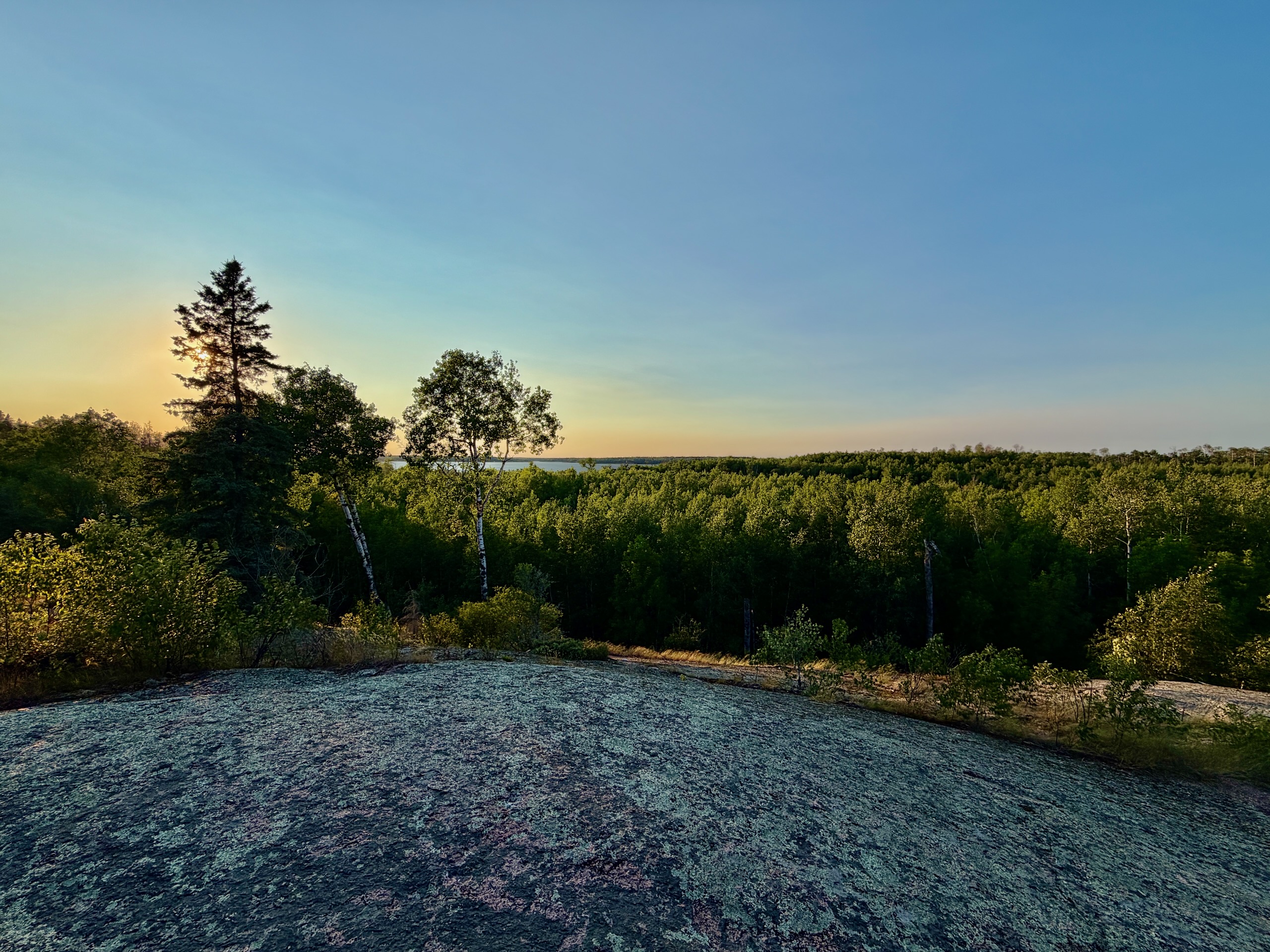
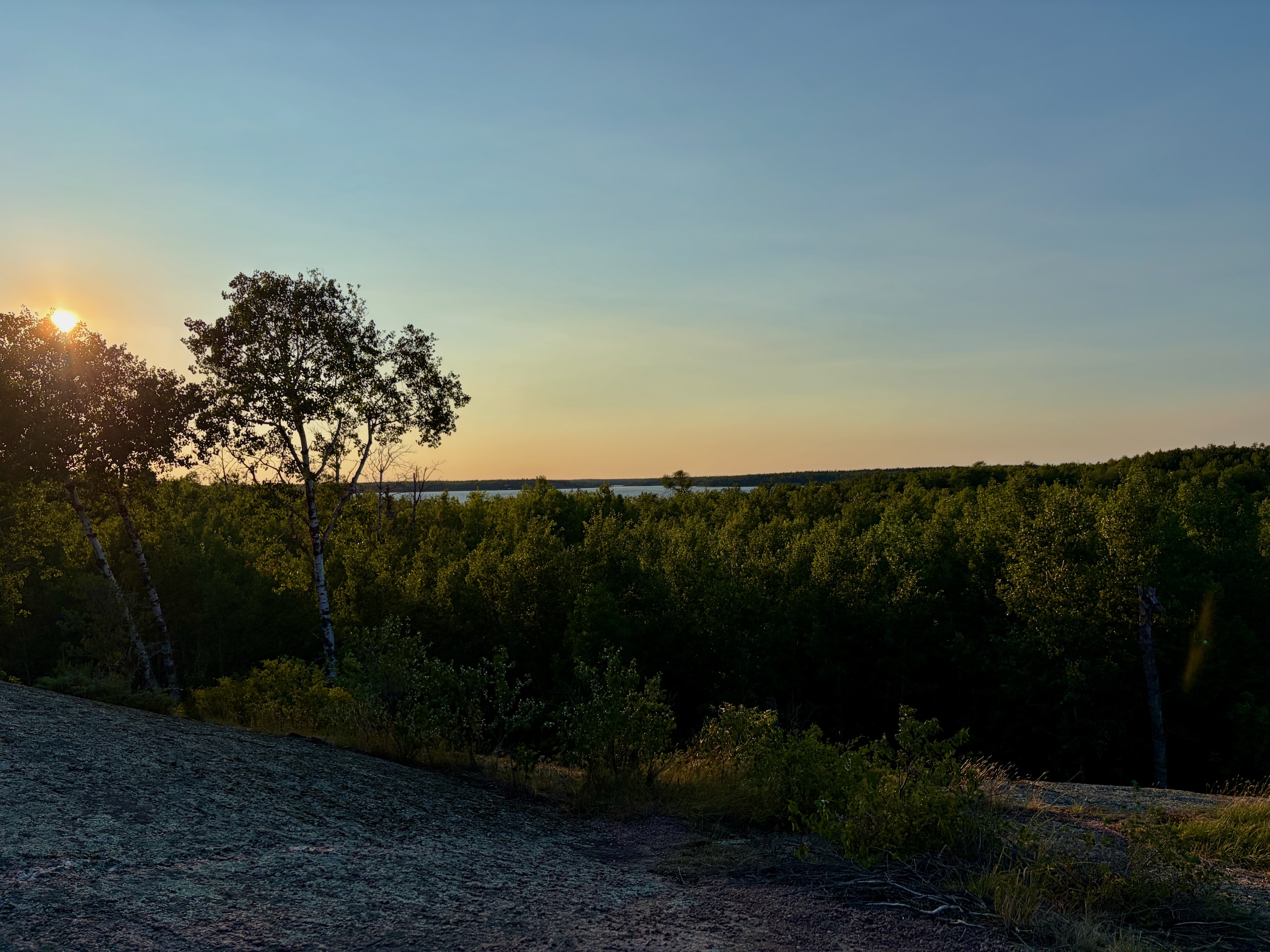
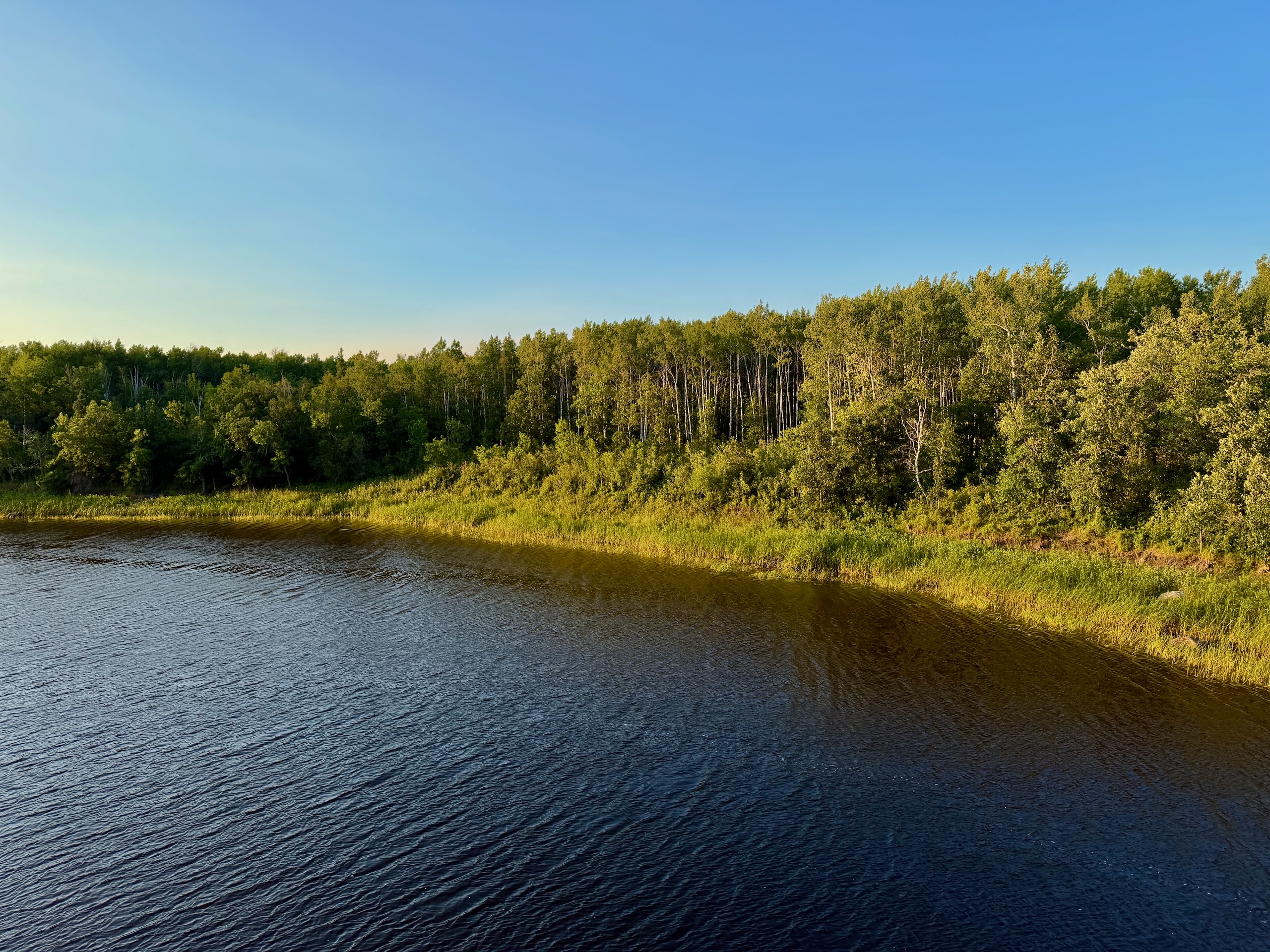
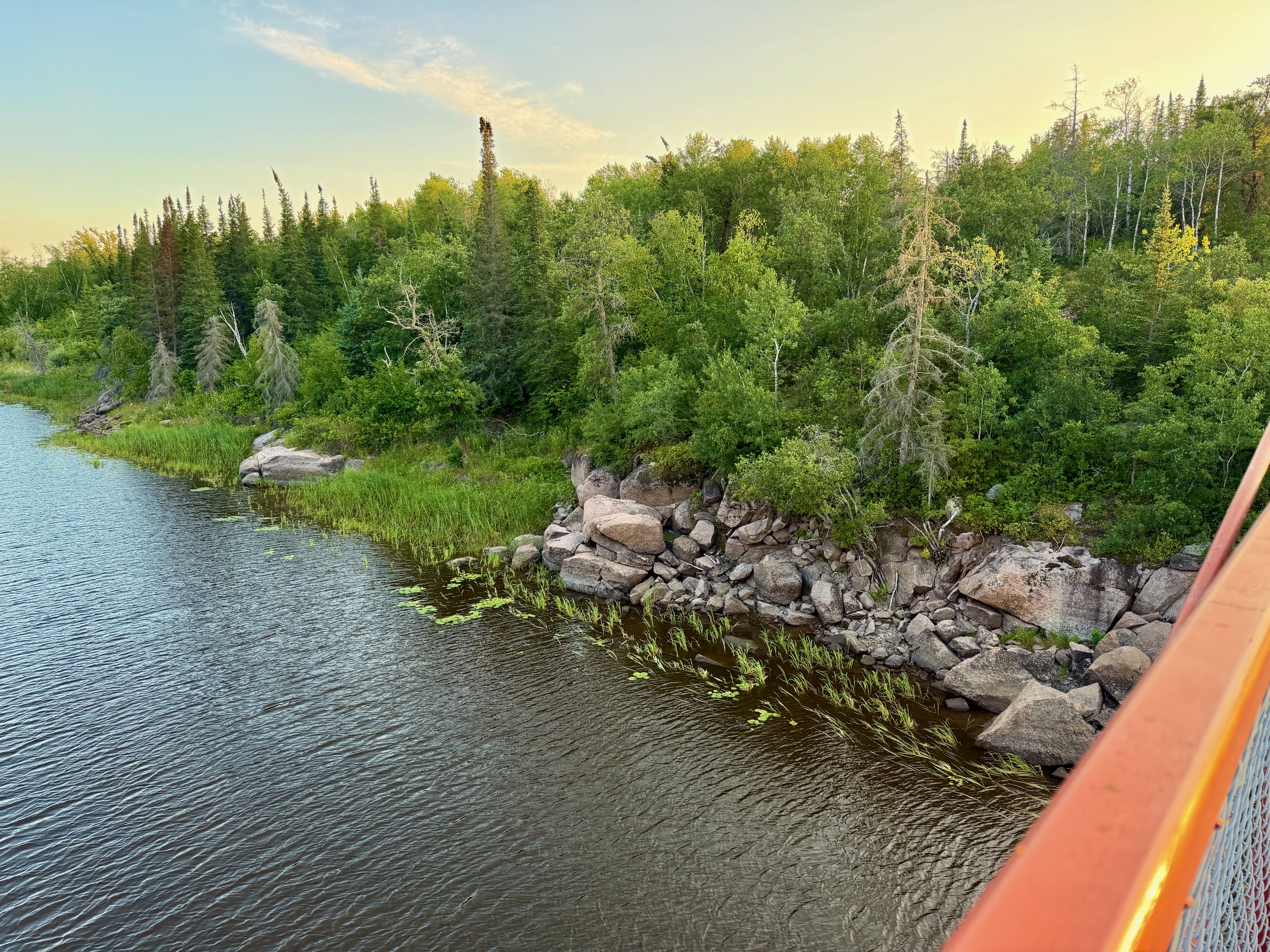
Whiteshell is one of Manitoba’s largest provincial parks — about 2,729 square kilometres, established in 1961 as one of the first parks created after the province passed its Provincial Parks Act. It sits squarely on the Canadian Shield: ancient Precambrian rock, scraped and polished by glaciers into pink granite ridges and an astonishing number of lakes — more than 200 of them, strung together by three river systems (the Winnipeg, the Whiteshell, and the Rennie).
- West Hawk Lake — the deepest lake in Manitoba at about 115 metres, and not by accident: it sits in a meteorite impact crater roughly 351 million years old. We haven’t been yet.
- Petroforms — sacred rock formations arranged by First Nations peoples, possibly over a thousand years ago, laid out on the pink granite. The park is still used today for ceremonies and for harvesting wild rice. These are places to approach slowly and respectfully; an Indigenous-led tour is the right way to learn their meaning.
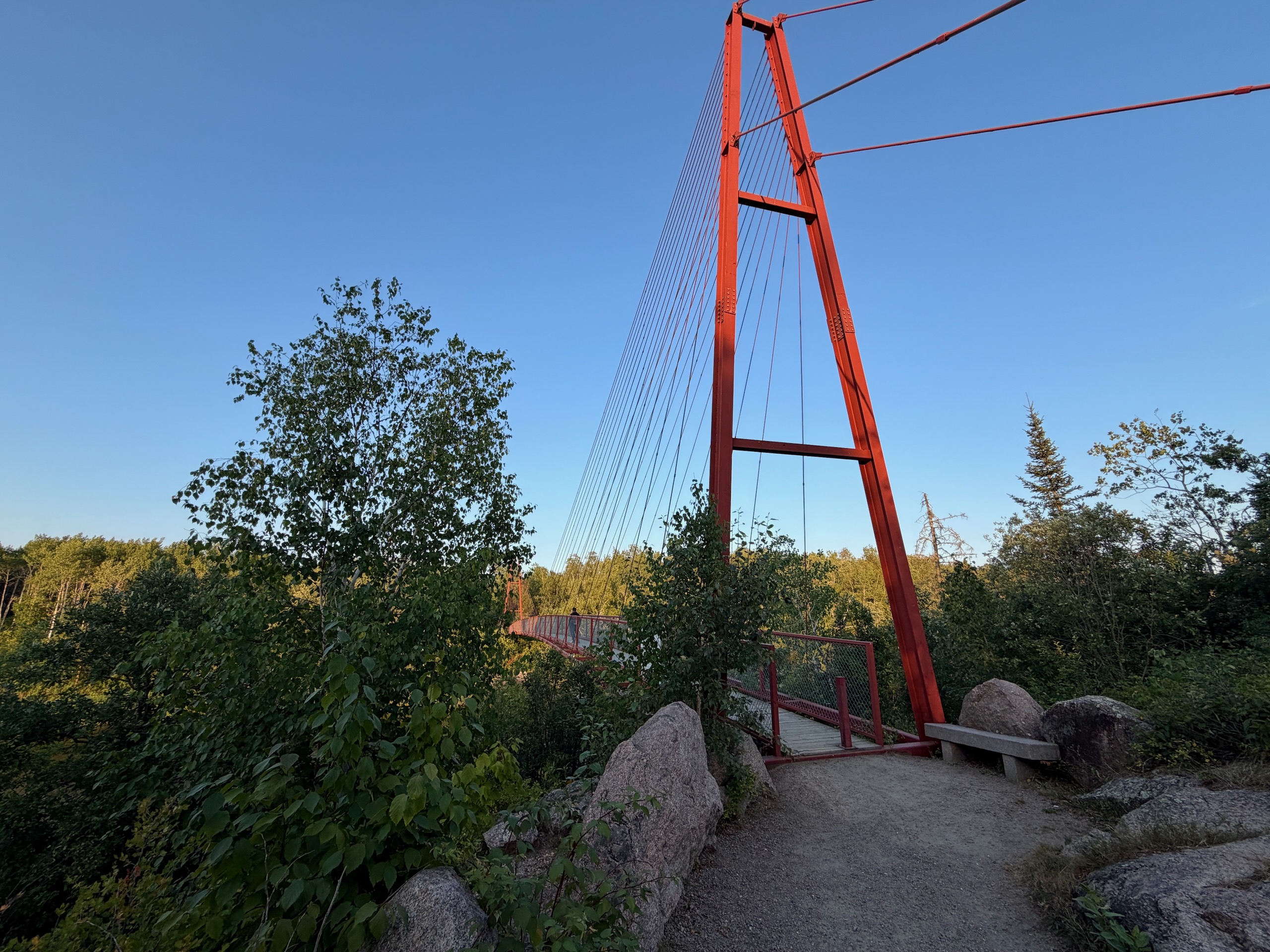
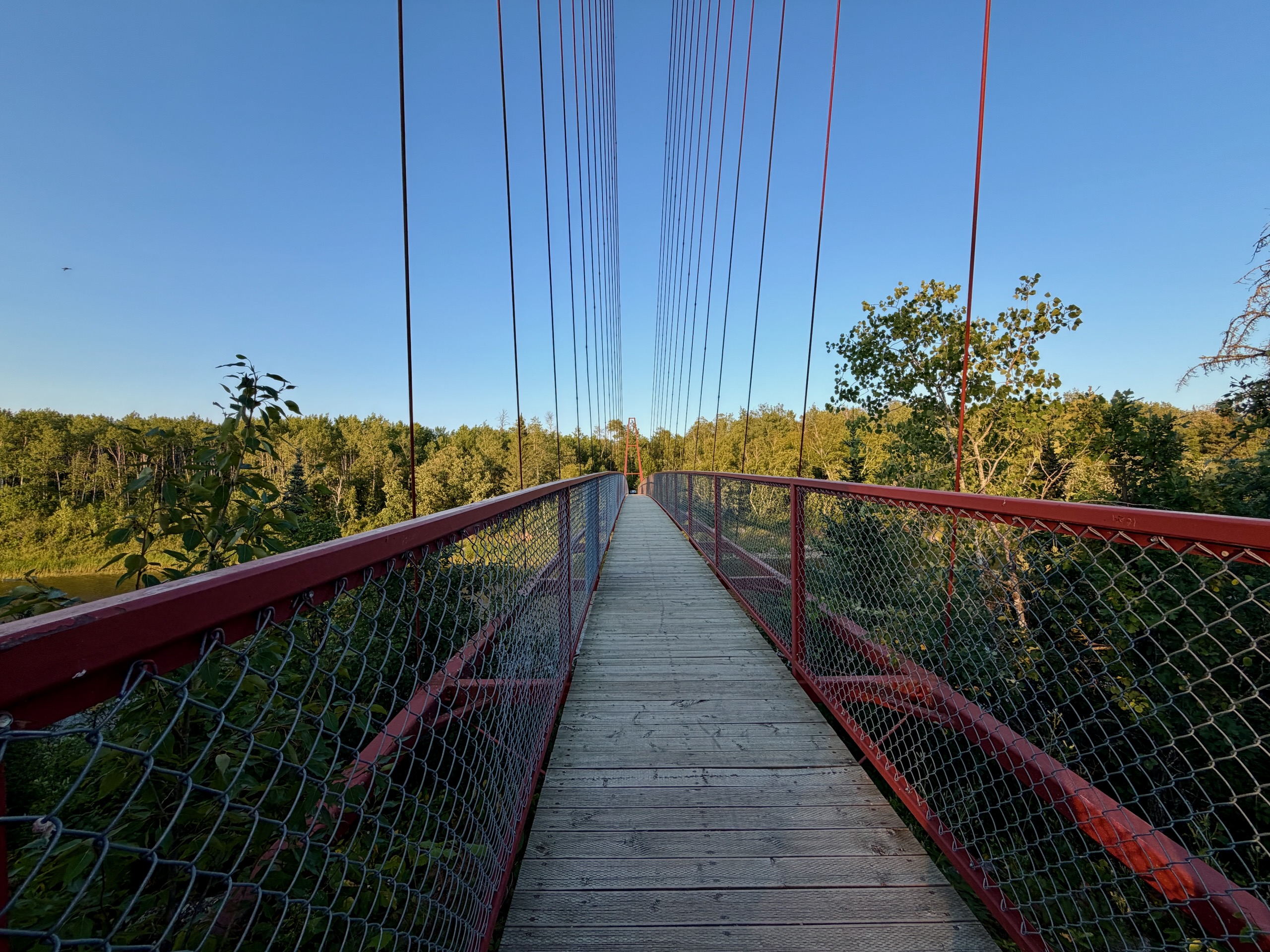
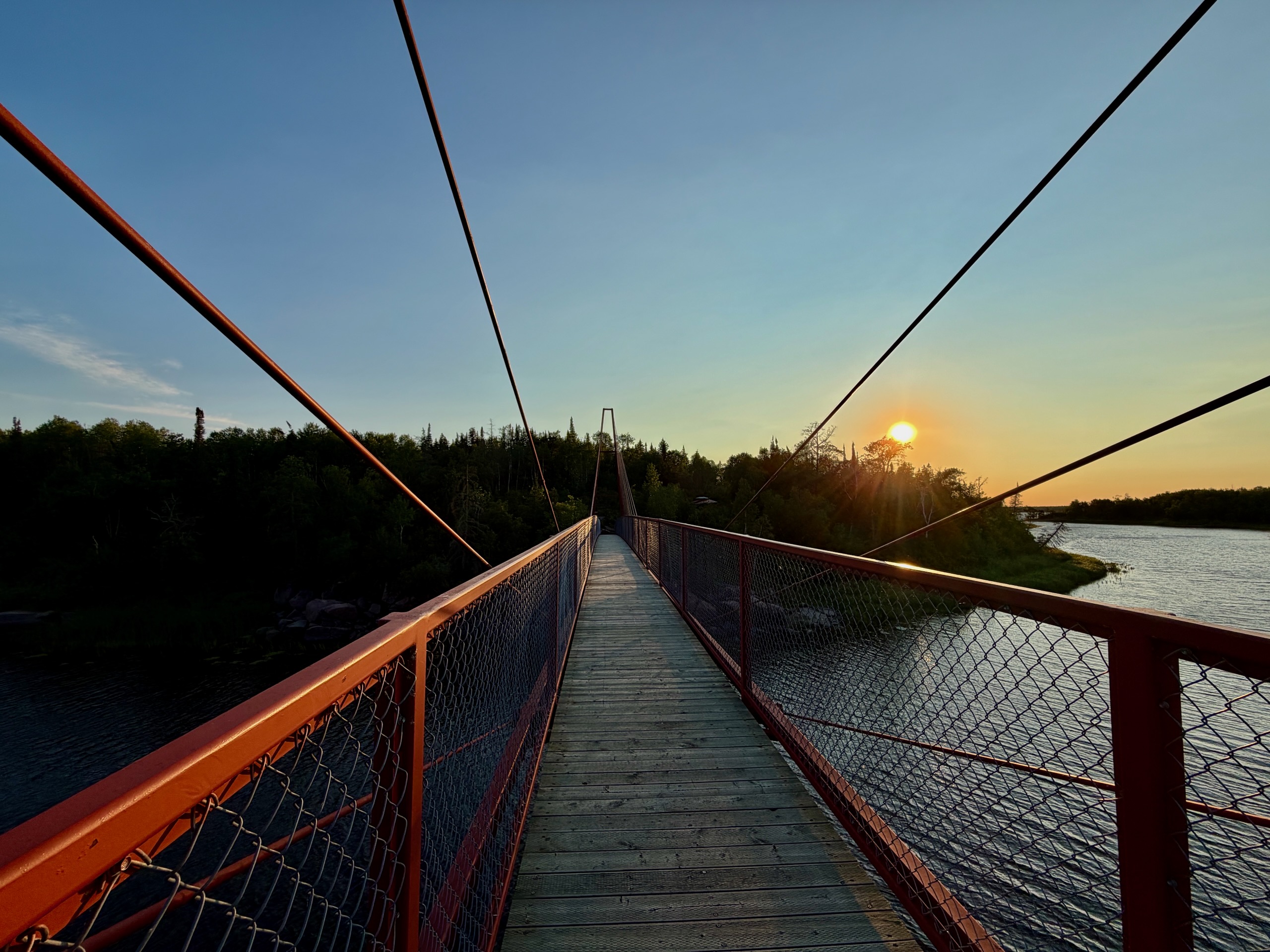
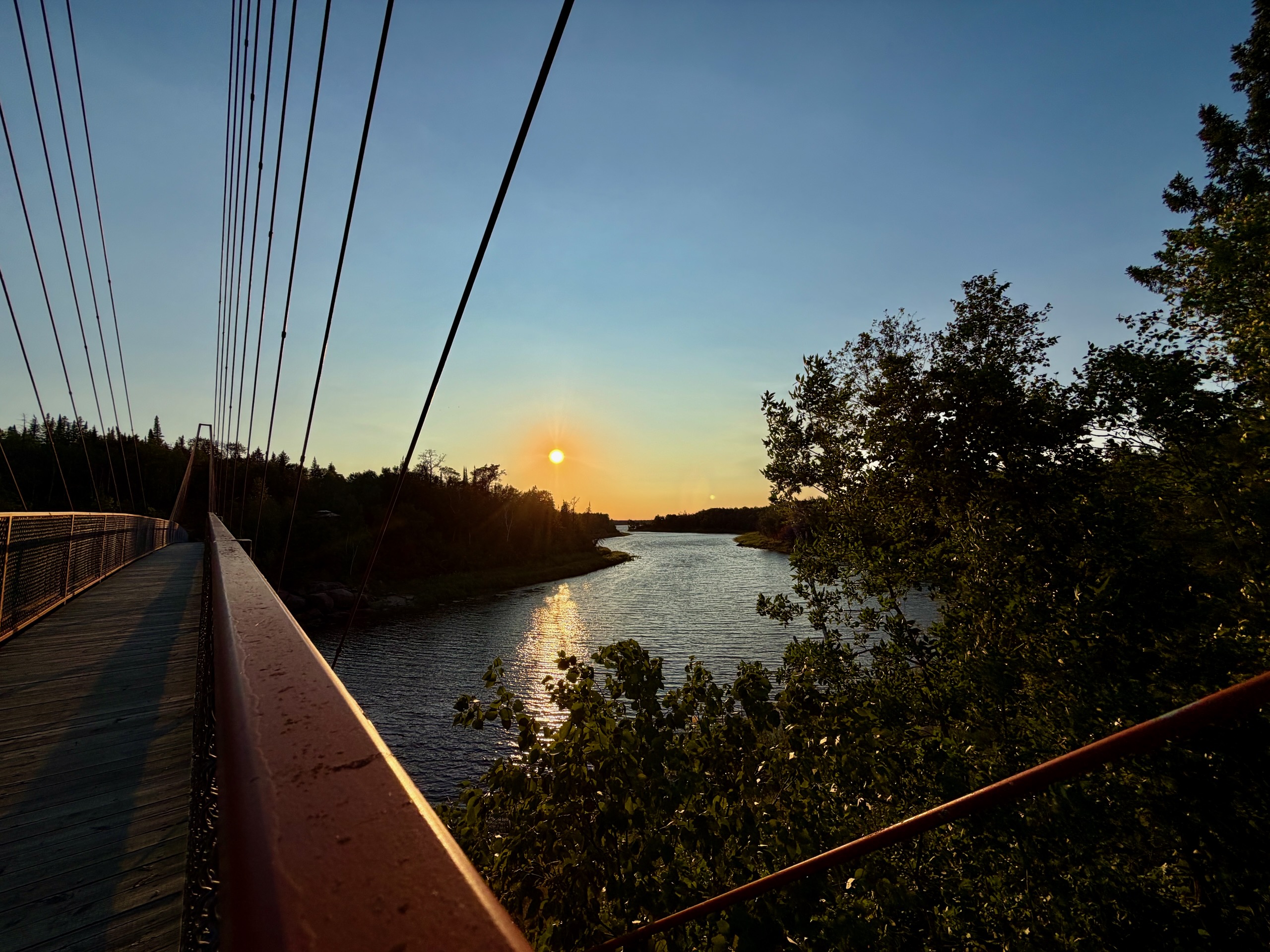
- The Whiteshell River Suspension Bridge — an 86-metre span completed in 2010, a short walk from the Nutimik Lake campground. We’ve now crossed it; the story of how it was built is in our Nutimik Lake guide.
- Cottage country meets backcountry — Falcon Lake and West Hawk Lake offer the comforts, while the park’s interior offers proper boreal wilderness. Black bears, moose, deer, beavers, and an abundance of Canada geese all live here.
Where Whiteshell Is and How Far It Is from Winnipeg
The park sits in southeastern Manitoba, right along the Ontario border. The southern end, around West Hawk and Falcon Lake, is right on the Trans-Canada — roughly 105–120 kilometres east of Winnipeg, about an hour and a half. That position is exactly why it works as a stop on the way to or from Kenora.
The north end is a longer and more interesting drive. We’ve written it out in our route to Nutimik Lake.
One thing to sort out in advance: cell service and data are unreliable through much of the park. Download offline maps while you still have signal.
Park Permits and What They Cost
Every motor vehicle in a Manitoba provincial park needs a valid park vehicle permit. The 2026 fees, GST included:
- Annual — $44.50, valid until April 30, 2027
- Casual — $16.50, valid for three consecutive days
- Daily — $9.50, valid until midnight on the day you buy it
We buy the annual one. If you’ll set foot in a provincial park more than three times in a year it pays for itself, and it can carry two licence plates.
One detail that catches people out: the permit has to be printed and displayed in your windshield, with the plate number visible. A screenshot on your phone is not a permit. Buy and print it at home before you leave — the province sells them through Manitoba e-licensing.
We’ve broken down the full picture — permits, camping and fishing licences, what you need and when — in our Manitoba park passes, camping and fishing guide, and for the rest of the country in provincial park passes across Canada.
Campfire Rules in Manitoba Provincial Parks
Two things are constant: open fires are never permitted in provincial parks, and a campfire is only ever allowed in an approved pit — walls at least 30 centimetres high with a grate on top, which is what the pits at provincial campsites are. Fireworks and sky lanterns are banned at all times.
Everything else moves through the season, and in a dry summer the whole province can go to a total ban including approved pits. Check before you drive out: Manitoba Parks fire and travel restrictions.
Our Canada wildfires guide for travellers covers the wider season.
What’s Closed Right Now
The Sturgeon Falls trail at the north end of the park is closed pending safety work, after two children died there in July 2026. The suspension bridge and the Trans Canada Trail section remain open. The full context, and what you can still walk, is in our Nutimik Lake guide.
The Mantario Trail is listed by Manitoba Parks under 2025 wildfire recovery. If a multi-day hike is the reason you’re coming, confirm its status first.
Both are specific cases of a general rule: in a park this size, something is always closed. Check Manitoba Parks notices in the week you travel.
When to Visit Whiteshell
Whiteshell is a four-season park. Summer is for the beaches, the lakes, paddling, and cottage life. Fall brings colour and quiet to the Shield. Winter opens up skiing, snowshoeing, and ice fishing.
We’ve now seen it in June and July, and there are two things the brochures don’t mention. First, the water here is cooler than the beaches closer to the city — which, after a week of heat, was exactly the point. Second, the mosquitoes. Around nine in the evening the wind dropped and the light started to go, and within twenty minutes nobody was asking whether they needed repellent.
If insects genuinely ruin a trip for you, aim for September. Warm water, fewer people, far fewer bugs.
What to Bring
- A park vehicle permit — printed, in the windshield
- Serious bug spray — not optional in July and August
- Offline maps — signal here is unreliable
- Sturdy shoes with grip — Shield bedrock is slippery when wet
- A swimsuit — for the lakes, West Hawk and Nutimik included
- A headlamp or flashlight — the campgrounds get properly dark
- Respect — especially around the petroforms, any culturally significant sites, and any posted closure
Who This Park Is For
- Anyone who thinks Manitoba is “just prairie” — the Shield will change your mind in about five minutes
- Cottagers and campers — from lakefront comfort to boreal backcountry
- Anglers and paddlers — 200+ lakes and three river systems
- Anyone curious about the land’s deep history — petroforms, a meteorite crater, ancient rock
- People who want quiet — we found more of it here than almost anywhere nearby
Quick Reference
| What | Details |
|---|---|
| Location | southeastern Manitoba, along the Ontario border |
| From Winnipeg | ~105–120 km to the south end (~1.5 h); the north end is further |
| Established | 1961 |
| Size | ~2,729 km² |
| Landscape | Canadian Shield — pink granite, 200+ lakes, boreal forest |
| Entry | Park vehicle permit — $9.50 day / $16.50 three days / $44.50 annual |
| Fires | Approved grated pits only; no open fires ever |
| Dogs | Not allowed on beaches with a defined swim area; leashed elsewhere |
| Closed now | Sturgeon Falls trail; Mantario Trail under wildfire recovery |
| Bugs | Mosquitoes are severe after sunset, July and August |
| Signal | Unreliable — download offline maps |
| Roads | Deer after sunset, regularly |
| Best time | summer for the lakes; September for colour, quiet and far fewer bugs |
Why We’re Going Back
Some places you fall for slowly, over a whole day. Whiteshell we fell for in fifteen minutes, in the rain, at dusk — which is probably the best argument there is for going back. It is close, it is huge, and it is the easiest place near Winnipeg to be reminded that Manitoba is not all flat fields.
The second visit only made that worse. We’ve now seen two small corners of a park the size of four Winnipegs, and the list has got longer rather than shorter: West Hawk and its crater, the petroforms with someone who can explain them properly, Sturgeon Falls when it reopens, and the Shield in September.
Until then: if you liked the look of the Shield here, its rockier Ontario cousin 20 minutes past Kenora is our Rushing River Provincial Park guide, and the big forested Manitoba park closer to the city is Birds Hill.
Last checked: August 2026. We’ve visited Whiteshell Provincial Park twice — a short stop near the south end in June 2026, and a full evening at Nutimik Lake on Friday, July 31, 2026. The weather, the quiet, the mosquitoes, the road conditions and the deer are firsthand. We did not have a fire, so we can’t speak to the pits from experience. West Hawk Lake, the petroforms and the Mantario route we have not yet seen ourselves.
Sources checked: Manitoba Parks (park fees; fire and travel restrictions; Paws in Parks; park notices), Manitoba government news releases, CBC News. Fees, restrictions and closures change without warning — confirm on the day you travel.