

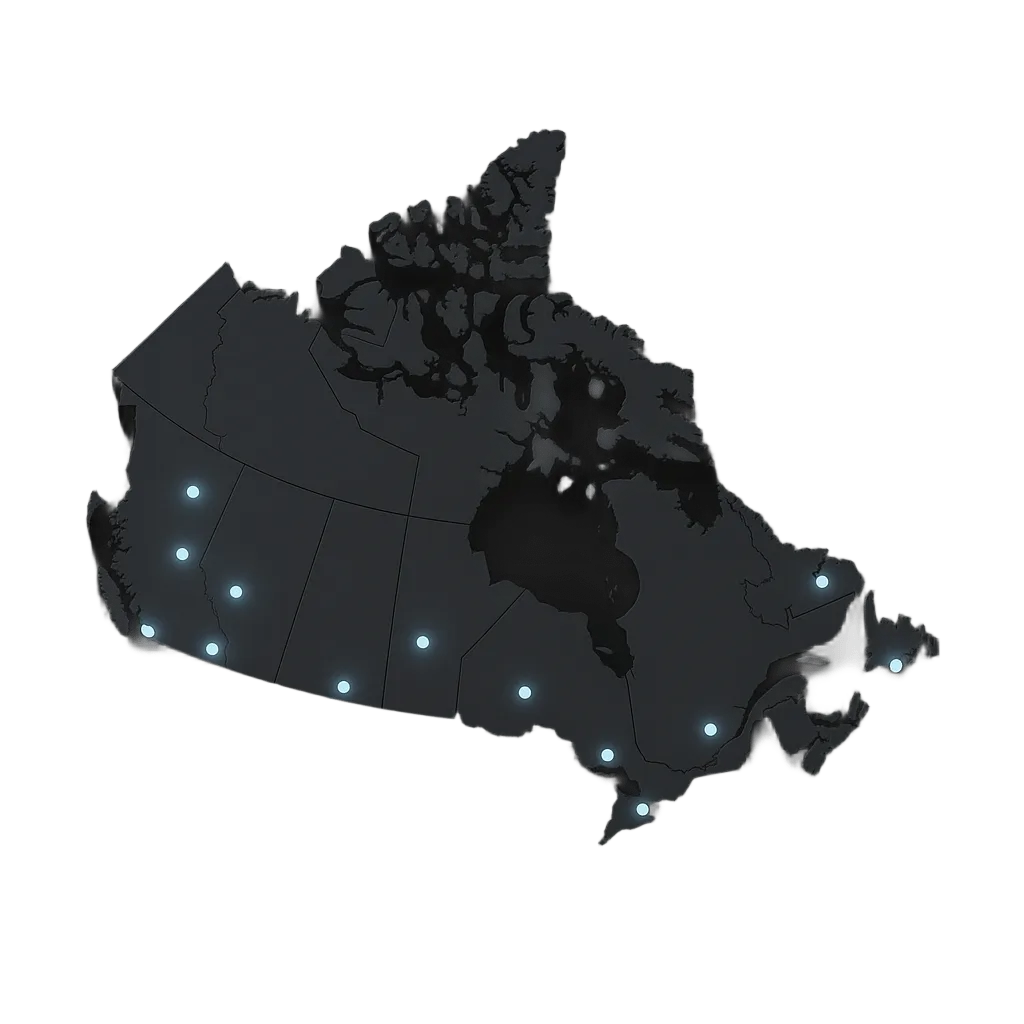

The “Lake of the Little Fishes” beneath the Victoria Glacier — and the parking battle that comes with the fame.
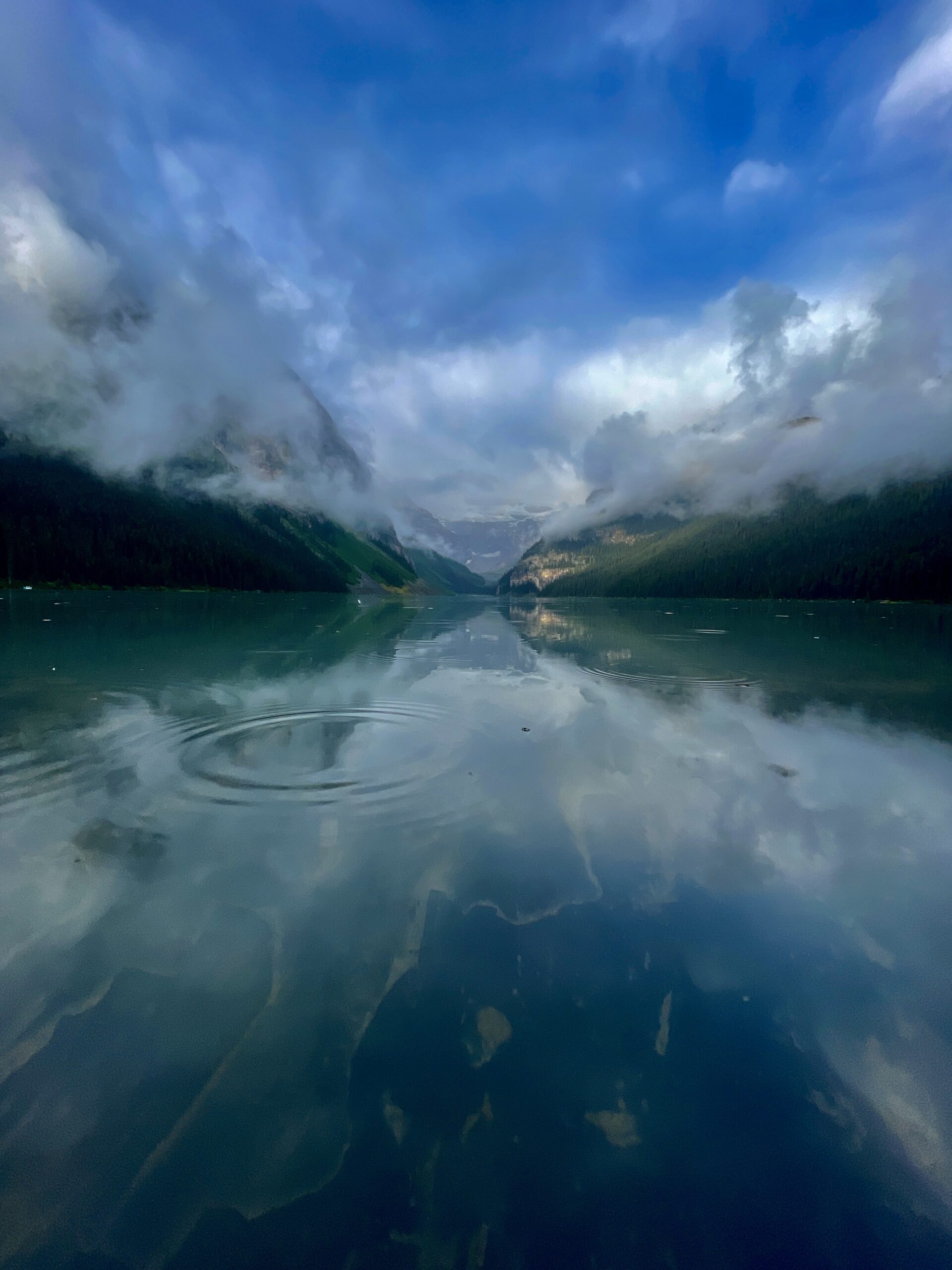
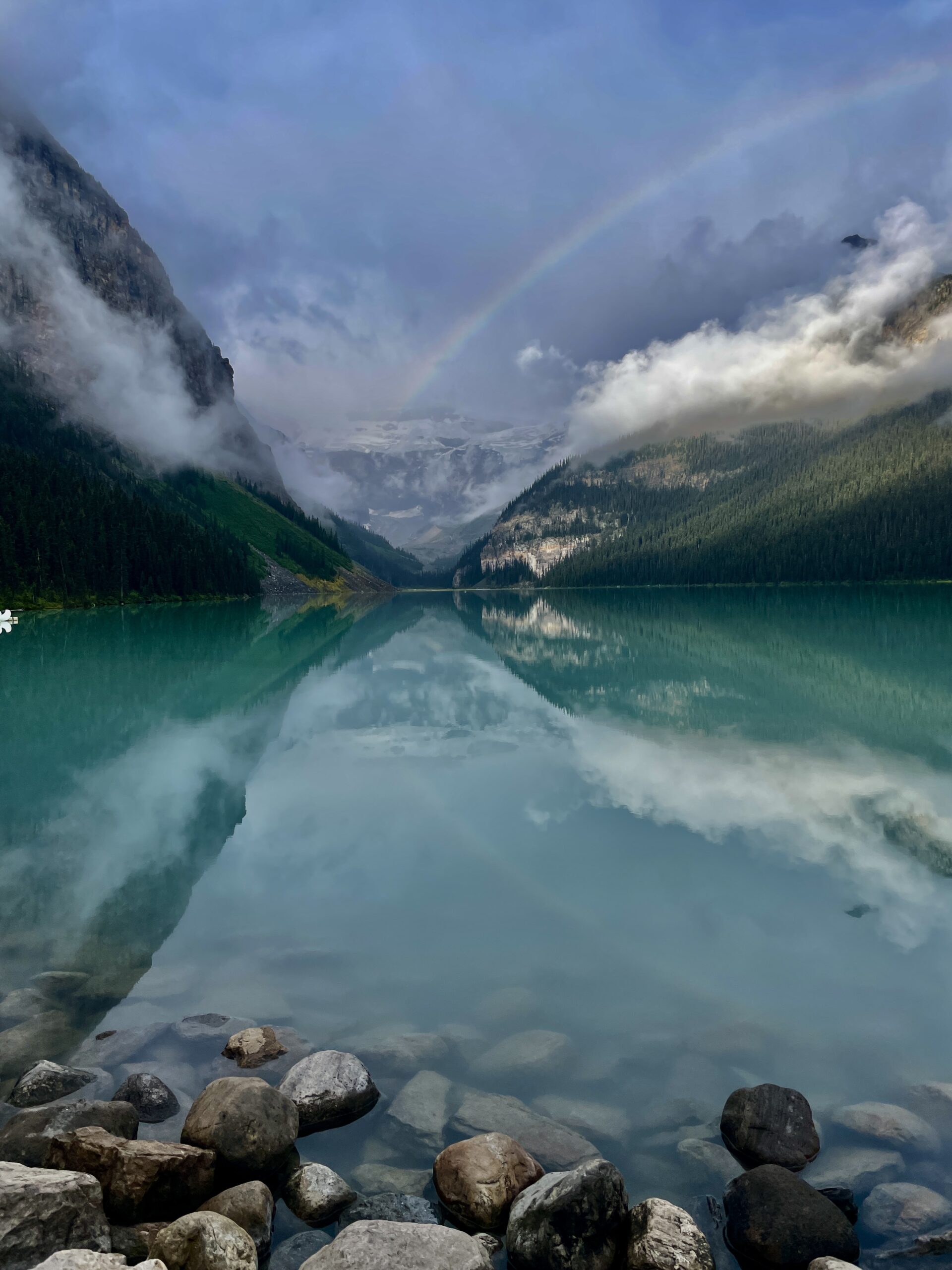
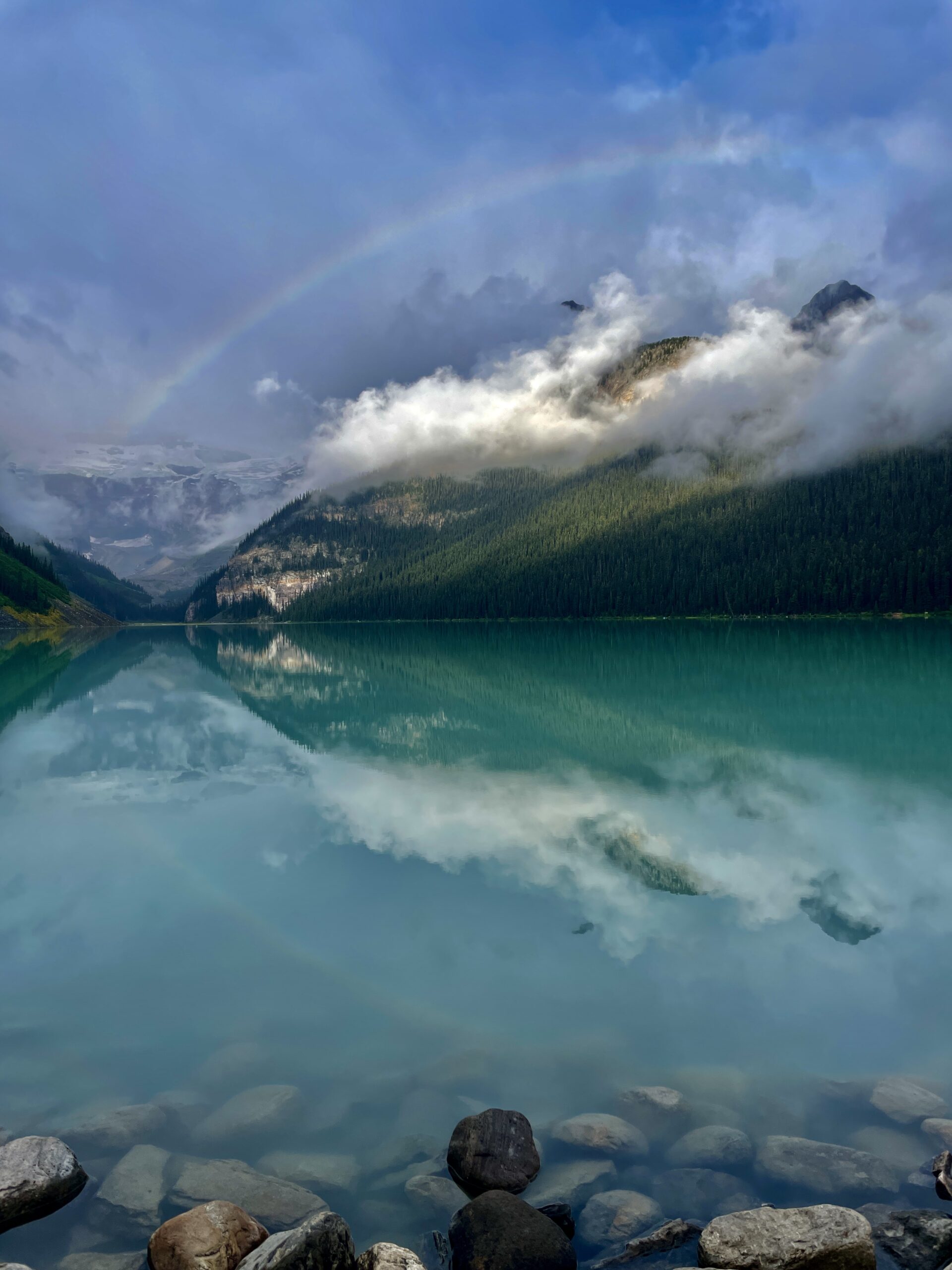
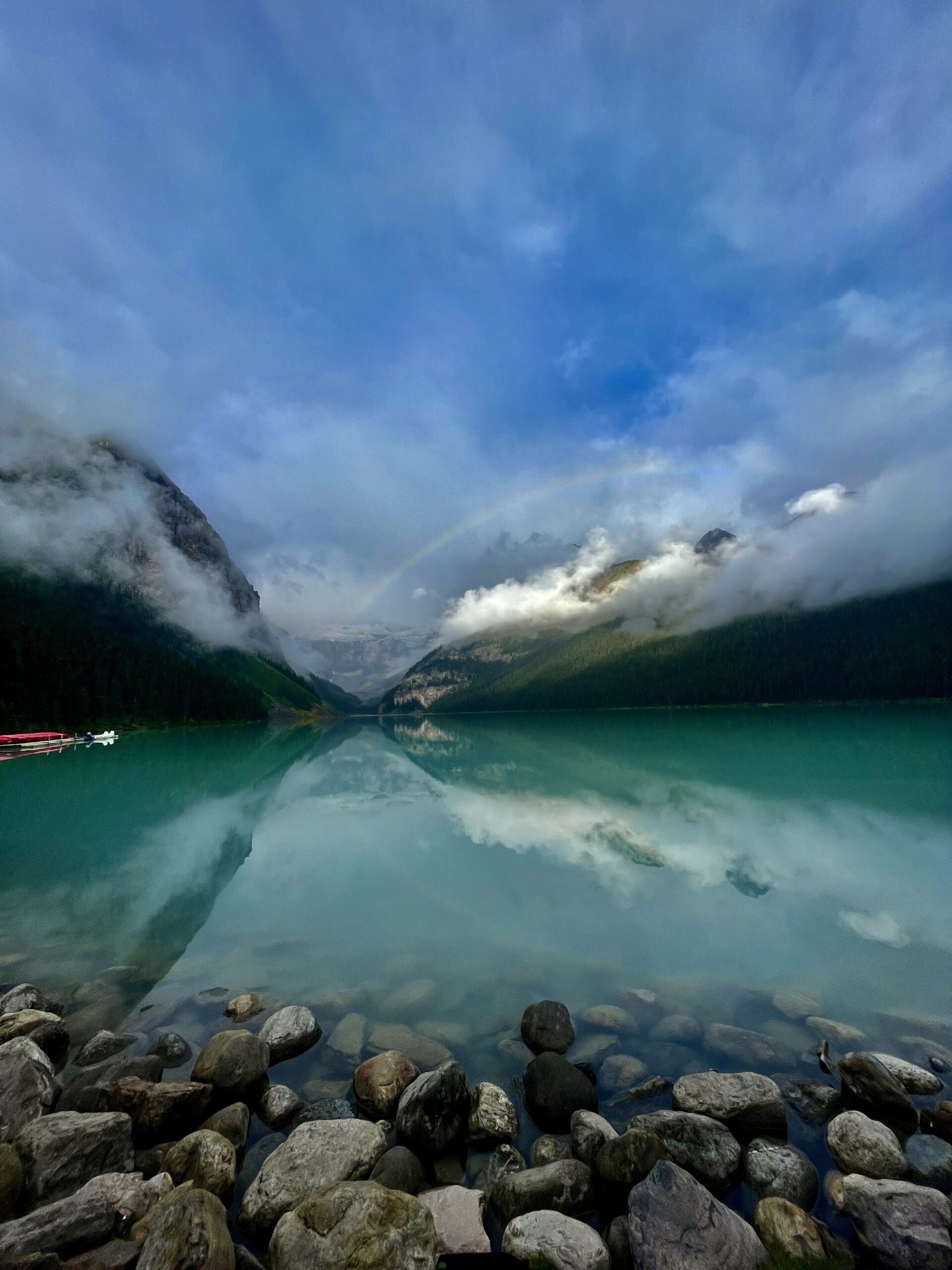
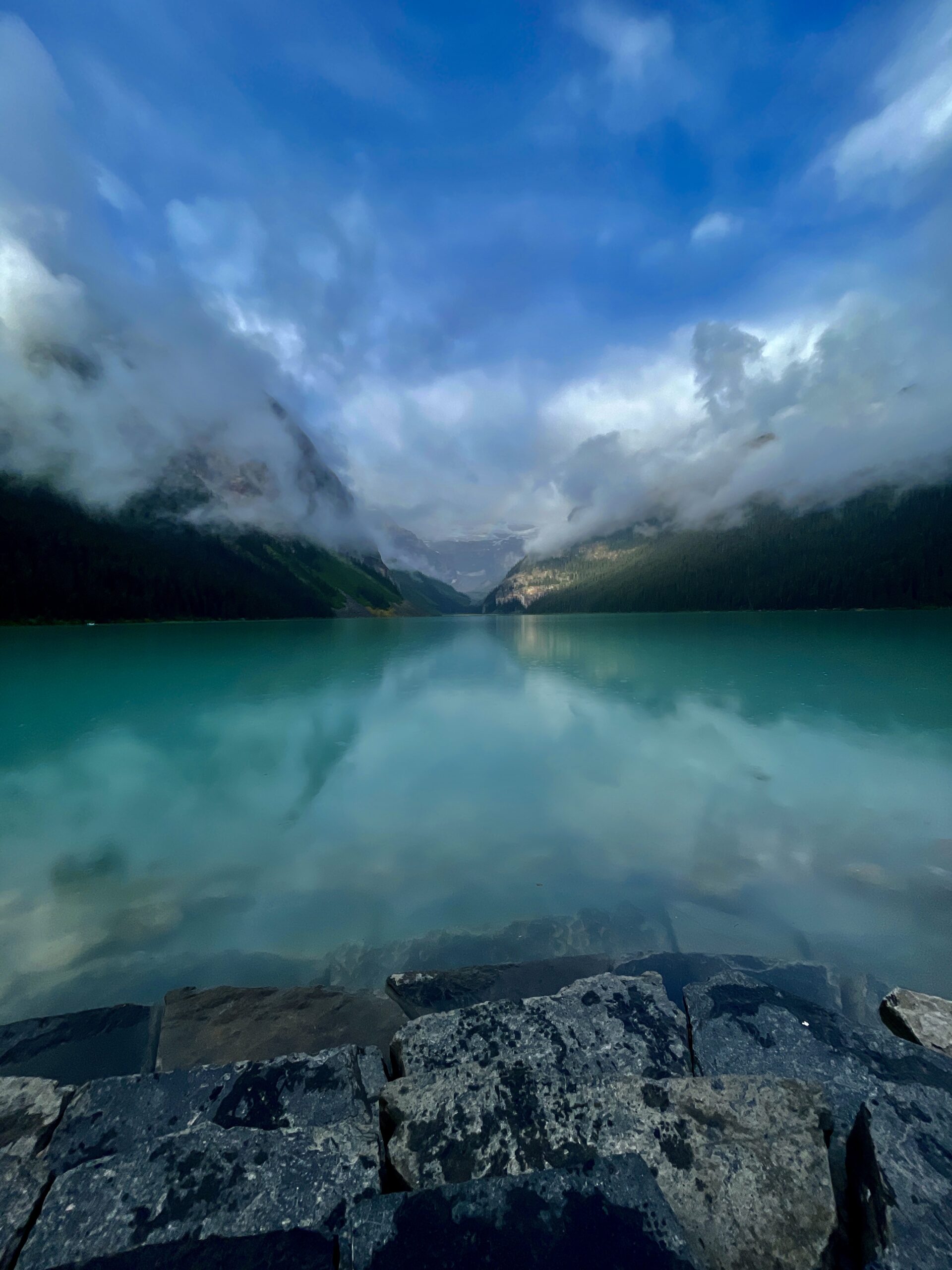
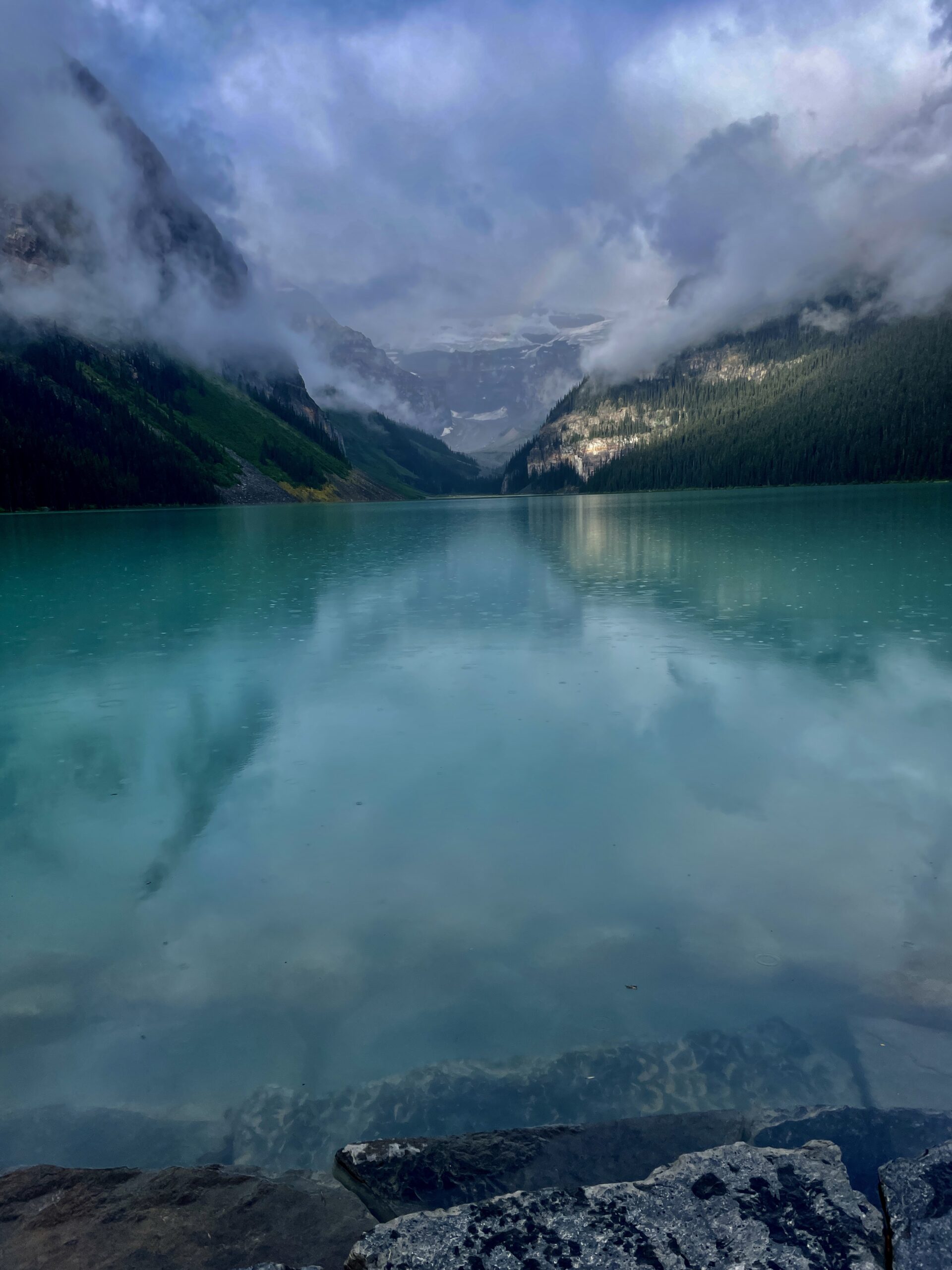
Lake Louise is probably Canada’s most famous lake: a turquoise sheet of water, the Victoria Glacier above it, and a grand castle-hotel right on the shore. We visited on day three of our Winnipeg-to-Banff road trip — and, like many, first lost the fight for parking, then fell for the lake itself. Here’s the history, the beauty, and how not to ruin your visit with logistics.
History: from “Lake of the Little Fishes” to a princess
Behind the postcard lies a whole era. The Stoney Nakoda long knew the lake as the “Lake of the Little Fishes.” The first non-Indigenous person to see it, in 1882, was railway worker Tom Wilson, brought here by a Stoney guide; struck by the colour, Wilson first named it Emerald. In 1884 it was renamed after Princess Louise Caroline Alberta, a daughter of Queen Victoria — the province of Alberta is named for her too. The community nearby grew up earlier still, from 1890, as Laggan Station at the end of the Canadian Pacific line. And the Fairmont Chateau Lake Louise on the shore still recalls that age of grand hotels; it was here, after a fatal 1896 climb, that the story of Canadian mountaineering — and the tradition of hiring seasoned Swiss guides — began.
Why the water is so impossibly turquoise
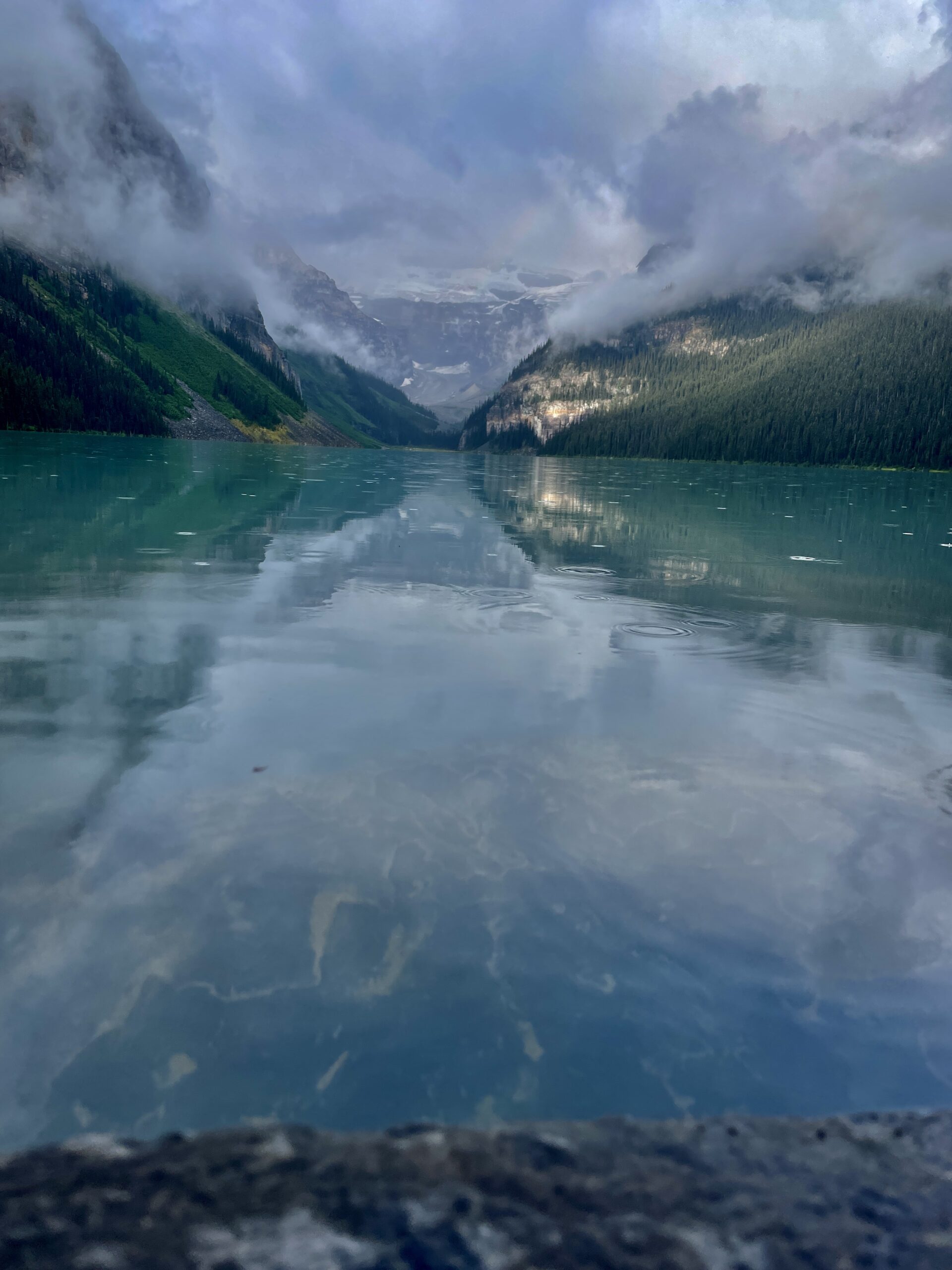
The colour is a purely scientific affair. Above the lake hangs the Victoria Glacier, which grinds rock into the finest powder — “rock flour.” Meltwater washes it into the lake, where it stays suspended and scatters light to give the water that signature turquoise. In spring it’s bluer; at the height of summer, when melt peaks, it’s a richer emerald-green. A warning for the bold: almost no one dares swim here — the water is icy, 4–8 °C even in summer. The lake itself is small — about 2 km long and up to 70 metres deep — and frozen for most of the year, so you can only catch that turquoise in the warm season.
Parking and how to get here (important, 2026)
Lake Louise’s real challenge isn’t the beauty but the logistics. In summer, lakeshore parking costs $42 per vehicle per day (up from $36 in 2025), runs roughly May to October, and — most importantly — fills up before 6:00–6:30 a.m.; arrive later and you’ll simply be turned away (at peak season about three-quarters of vehicles are). So there are two more reliable options: be there at dawn, or skip the hassle entirely and take the Parks Canada shuttle from the Park & Ride lot by the ski resort. A shuttle reservation is required; for 2026 it opened April 15, with extra seats released at 8 a.m. MDT two days before travel. There’s also the ROAM public bus from Banff (Route 8X) and private shuttles. In summer 2026 park entry is free under the Canada Strong Pass, but that doesn’t cover parking or shuttles — those are separate.
For the record, we only got a spot on the second try: at seven it was all full, we rolled back to the village for a coffee, then returned — and whether it was our asking or our dachshund Nika catching the staff’s eye, a spot was found for us after all.
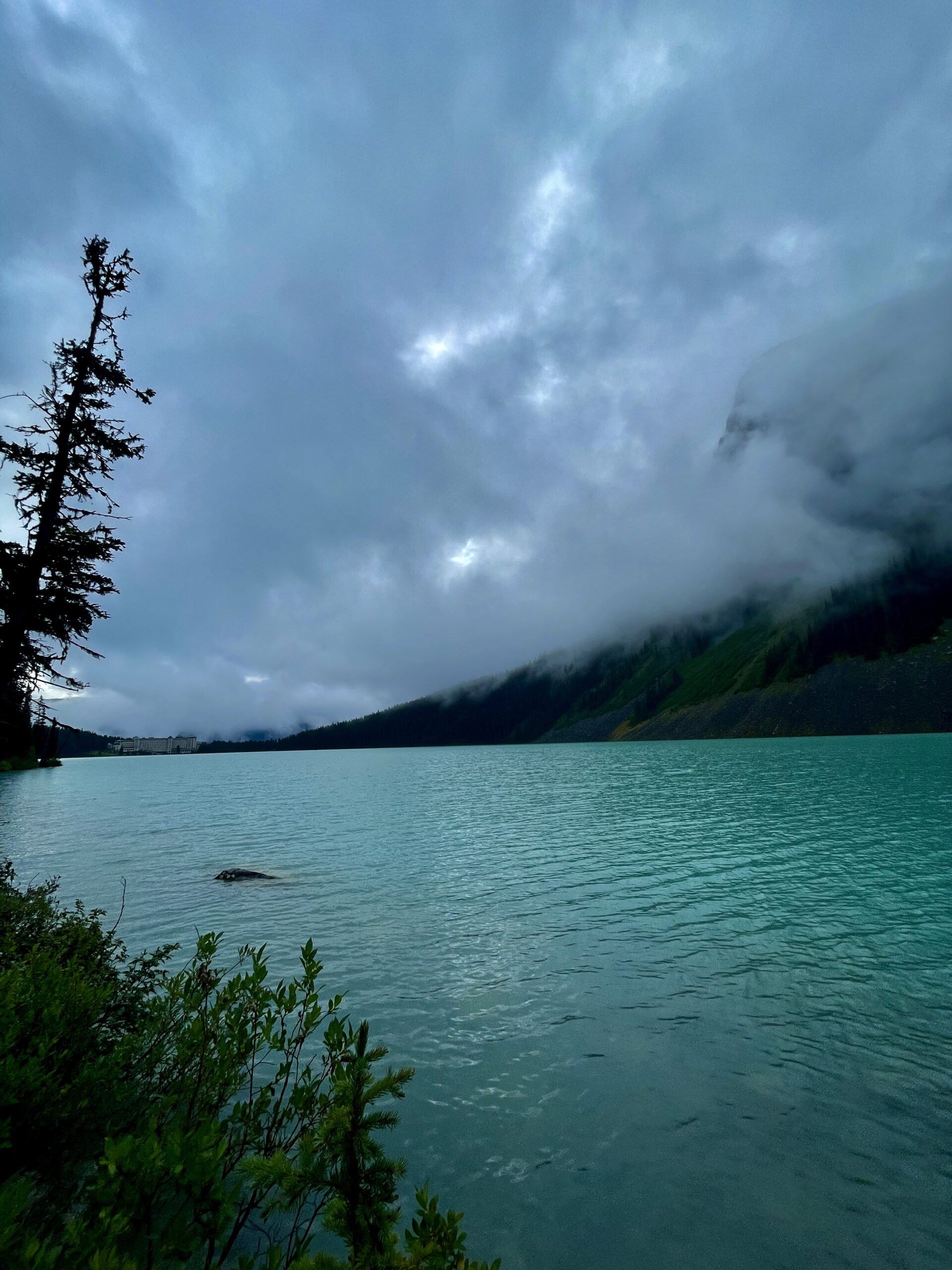
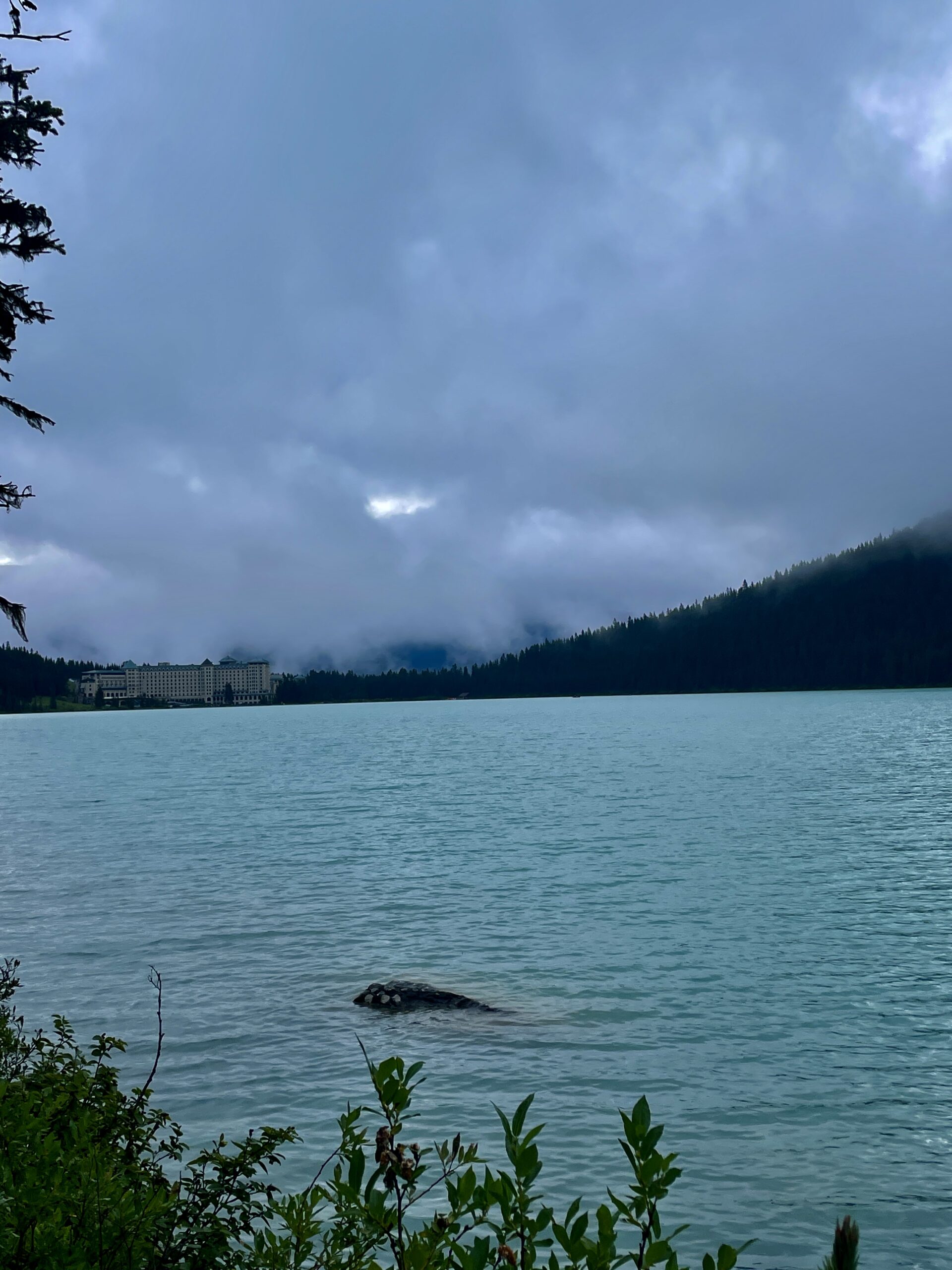
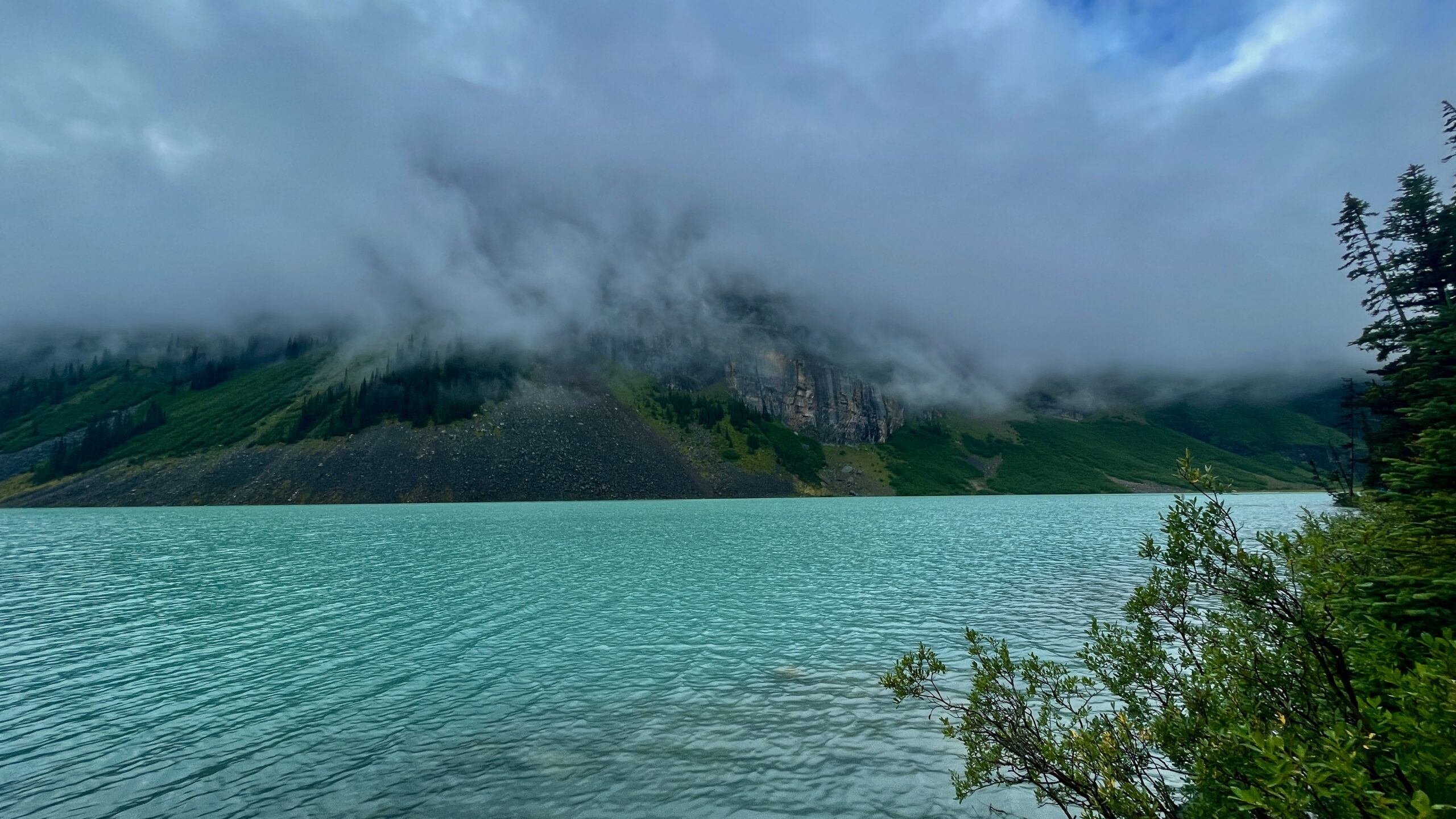
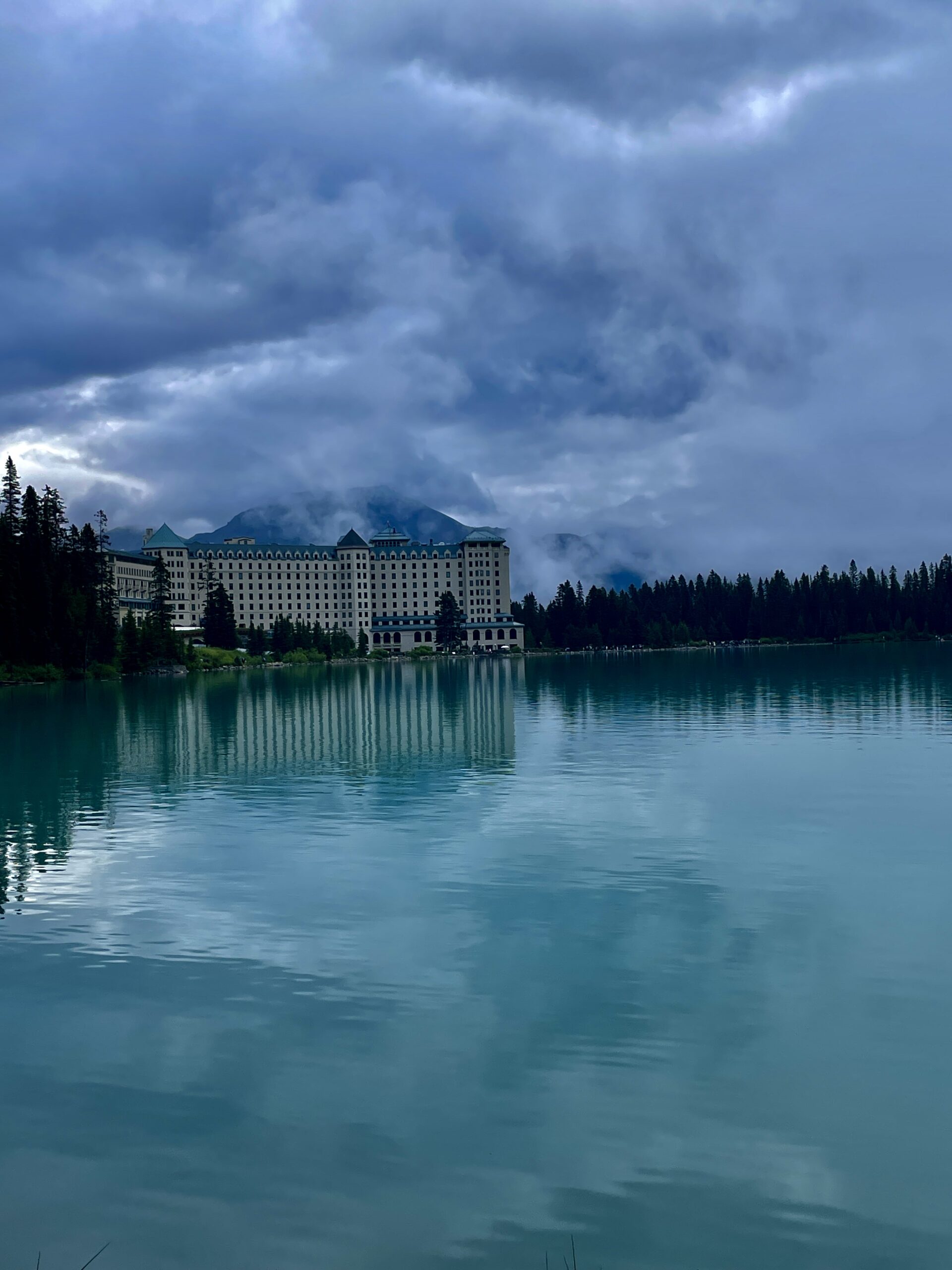
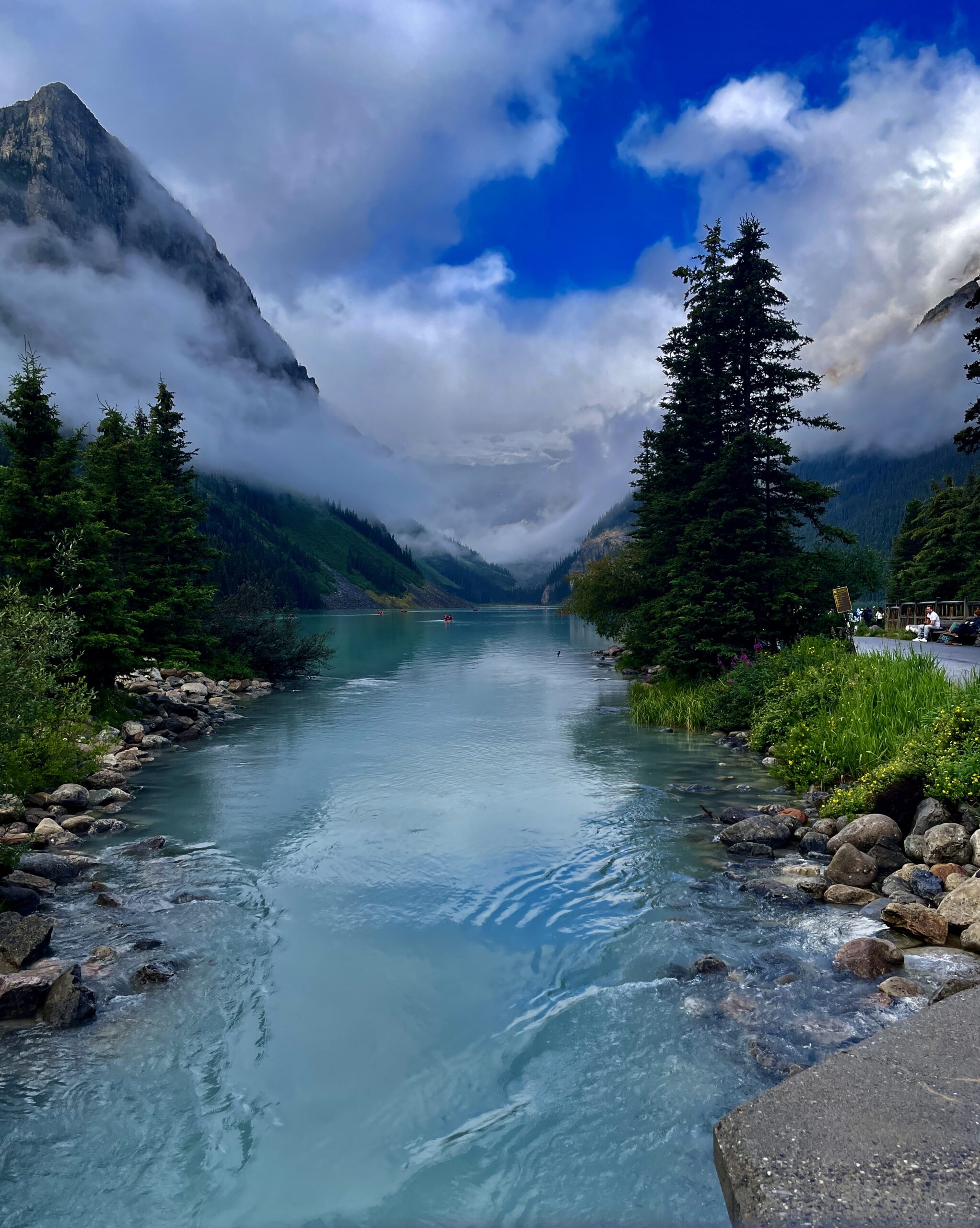
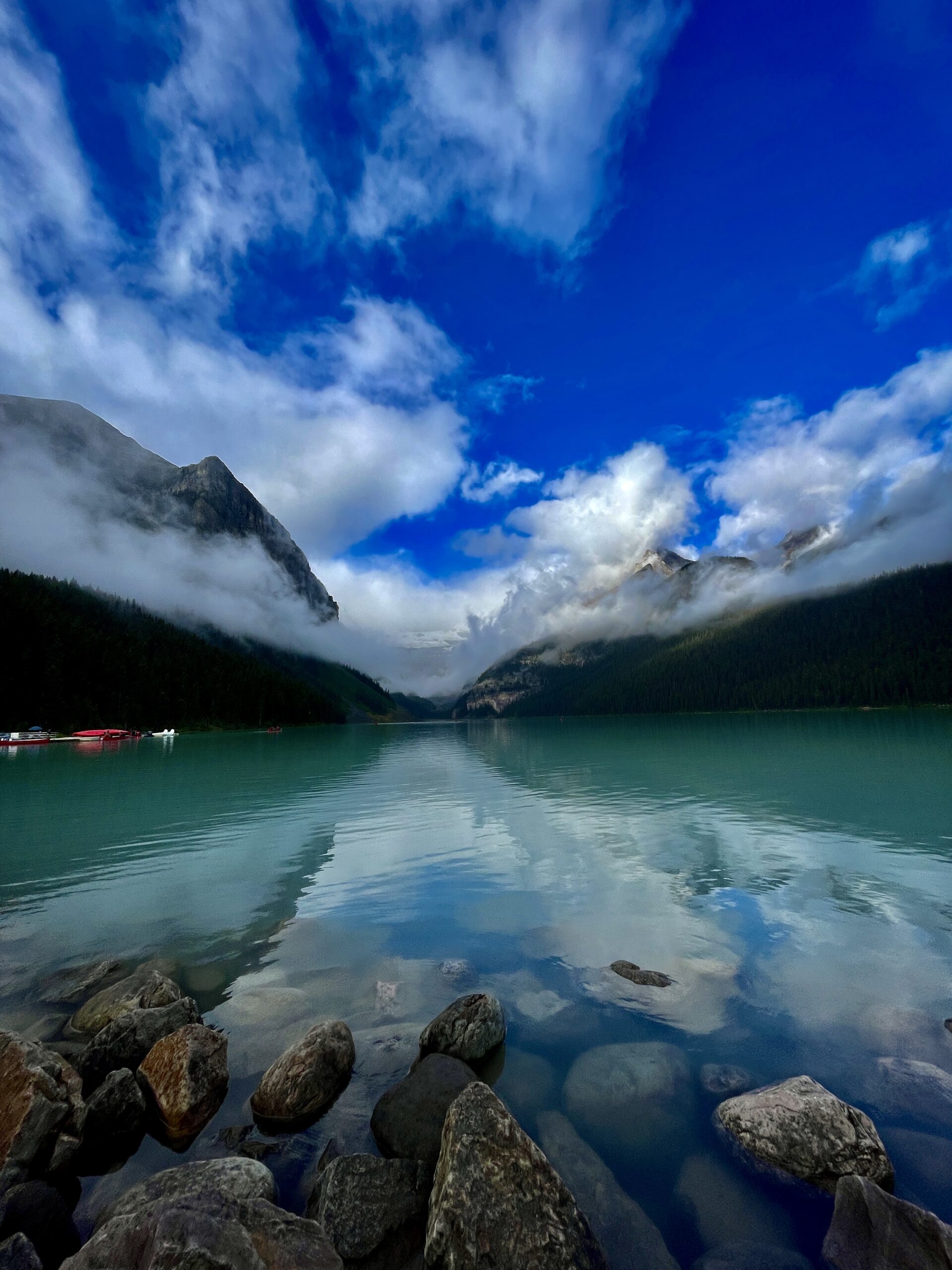
What to do here
Most people’s mistake is to walk fifty metres from the parking lot, take a photo and leave. The lake reveals itself when you go further:
- A shoreline walk. A flat, mostly wheelchair-accessible path runs along the north shore toward the foot of the glacier. At the far end there’s a glacial-silt beach — arguably the best and least-trampled angle on the Chateau and mountains.
- The tea houses — a Lake Louise tradition since 1901. Lake Agnes Tea House is about a 6.8 km round trip; the Plain of Six Glaciers Tea House is longer, roughly 10–13 km with more climbing; that cabin, incidentally, has been run by the same family since 1959. Both are seasonal (about June–September), cash only, and their baking and tea are still packed in by horse. Tip: don’t miss the homemade chocolate cake at Plain of Six Glaciers.
- Fairview Lookout — a short (about 2 km) climb to a viewpoint with a “mirror” view down onto the Chateau.
- Canoeing. Red canoes on turquoise water are the signature shot; you rent them at the boathouse. Be ready for a splurge (around $145–170 an hour for non-guests), and the calmest water is before 10 a.m.
- The Chateau. Even if you’re not staying, you can step into the lobby, and a few restaurants admit outside guests — the “afternoon tea” with scones and bubbly is popular.
- Gondola and horses. The nearby Lake Louise Gondola offers views and decent odds of spotting a grizzly from a distance, and you can even ride horseback up to the tea houses.
Winter is its own story
When the lake freezes (roughly December to March), it becomes perhaps the most picturesque skating rink on the planet — skates are rented at the Chateau. In February the Ice Magic Festival brings illuminated ice sculptures, there are horse-drawn sleigh rides, and ski runs operate nearby. An important safety note: the tea-house trails are dangerous in winter and spring (November to mid-May) because of avalanches — don’t hike them then.
Our experience and tips
We spent a couple of hours there, and even in that short time it was clear why this place is on every bucket list. A few tips from our own experience and observation:
- Clothing. It can be +24 in the valley and a freezing wind up by the tea houses. We saw more than one person in a T-shirt and flip-flops, plainly cold up there. Always bring a warm layer.
- Cash — for the tea houses (no cards).
- Early morning — mirror water, fewer people, and parking still open.
- Wildlife. This is active grizzly country — keep your distance and never feed animals.
- Pack out your trash — the place is under enough pressure already.
What about Moraine Lake?
Nearby Moraine Lake is probably the most-asked-about of all — it’s even more dramatic, set against the famous Valley of the Ten Peaks. But the road there is closed to private cars year-round: you can only reach it by shuttle, and dogs aren’t allowed on it. That’s why we skipped it this time, saving it for a trip without Nika. If you’re travelling without a four-legged companion, definitely pair the two lakes in one day — there’s a handy connector shuttle for exactly that.
When to go
For the turquoise, canoeing and trails, June through October. For mirror shots, sunrise. For skating, sleighs and ice sculptures, winter. If the summer crowds feel like too much, quieter Emerald Lake is nearby.
| Detail | Info |
|---|---|
| Stoney name | “Lake of the Little Fishes” |
| Named | 1884, after Princess Louise |
| Glacier | Victoria Glacier (colour from rock flour) |
| Parking | 2026 — $42/day; fills by 6:00–6:30 a.m. |
| Alternative | Parks Canada shuttle (Park & Ride, reservation), ROAM |
| Trails | Shore (easy), Lake Agnes (~6.8 km), Plain of Six Glaciers (~10–13 km) |
| Winter | Skating, Ice Magic Festival, sleigh rides, skiing |
| Dogs | Allowed, on leash |
| Season | Year-round |
Read next: nearby Emerald Lake, Bow Lake and the whole Winnipeg-to-Banff road trip.