

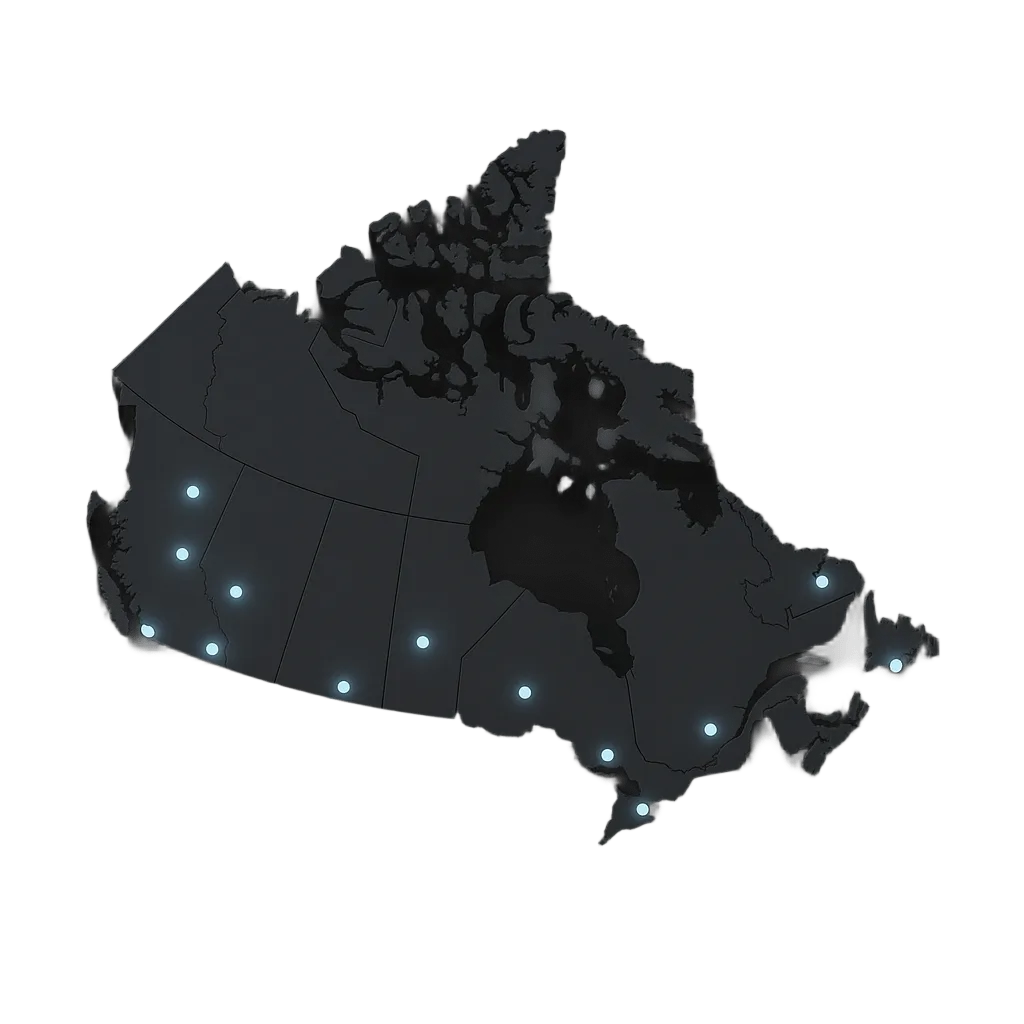

An hour from Winnipeg, on the southeast shore of Lake Manitoba. A giant cottonwood, a kilometre of soft sand, and a French-Métis community that still speaks Michif.
If you are looking for a place in Manitoba where you can spend a quiet evening on a sandy beach next to a living legend of the Canadian prairies — Big Tree Park, in the RM of St. Laurent, belongs on your list. This small park on the southeast shore of Lake Manitoba combines what rarely comes together: a genuinely old tree, a great sunset, and a French-Métis history you can feel at every step.
To see what our specific Friday evening here looked like, read our Big Tree Park evening story. This post is about the place itself.
Where It Is and How to Get There
Big Tree Park sits in the RM of St. Laurent — about 70 km and an hour northwest of Winnipeg. The park itself is right beside Sandpiper Beach. The route is simple: Highway 6 north, then onto St. Laurent Veterans Memorial Rd, then west on Allard Road, and you are there.
Nearby are Twin Lakes Beach and Meindl Park, so if you want to make a beach-hopping day of it, the area cooperates. If you like the format of “two small towns in one day,” this stretch pairs naturally with Selkirk, closer to Lake Winnipeg.
The Tree People Come For
The headliner of the park is a giant cottonwood that, according to the municipality, is over 325 years old. That number is on the official signs and on Interlake Tourism’s site. I’ll be honest with you: for a cottonwood, that is a lot — most live 100-150 years, rarely 250+. Whether the tree is really exactly 325 or that is a friendly rounding of local legend is a question only a dendrochronologist could answer. But one thing is certain: it is very old, very big, and stands like it knows what it has seen.
The trunk is so massive that you cannot put your arms around it alone. That is the favourite photo spot for visitors — stand next to it, and the scale becomes obvious. The tree sits right in the middle of the park; you see it the moment you enter.
It has watched the fur trade, the formation of the Métis community, the first farms, two world wars — and even survived the devastating 2011 flood of Lake Manitoba, which changed the shoreline and erased most of what was on the beach. The tree stood.
Sandpiper Beach
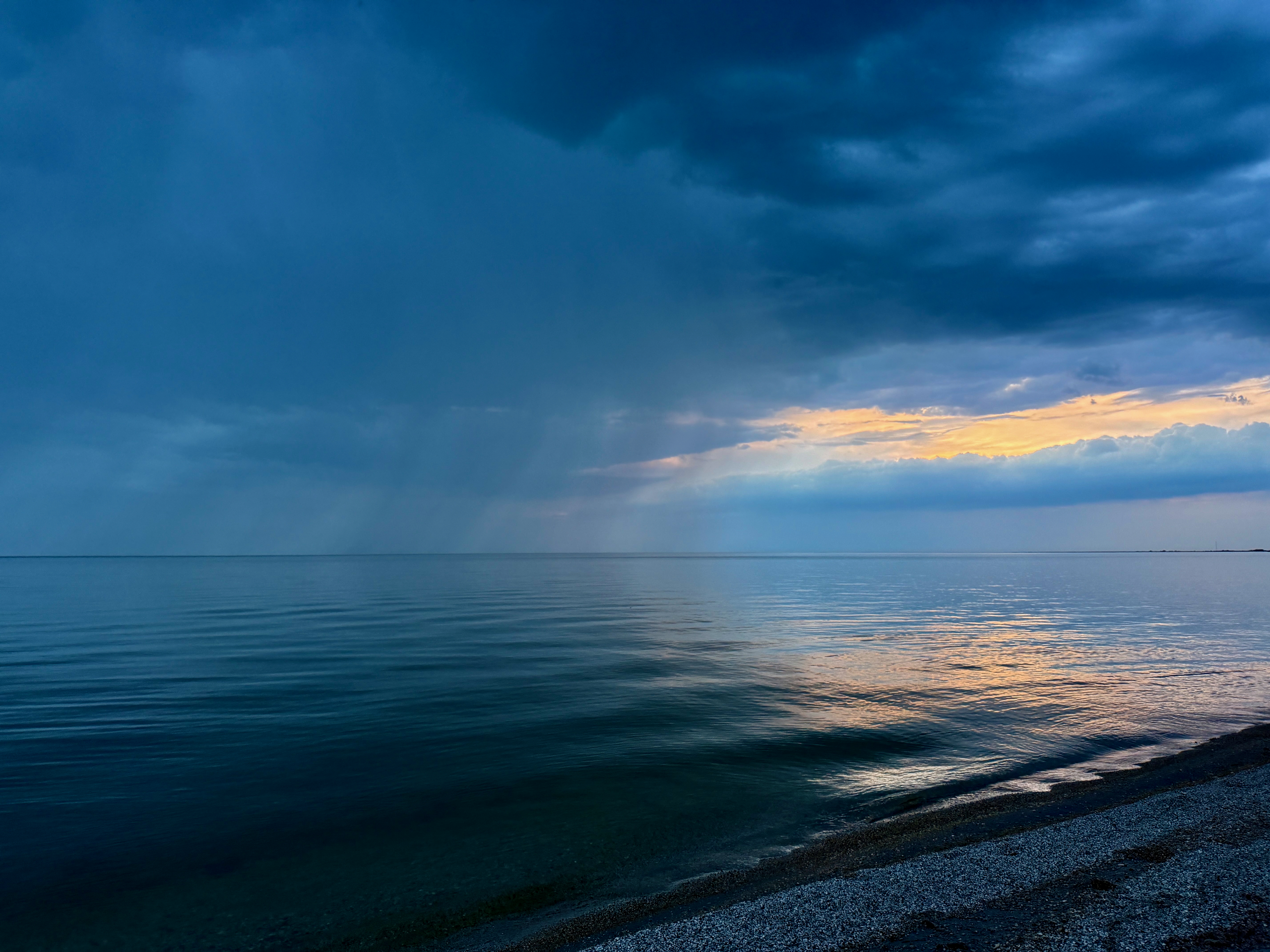
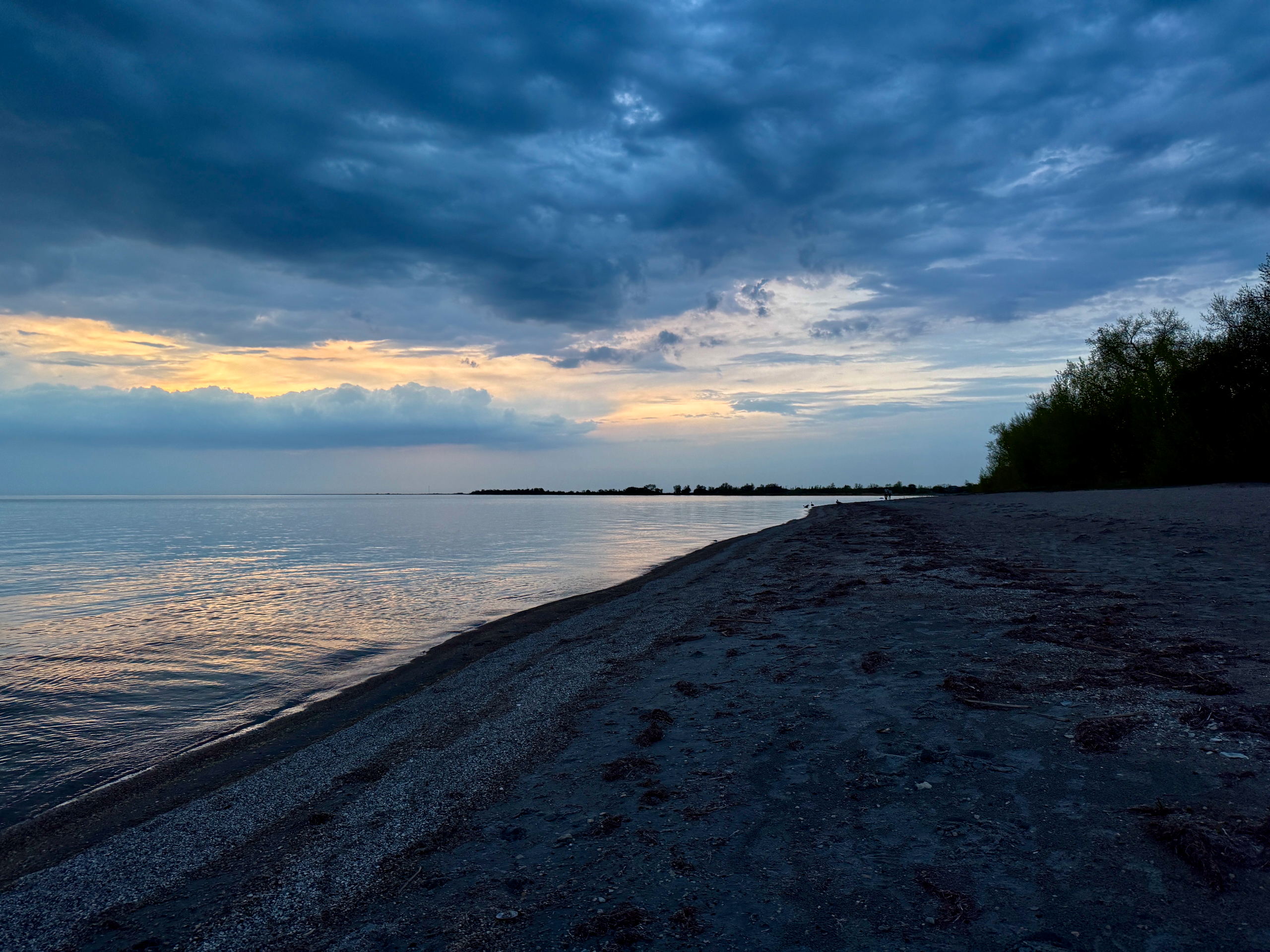
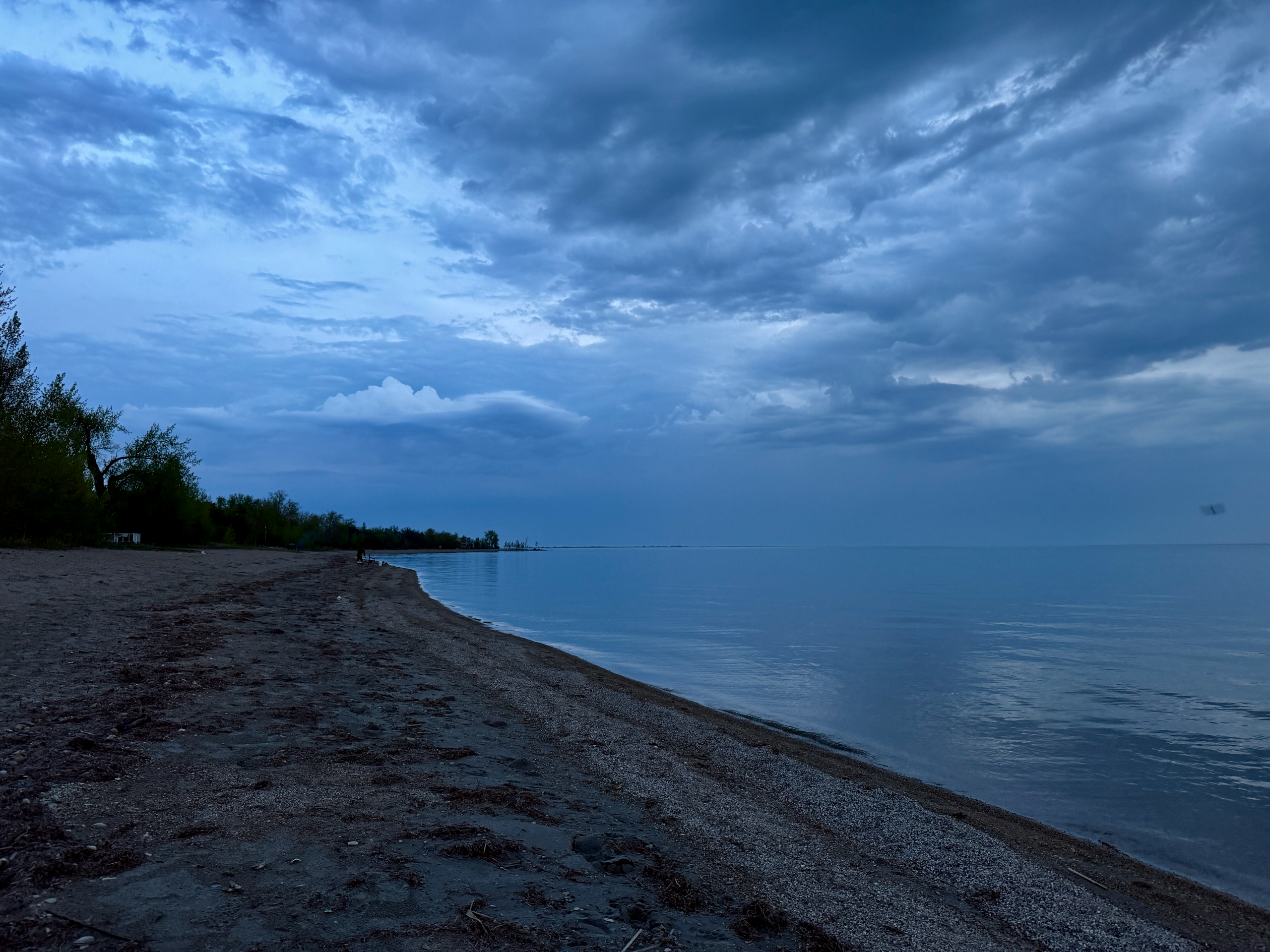
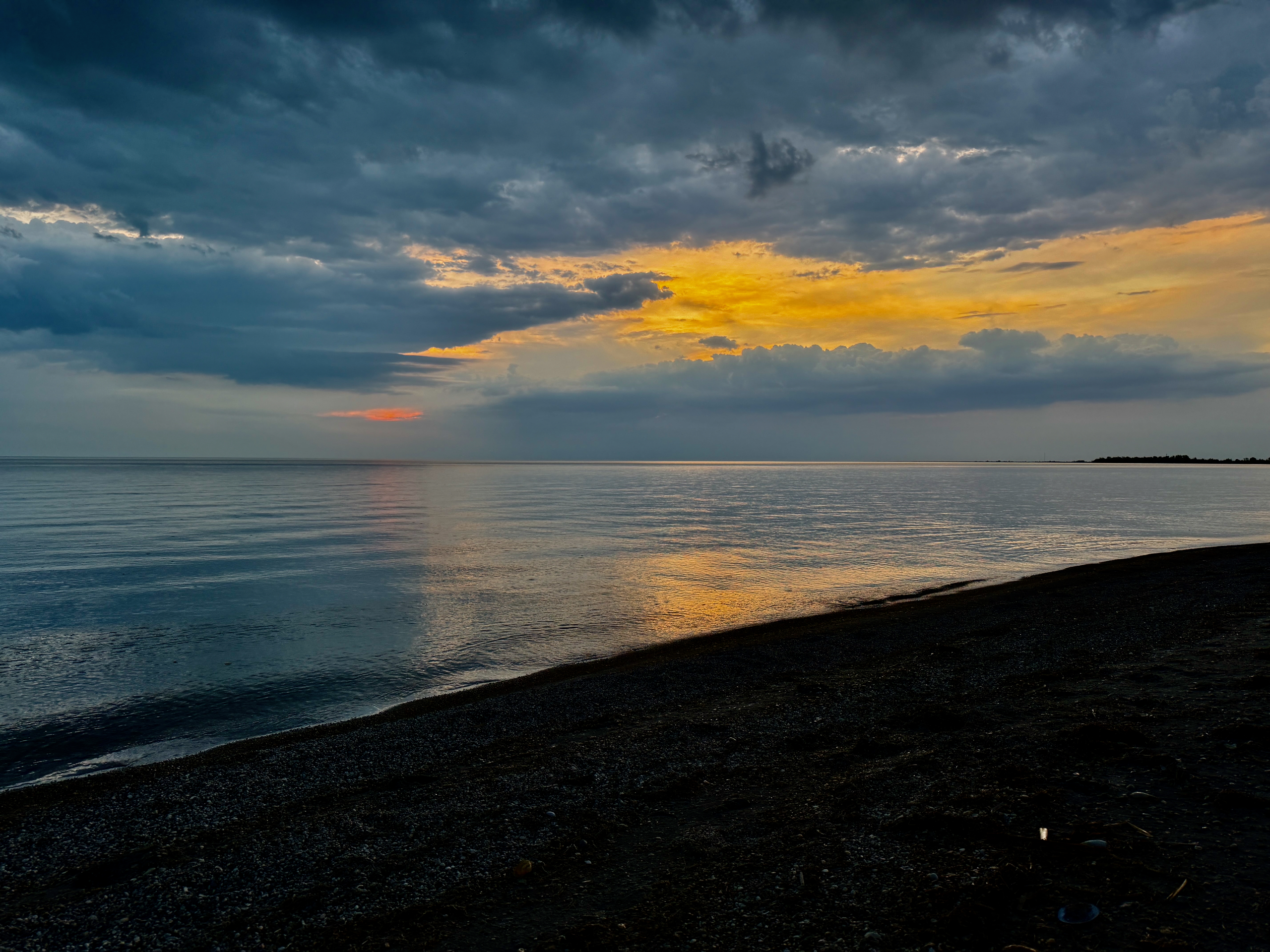
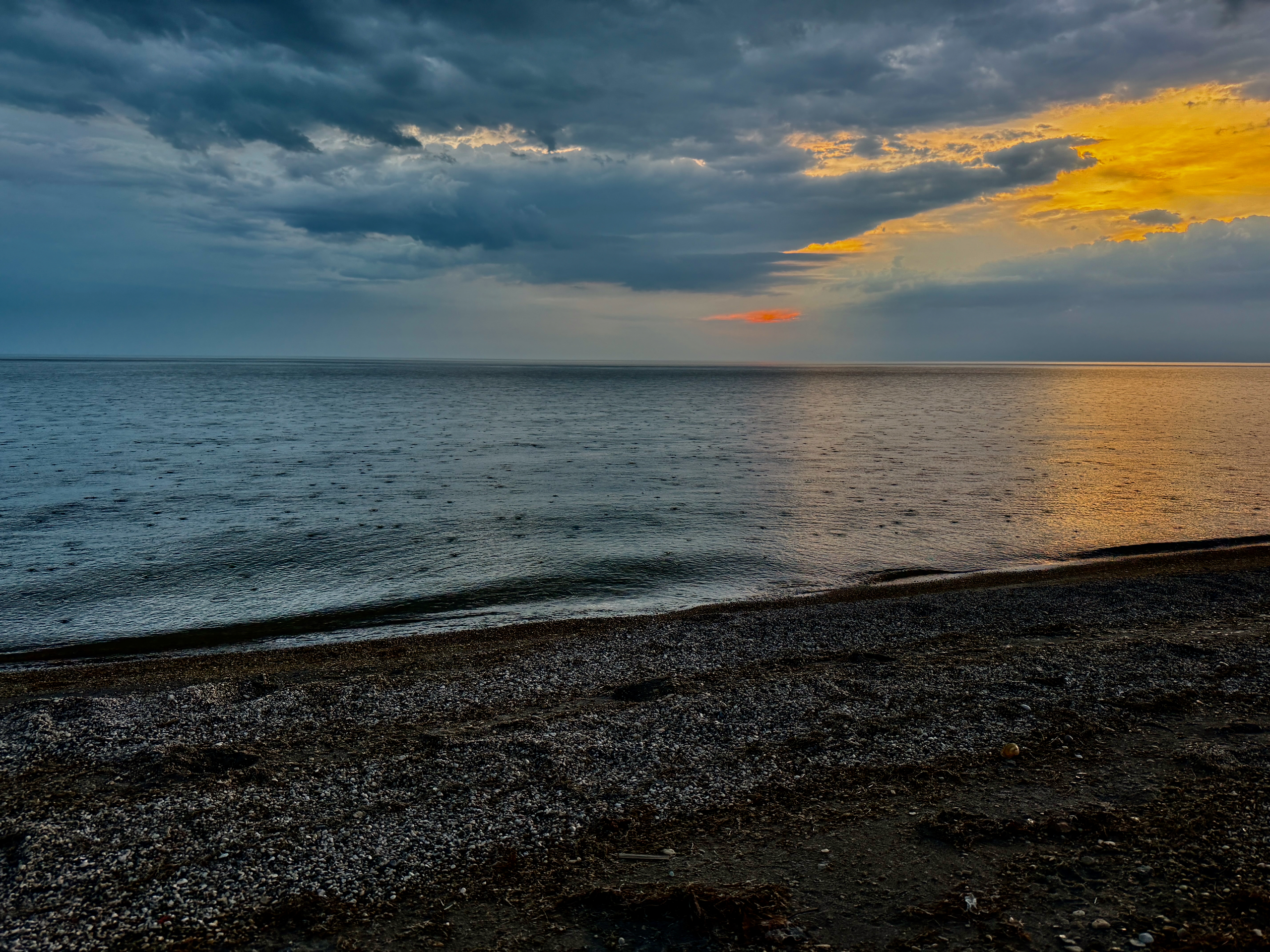
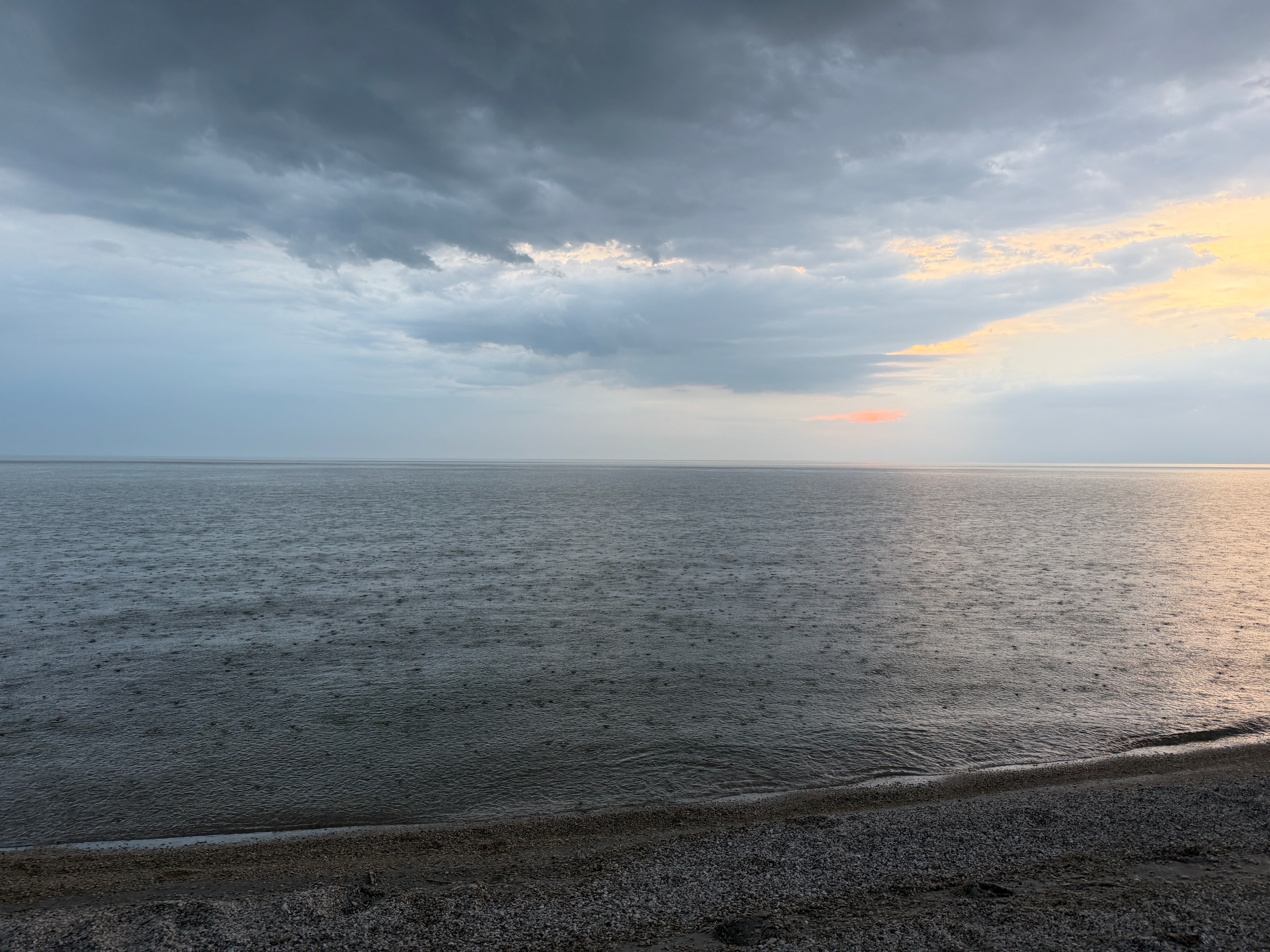
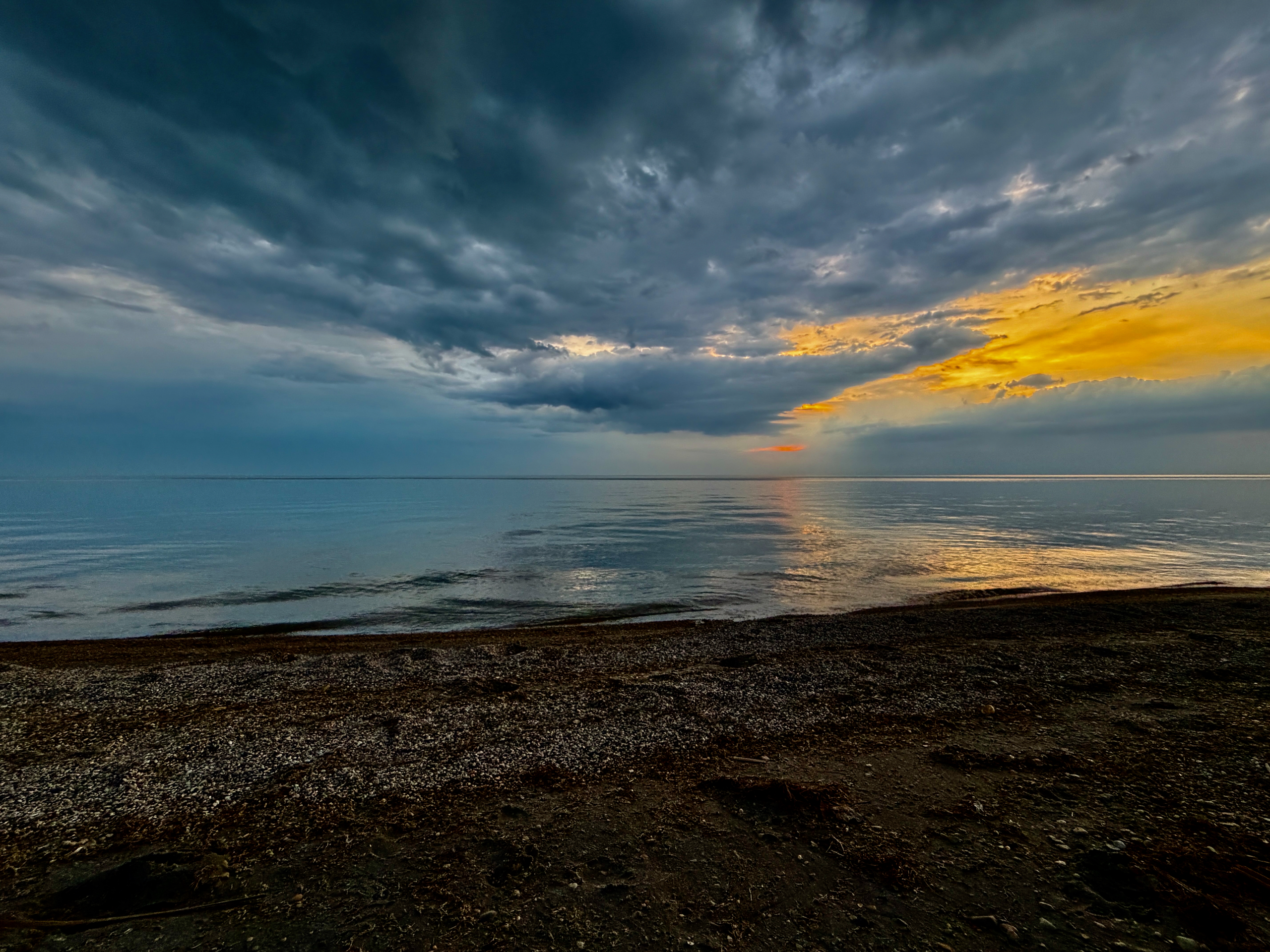
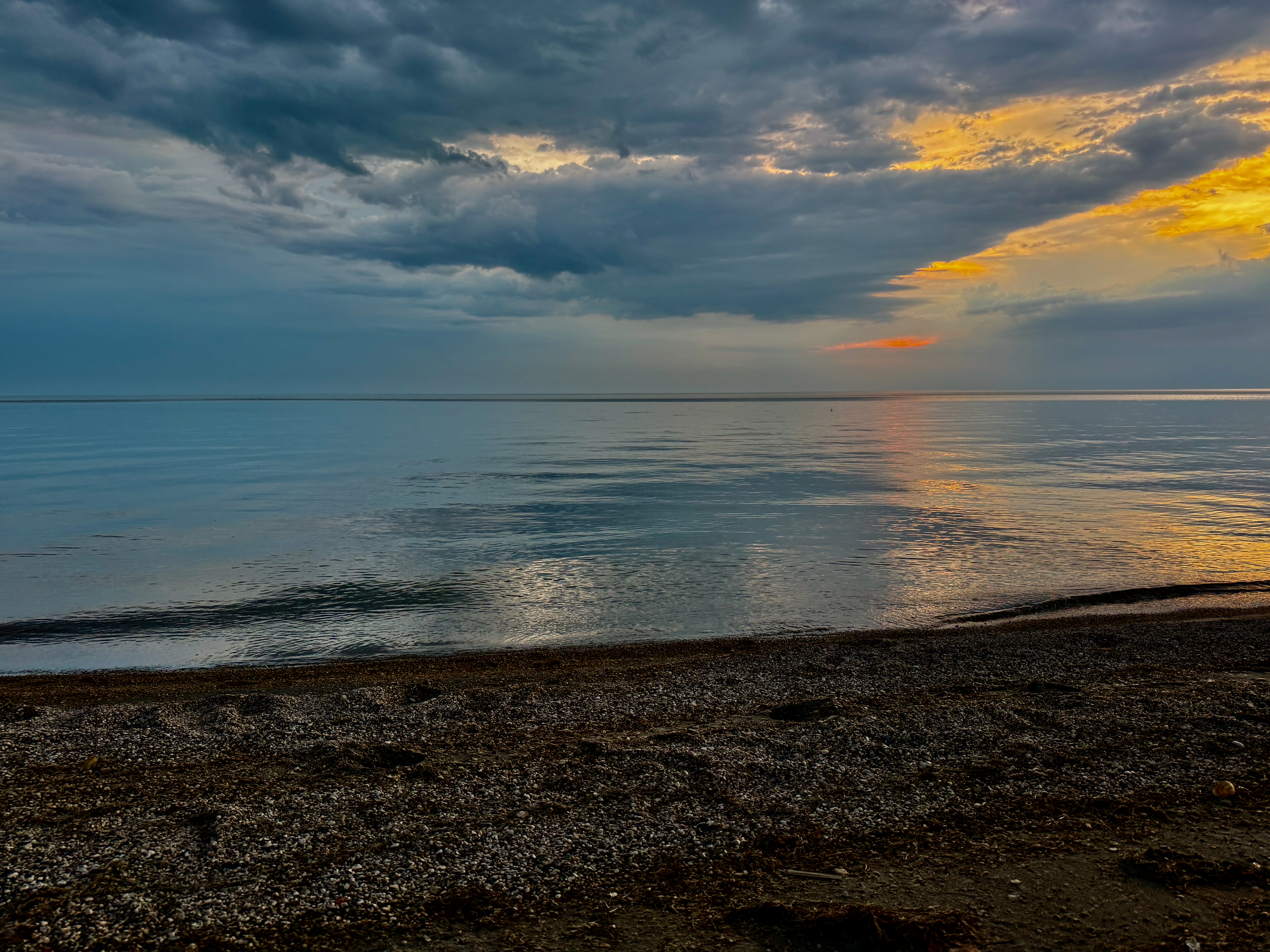
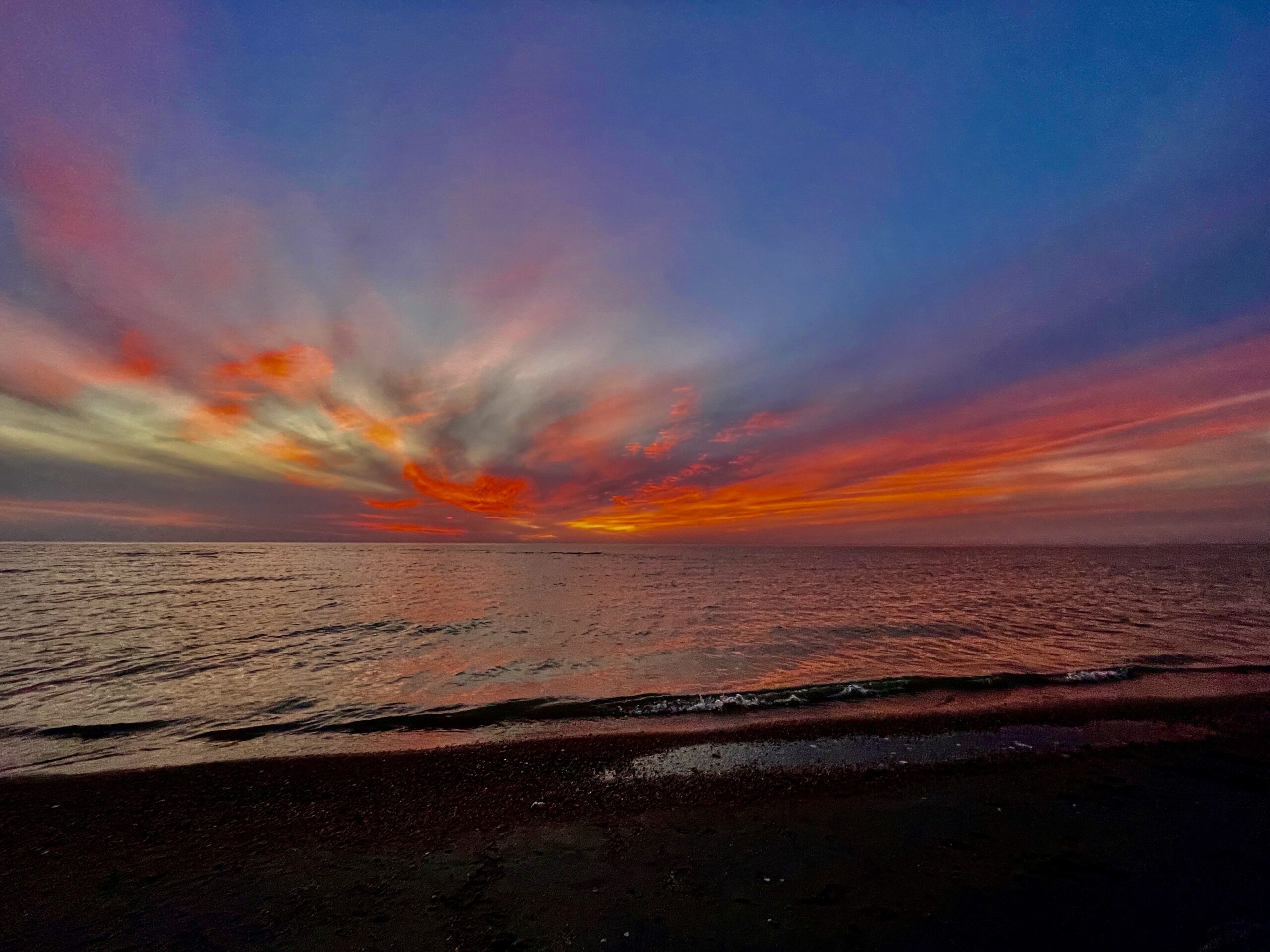
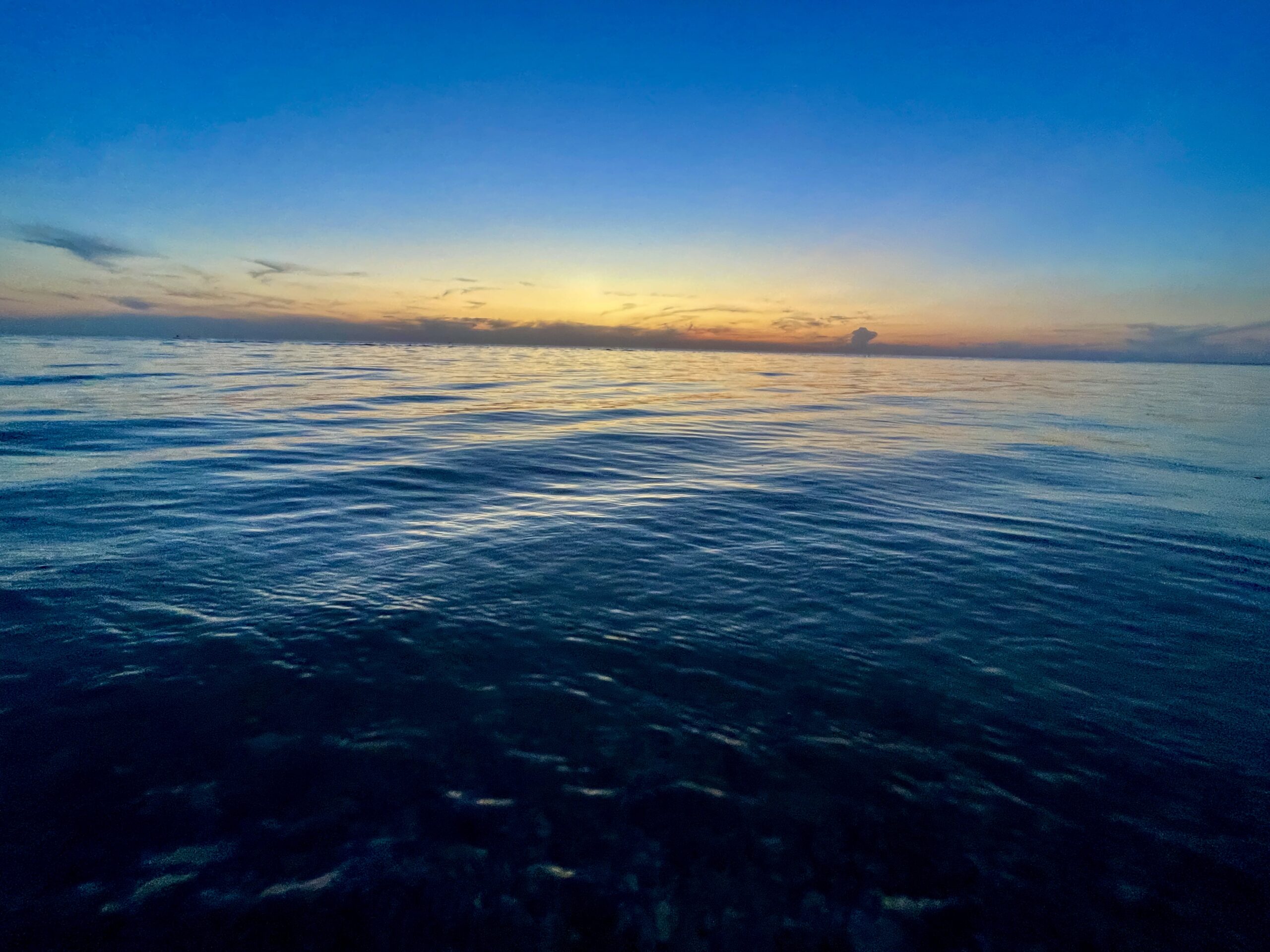
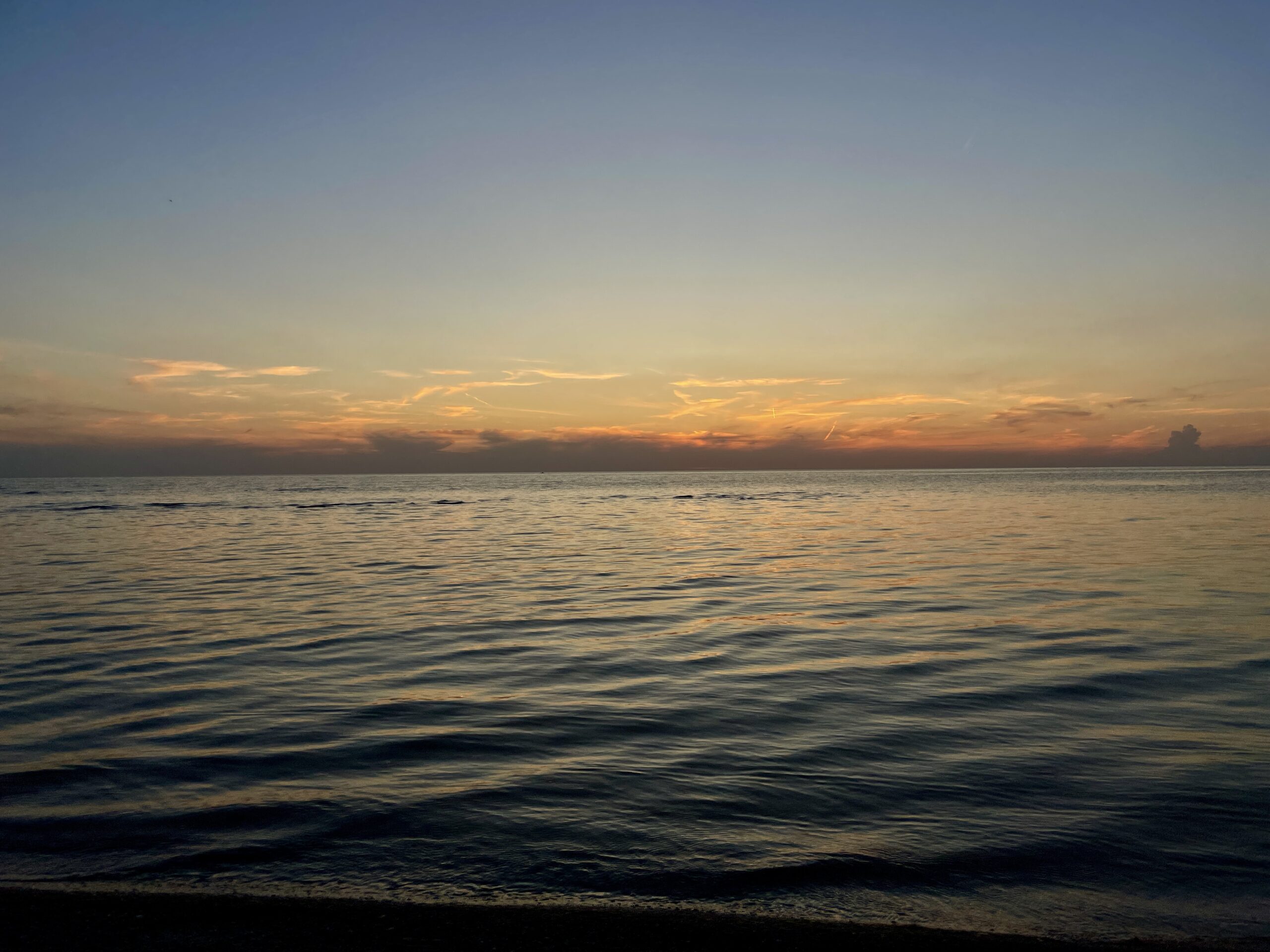
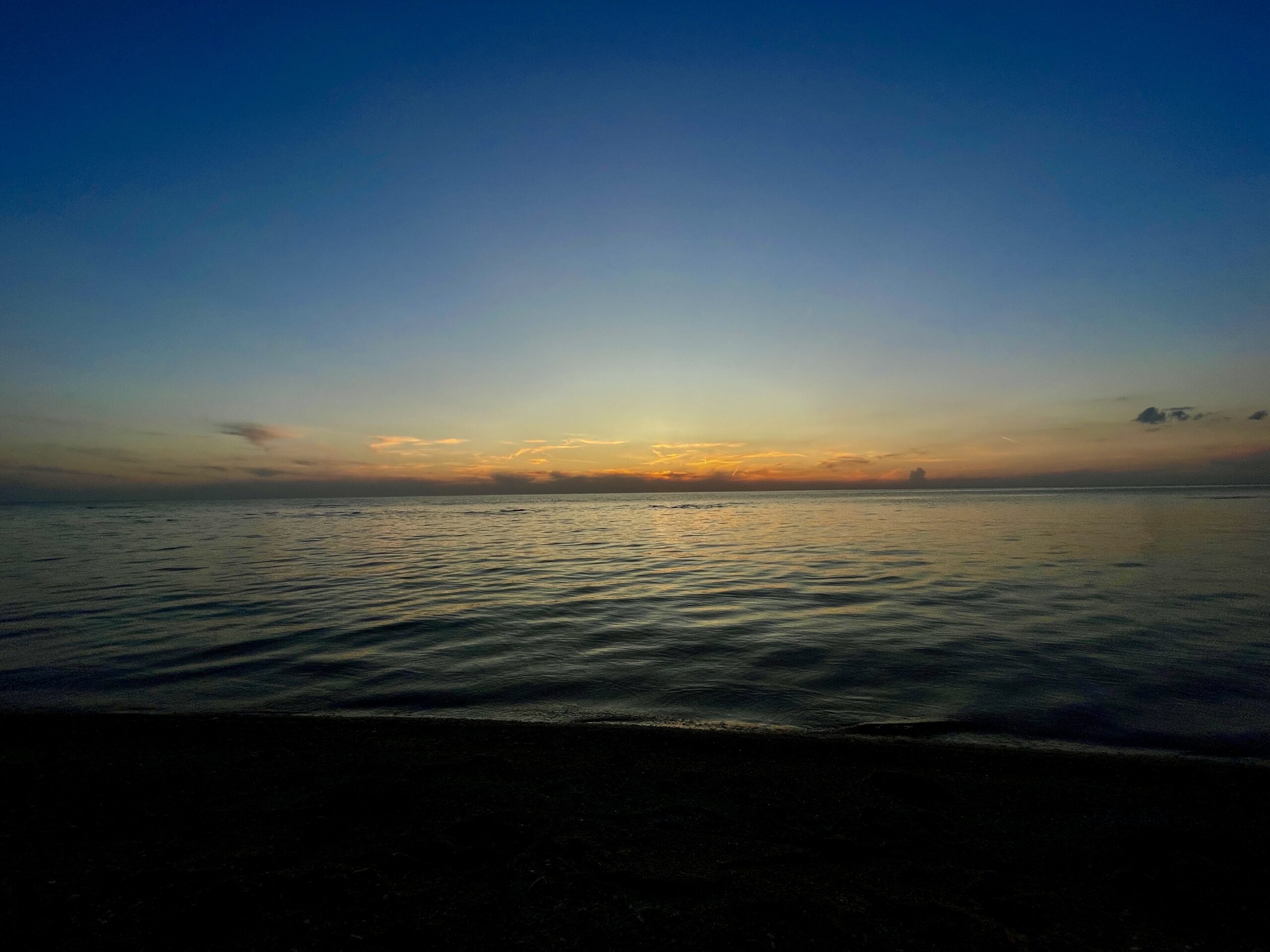
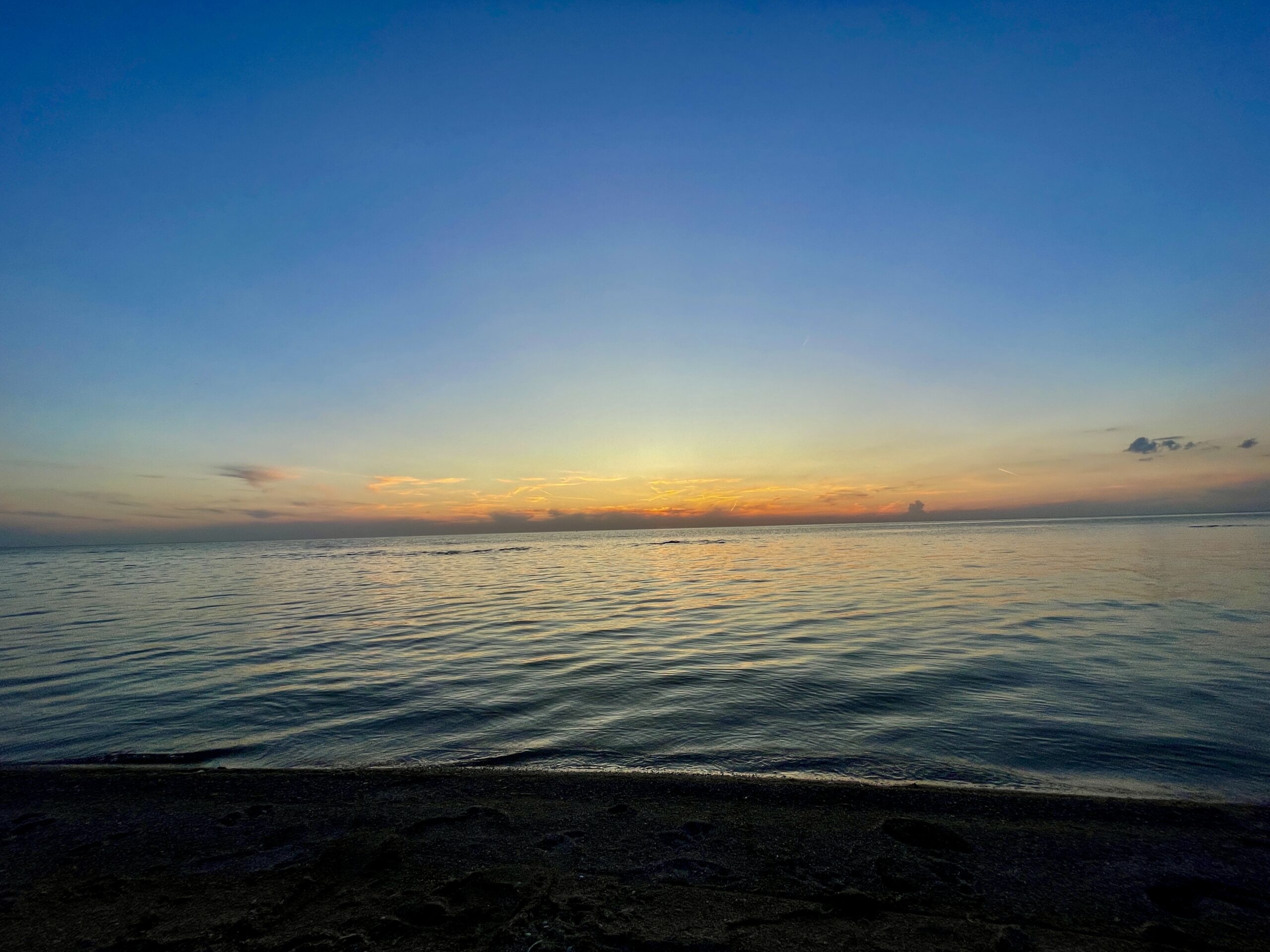
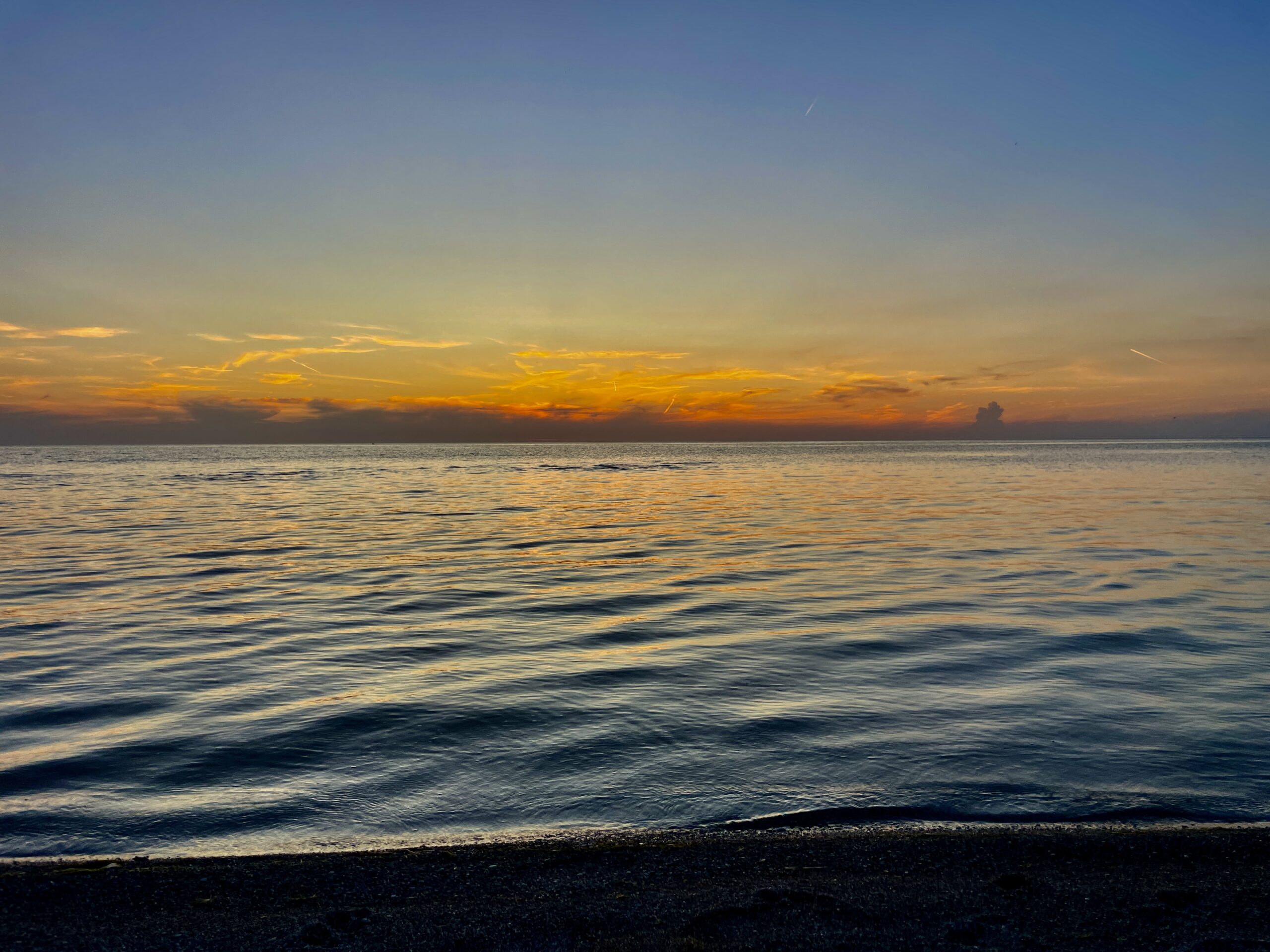
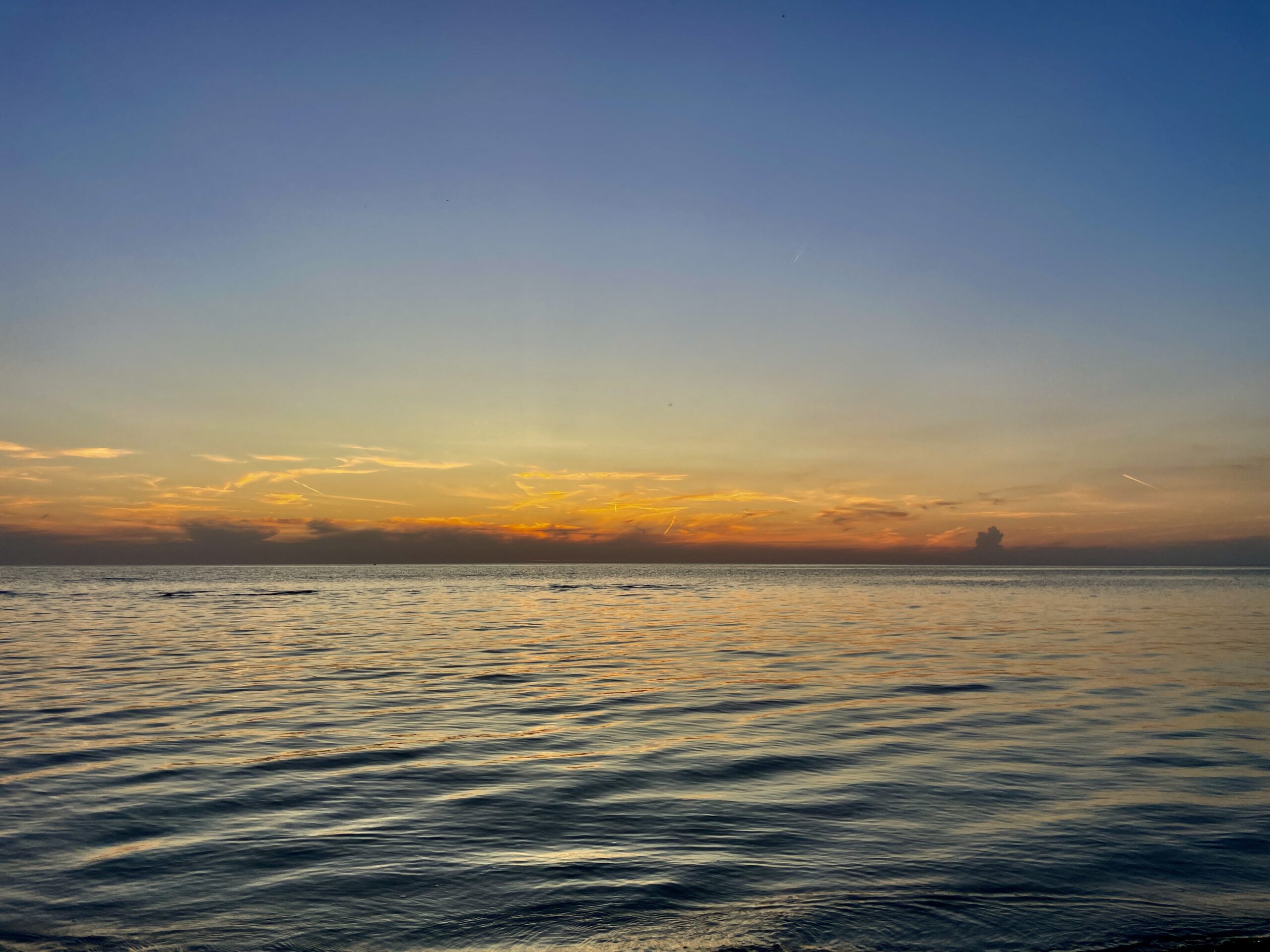
Sandpiper Beach is one of Manitoba’s most underrated sandy beaches. Soft pale sand, a gentle slope into the water, shallow zones that warm up nicely in summer — it’s ideal for families with kids. The bottom is sandy, no stones. And the sunset over Lake Manitoba is its own attraction, worth staying for.
The shore stretches over a kilometre, so even on busier days, finding your spot is easy. Infrastructure is minimal — a few benches, picnic areas, parking. This is not a resort beach with umbrellas and loungers, it is just a shore. That is the appeal.
Right next to the park is the Portuguese Association of Manitoba campground, which has been running here for over 25 years — so if you want to stay overnight, the option exists.
The French-Métis Heritage of St. Laurent
The bilingual name — Big Tree Park in English and Parc Gros Arbre in French — is not an accident. St. Laurent is one of the few predominantly Métis settlements still surviving in Manitoba. You can still hear a mix of French, English, and Michif here — the traditional Métis language, which is fading almost everywhere else in Canada.
The community started forming in 1824, when Métis fishing families relocated here from Pembina. The St. Laurent parish was founded in 1858 by Father Charles Camper of the Oblates of Mary Immaculate (OMI) — and that is where the town’s name comes from.
Here is a detail worth noticing: St. Laurent has no central square, and the land is cut into long strips running back from the lakeshore. This is a legacy of the seigneurial system of New France — if you look at St. Laurent on a satellite map, this historical logic of land division jumps out immediately. Very few places in Canada were laid out this way, which is why the town does not look like a typical Canadian grid.
The Manipogo Festival and the Lake Legend
If you are curious about local colour — in March, the town hosts the Manipogo Festival, marking the end of the ice fishing season. It is named after Manipogo, Manitoba’s “cousin” of the Loch Ness Monster, allegedly seen many times in these very waters.
The name “Manipogo” appeared in 1960 — an echo of Ogopogo, the legendary creature of Okanagan Lake in British Columbia. It is described as a serpentine creature 4-15 metres long with a dark brown body and humps showing above the water. The first documented sighting by white settlers was in 1909, but Indigenous legends of serpent-like creatures in Lake Manitoba go back hundreds of years.
Skeptics suggest it may be a large lake sturgeon (and Lake Manitoba sturgeon really do grow to 2.5 metres and over 130 kg), a swimming moose, or an optical effect. Locals respond: maybe. But St. Laurent without Manipogo would be a little less itself.
The March festival is not a tourist attraction — it is a real local celebration with Métis cuisine, traditional games (like the card game Charlemagne), a hockey tournament, and dancing. It is the place to come if you want to see an authentic Canadian community in its element.
The Paid Entry Question
In 2021, the municipality passed a controversial bylaw requiring non-residents to pay for park entry: $10 per car with a driver, plus $5 per additional passenger. The decision sparked protests — hundreds of local residents demonstrated in the park itself, since for many it meant paying for access to something they had used freely for decades.
In practice today, entry is often free — especially on weekdays or outside peak hours. The booth at the main entrance is often unmanned. But the bylaw formally applies, and during peak hours someone may be there. Worth checking the current status on the municipality’s site (rmstlaurent.com) before you go — local rules have changed a few times in recent years.
When to Go
June through August — peak season. Warm water, soft sand, active beach life. Sunset is the best part of the day.
May and September — fewer people, but the water is either still or already cold. Atmospheric, but swimming is no longer for everyone.
Winter — the beach is buried in snow, the tree stands bare, and the park goes quiet. You can see ice fishing on the lake — the same scene we wrote about in our winter Selkirk story.
Useful Details
- Best time: June–August, evening for the sunset
- What to bring: blanket or chairs, bug spray, water — infrastructure is minimal
- For kids: the shallows and soft sand make this one of the most comfortable beaches in the region
- Signal: cell works, but do not expect fast internet
- Nearby: Twin Lakes Beach, Meindl Park, Manipogo Golf & Country Club
- For the drive home: stop at MTT Food and Gas Bar (450 MB-6) — we have tested it
Quick Reference
| What | Details |
|---|---|
| Address | Allard Road, RM of St. Laurent, MB |
| Distance from Winnipeg | ~70 km on Highway 6 |
| Drive time | ~1 hour |
| Entry | bylaw $10/$5 non-residents, often unenforced |
| Beach season | June–September |
| Park open | year-round |
| Famous for | 325+ year-old cottonwood (claimed), sunset |
| Dog-friendly | yes |
| Nearby | Twin Lakes Beach, Meindl Park |
Why It’s Worth It
Big Tree Park is the kind of place you come to for quiet, space, and the sense that time moves more slowly here. Three hundred and twenty-five years of a single cottonwood (rounded or not) explain that well enough. If you are exploring the Interlake region of Manitoba — put Parc Gros Arbre on your list. You will not regret it.
And if you want to see what our actual evening here looked like, read our Big Tree Park evening story. If you like the format of these short unplanned trips, we wrote about the forty-minute rule — even though this one is a bit longer.