


A trail can close overnight — because a mother bear with cubs moved onto it. In the Rockies, bears aren’t exotic; they’re neighbours, so a little preparation will save you both nerves and, possibly, your health.
When we planned our Winnipeg-to-Banff road trip, one of the first items on the list was bear spray — and that’s not paranoia, it’s the norm here. But the canister is only part of the story. Far more important is understanding how bears behave, how to read the official advisories, and what to do if an encounter happens anyway. We put this article together as exactly the kind of practical cheat sheet we’d want on hand ourselves.
Summer is peak season — for visitors and bears alike
Seasonality matters. Bears emerge from hibernation around April, hungry, and from midsummer the berry season kicks in, when they feed hard before the next winter. That’s why July to September is peak not just for tourist traffic but for bear activity — and the two peaks overlap. Glance at the current Banff reports at the height of summer and you’ll see a whole string of active warnings and closures — from campgrounds around Lake Minnewanka to Kananaskis trails where grizzlies with cubs have appeared. Add that bears are most active at dawn and dusk, and it’s clear why this is the season to be especially alert.
What a “bear report” is and how to read it
Bear reports are regular summaries of bear activity in specific parks and the restrictions that go with it. They’re usually colour-coded, and it helps to know what each means:
- 🔴 Closure — the area is off-limits. Full stop. Violations carry fines and, more importantly, real danger.
- 🟠 Camping restriction — for example, only hard-sided units or trailers are allowed and tents are banned, because bears are approaching people.
- 🟡 Warning — the area is open, but a bear is active nearby; be extremely careful, make noise, stay in a group.
- 🟣 Seasonal measure — planned restrictions (such as no off-trail travel, or a requirement to hike in groups of four) for the whole season to protect grizzly habitat.
Where to get current information
The golden rule: check the reports the day before and the day of your hike, because things change within days. Reliable sources:
- The Banff Guide on Facebook — handy consolidated bear reports for Banff, Kananaskis and neighbouring parks, updated twice a week (every Wednesday and Saturday). We highly recommend following it before your trip.
- Safe travel in bear country — Parks Canada — the official rules of behaviour, plus bulletins on trail closures in Banff, Yoho, Kootenay and Jasper.
- Alberta Parks — official advisories for Kananaskis (which isn’t part of the national parks, so its reports are separate).
- WildSmart (Biosphere Institute of the Bow Valley) — a local Bow Valley bear report.
- Trailhead signs — the freshest source of all: if there’s a warning posted at the trailhead, take it seriously.
Closure, restriction, warning — what you can and can’t do
In short: a closure means “don’t enter” — no “just a quick look” exceptions. A camping restriction usually means no tents, only hard-sided trailers. A warning means the area is open but you enter at your own risk and must be as careful as possible. Seasonal measures often require hiking in groups of four and staying on the trail. Don’t treat any of it as bureaucracy: behind every line there’s a specific bear and a specific incident.
Core rules to avoid an encounter
The best strategy is not to meet a bear at all. Here’s the basics recommended by Parks Canada and local agencies:
- Bear spray — always on you, on a hip or chest holster (not in your pack!), and know how to use it. It works at close range (roughly under 10 metres), but wind, rain, cold and shelf life all affect the outcome.
- Make noise. Talk, sing, clap — especially near streams, in dense brush and at blind corners. Parks Canada does NOT recommend “bear bells”: to a bear that’s just background noise.
- Travel in a group. Groups of four or more have far fewer serious incidents. Never let children wander ahead.
- Daylight and on-trail. Bears are more active at dawn and dusk; stick to marked trails and don’t wear earbuds.
- Keep a clean camp. Store food, garbage and anything scented (even cosmetics and bug spray) in lockers or your vehicle, away from the tent.
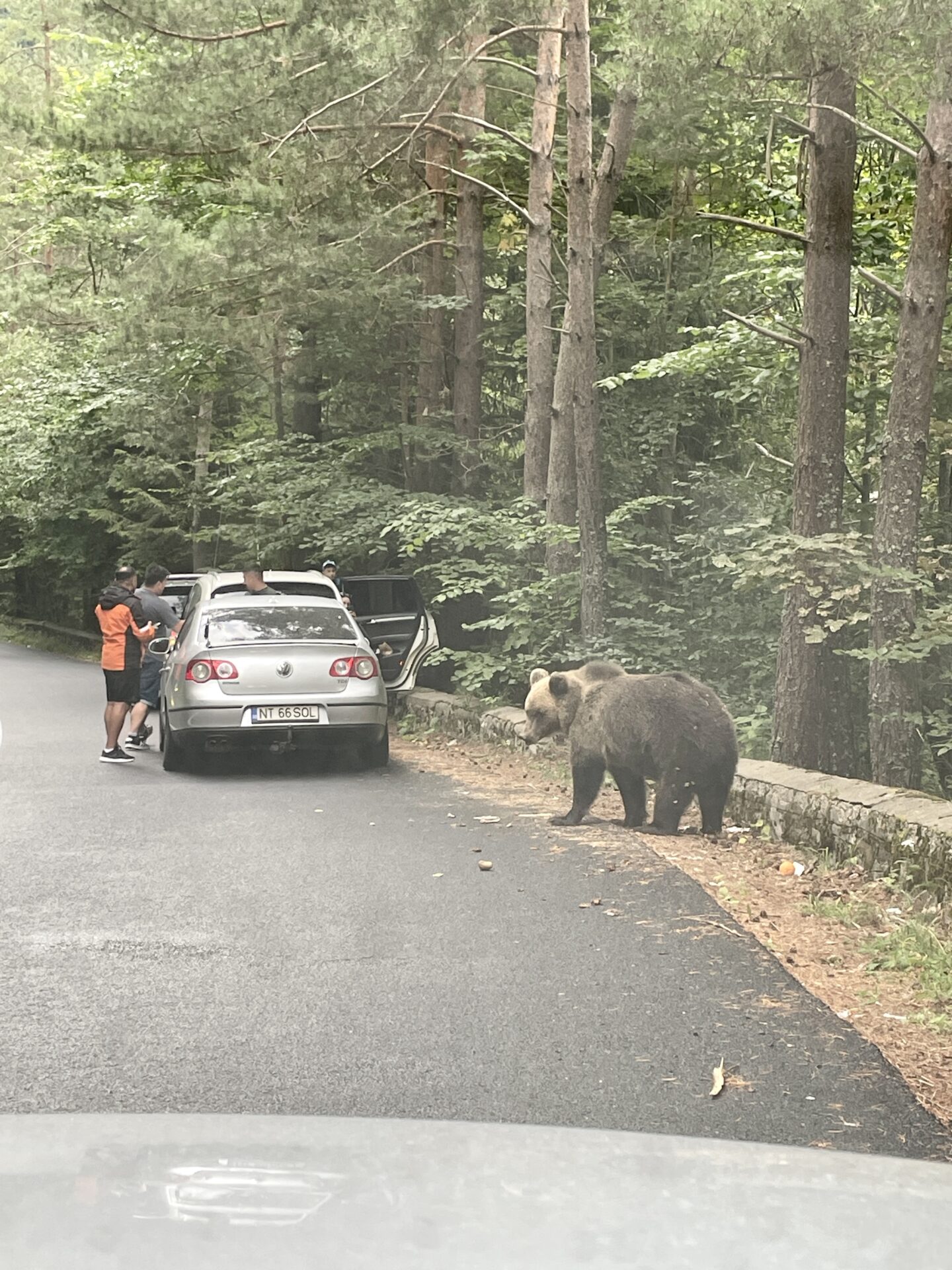
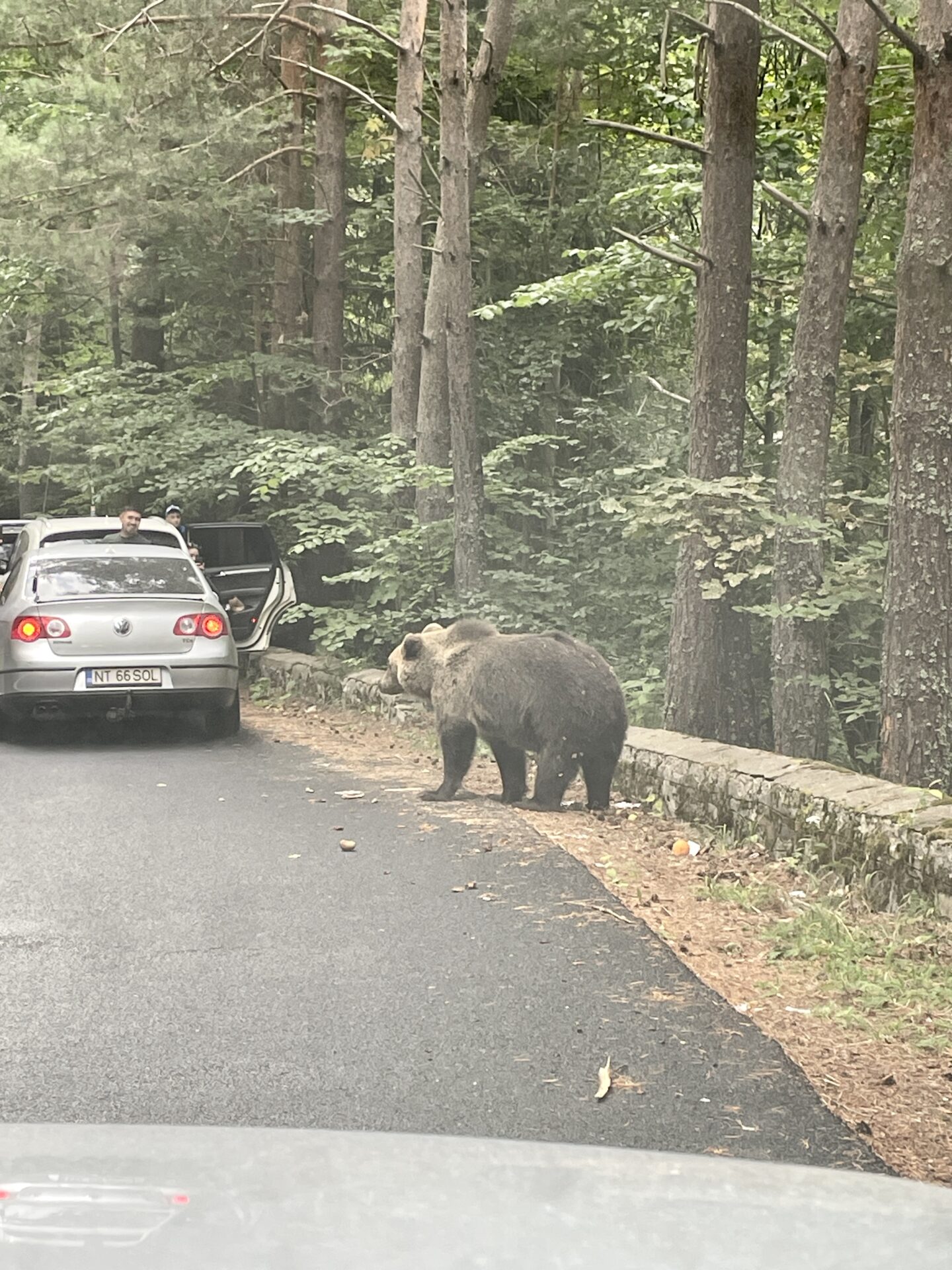
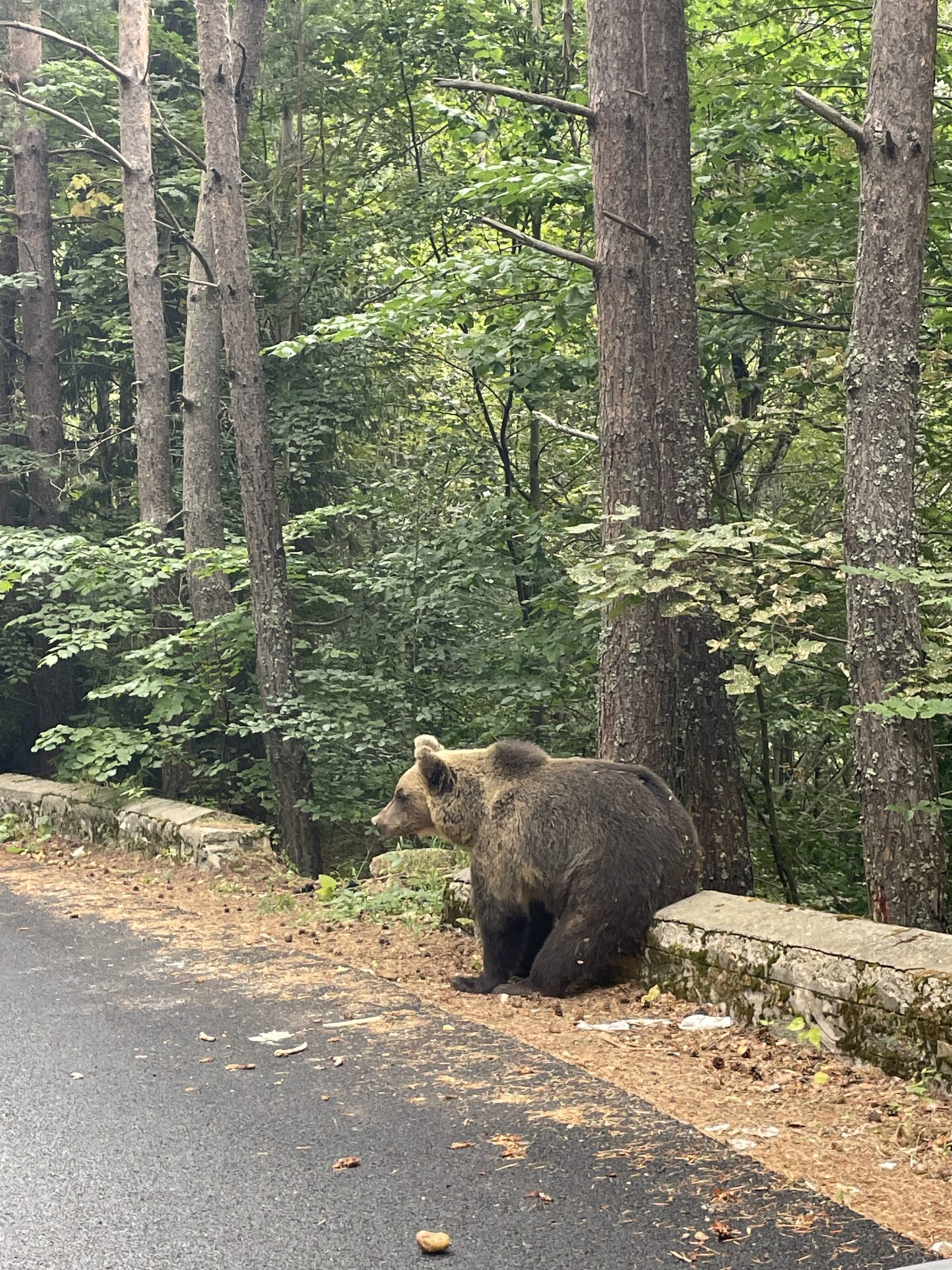
Dogs and bears
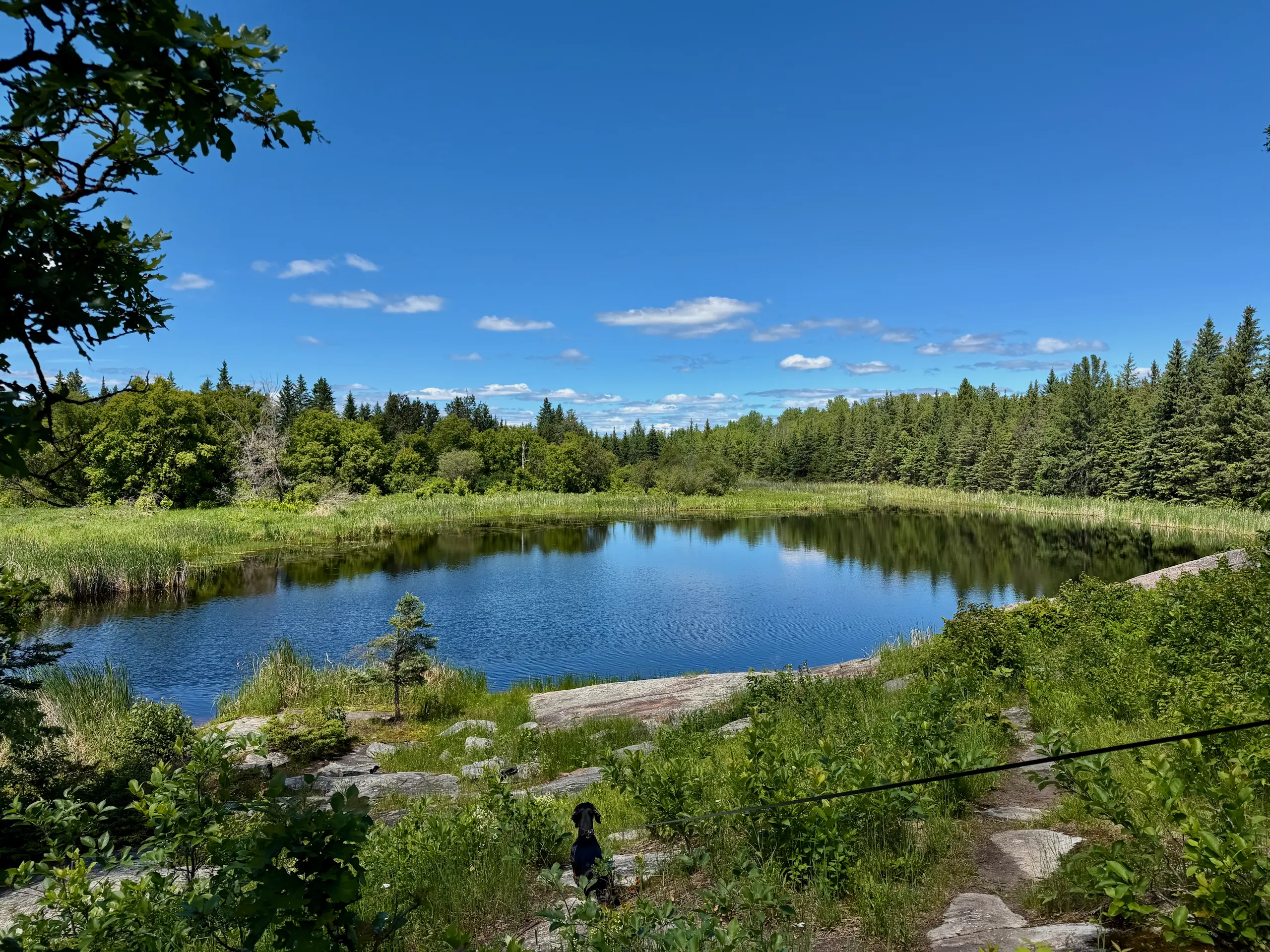
This is a topic close to us, since we travel with our dachshund Nika. So we’ll stress it separately:
- On a leash, always. An off-leash dog is the worst-case scenario: it can chase a bear, get scared, then bolt back straight to you — bringing the bear with it. Real reports include grizzlies showing persistent, dog-focused behaviour and closing to within a metre of a person with a dog.
- Your dog can trigger a defensive reaction. To a bear, a dog is a predator; even a small dachshund’s barking can turn a calm situation into a conflict.
- Where dogs aren’t allowed, there’s a reason. On some routes during seasonal restrictions dogs are banned (for example, beyond the Stewart Canyon Bridge at Lake Minnewanka), and pets aren’t allowed at all on the shuttles to the Columbia Icefield Skywalk or Moraine Lake.
- Sometimes it’s better to leave the dog. For demanding backcountry routes at the height of bear season, honestly weigh whether it’s safer to go without your four-legged friend this time — for their sake and yours.
If you do meet a bear
First, don’t panic: most encounters end without injury. After that, it depends on the situation:
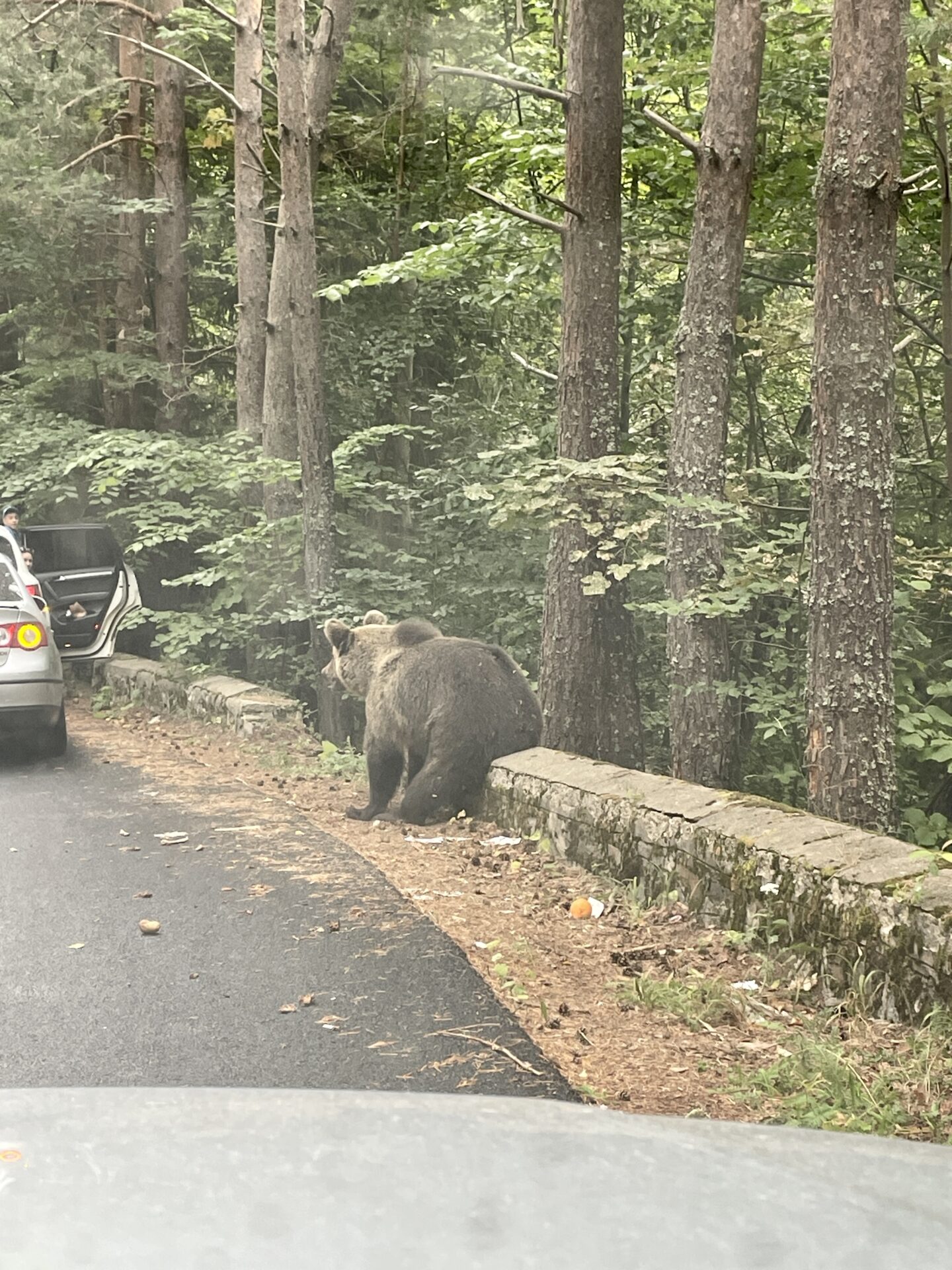
- The bear hasn’t noticed you — quietly retreat the way you came, without approaching or taking close-up photos.
- The bear has seen you — stay calm, speak to it in an even voice so it recognizes you as human, back away slowly without breaking eye contact, keep your spray ready. Never run — it can trigger a chase instinct. And don’t drop your pack — it protects your back.
- Defensive attack (the bear is surprised, or defending cubs or food — the most common type) — use your spray, and if contact happens, play dead: lie on your stomach, legs slightly apart, hands crossed behind your neck, pack left on. Stay still until the bear leaves; such attacks usually last under two minutes.
- Predatory attack (the bear stalks you along the trail, or attacks at night — rare, but the most dangerous) — do not play dead, fight back: spray, shout, try to escape to a car or building, and hit the muzzle with anything you have.
These are general guidelines, not a guarantee; always check the full, current protocol on the Parks Canada site. And remember: spray isn’t a “shield” but a last-second tool; real safety is not getting near a conflict in the first place.
How this applies to your itinerary
Almost our entire Banff route runs through bear country, so it’s worth checking the reports before each stop. Planning the Icefields Parkway? Its campgrounds (Rampart Creek, for one) periodically get bear restrictions. Walking the shore of Bow Lake or the tea-house trails at Lake Louise? Check the warnings too. Even quieter Emerald Lake in Yoho has seasonal measures to protect grizzlies. And if you’re based in wild country like the village of Waiparous, where grizzlies, black bears and cougars are a fact of life, spray and vigilance stop being a recommendation and become a must.
In short: a checklist
| Stage | What to do |
|---|---|
| The day before | Check the reports (The Banff Guide, Parks Canada, Alberta Parks) and any closures on your route |
| Gear | Bear spray on your hip + know how to use it; no earbuds |
| On the trail | Make noise, group of 4+, dog on leash, daylight, marked trail |
| Camp | Food and scented items in lockers or the car; clean camp |
| Encounter | Stay calm, don’t run, back away slowly, spray ready |
| Contact | Defensive attack — play dead; predatory/night — fight back |
Bears aren’t a reason to fear the Rockies — they’re a reason to respect them. A little preparation, a fresh report before you set out and spray on your hip, and you can safely enjoy one of the most beautiful wildernesses on the planet. Conditions change between reports, so always carry spray and read the signs at the trailhead.
Read next: our Winnipeg-to-Banff road trip, Peyto Lake and Lake Louise. For the latest advisories, follow The Banff Guide on Facebook.